
What Gauge is Best for Jumper Cables become your best friend. But have you ever wondered what gauge is best for jumper cables to get the job done quickly and safely?
Choosing the right gauge isn’t just about convenience—it can mean the difference between a smooth jumpstart and frustrating failure. You’ll discover how cable thickness affects power flow, which gauge suits your vehicle, and why picking the right cables protects both your battery and your safety.
Keep reading to make sure you’re fully prepared the next time your car needs a jump.
Jumper Cable Gauge Basics
Choosing the right gauge for jumper cables matters a lot. The gauge tells you how thick the wire is inside the cable. This thickness affects how much power the cable can safely carry.
Thicker wires carry power better and faster. This helps jump-start a car quickly and safely. Thin wires may not provide enough power and can overheat.
What Gauge Numbers Mean
Gauge numbers measure wire thickness. A lower number means a thicker wire. For example, 4-gauge wire is thicker than 10-gauge wire. Thicker wires handle more electrical current.
Common jumper cable gauges range from 4 to 16. For most cars, 6 or 8 gauge works well. Heavy trucks need thicker cables like 4-gauge.
Wire Thickness And Power Flow
Thicker wires have less resistance. Less resistance means power flows easily. This helps start a vehicle faster.
Thin wires may cause voltage drops. Voltage drops reduce power flow. This can make jump-starting slower or fail.
Choose a wire thickness that matches your vehicle size. Longer cables also need thicker wires to avoid power loss.
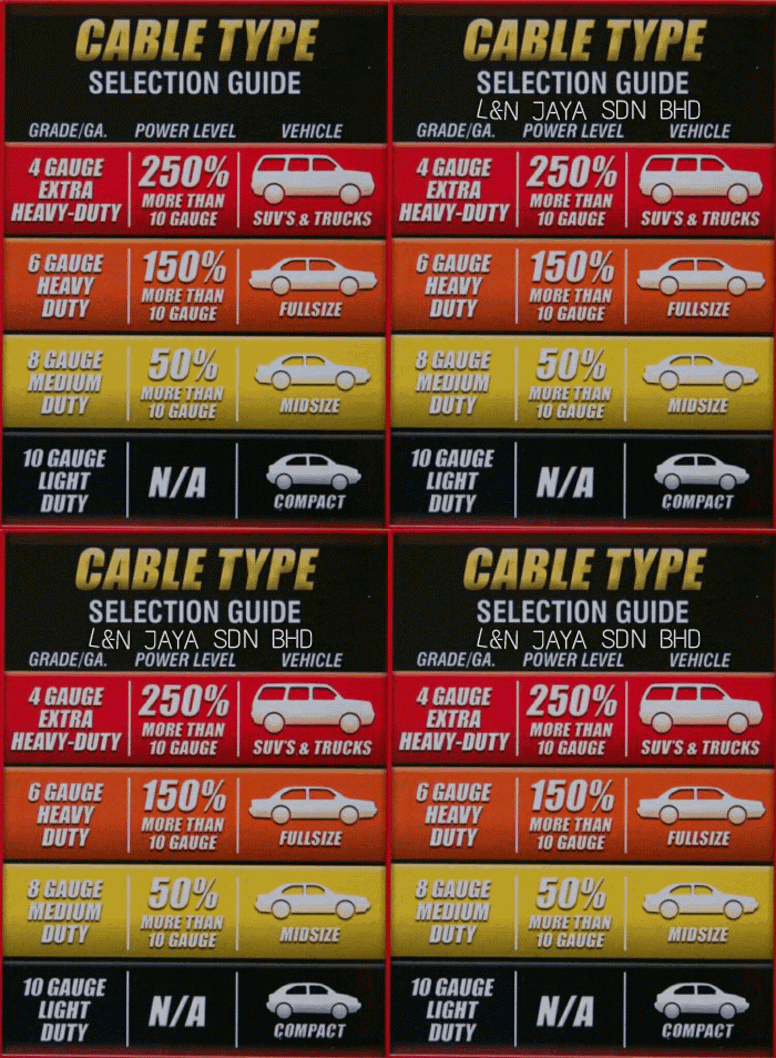
Gauge And Vehicle Compatibility
Choosing the right gauge for jumper cables depends largely on the vehicle you need to jump-start. The gauge number measures the thickness of the cable wire. A smaller gauge means a thicker wire, which can carry more electrical current. Thicker cables reduce the risk of voltage drop and heat buildup during use. Matching the gauge to your vehicle ensures safe and effective power transfer. Below is a guide to help select the best gauge based on vehicle type.
Small Cars And Light Vehicles
Small cars and light vehicles usually have smaller engines. A 10 or 12-gauge cable works well for these vehicles. These gauges provide enough power without being too bulky. They handle shorter jump-start distances easily. For compact cars, 12-gauge cables are lightweight and flexible. They offer good conductivity for quick starts.
Trucks And Heavy-duty Vehicles
Trucks and heavy-duty vehicles need thicker cables. A 4 or 6-gauge cable is best for these large engines. These gauges support the higher current flow needed to start big engines. They also resist heat better under heavy load. Using thinner cables on trucks can cause slow starts or cable damage. Thicker cables ensure safe and fast jump-starts for tough vehicles.
Special Applications
Some vehicles, like SUVs, RVs, or diesel engines, have unique power needs. For these, choose 2 or 4 gauge cables. Special applications may require longer cables too. Longer cables with a thicker gauge prevent power loss over distance. Marine or off-road vehicles also benefit from 2-gauge cables. They provide reliable power in demanding conditions.
Safety Factors In Gauge Selection
Choosing the right gauge for jumper cables is vital for safety. The gauge affects how well the cable handles electrical current. Using the wrong gauge can cause overheating or poor performance. Safety depends on understanding how gauge size controls current flow and heat. Also, proper connection techniques reduce risks of sparks or damage. This section explains key safety factors in gauge selection for jumper cables.
Current Capacity And Heat
Thicker cables have lower gauge numbers. They carry more current safely. Thin cables with high gauge numbers can overheat. Heat damages insulation and metal inside the cable. Overheated cables may cause burns or fires. Choose a gauge that matches your vehicle’s battery size. Heavy vehicles need lower gauge cables to handle high current. Always select cables that stay cool during use.
Avoiding Voltage Drop
Voltage drop lowers the power reaching the dead battery. Thin cables cause more voltage drop over distance. This makes jump-starting slower or impossible. Thicker cables reduce voltage drop and deliver power faster. Long cables need lower-gauge wires to keep voltage steady. Avoid using thin cables for trucks or large engines. Proper gauge ensures enough power moves from one battery to another.
Proper Connection Practices
Correct cable gauge alone is not enough for safety. Clean and tight connections prevent sparks and shorts. Attach cables to battery terminals firmly. Avoid touching clamps together during use. Inspect cables for cuts or damage before use. Replace cables with worn or exposed wires immediately. Good connection habits protect you and your vehicle during jump-starts.
:max_bytes(150000):strip_icc()/1214cables1-3827dd0605314d4aaa6f025aaef3f353.jpg)
Material Choices: Copper vs. CCA
Choosing the right material for jumper cables affects their performance. Copper and Copper-Clad Aluminum (CCA) are common choices. Each has unique properties influencing conductivity, durability, and cost. Understanding these differences helps pick the best option for reliable jump starts.
Conductivity Differences
Copper offers excellent electrical conductivity. It allows current to flow smoothly with minimal resistance. CCA has lower conductivity because aluminum resists electricity more than copper. This means copper cables transfer power faster and more efficiently. For quick and strong jumps, copper is the better choice.
Durability And Reliability
Copper cables resist corrosion and last longer. They stay flexible even in cold weather. CCA cables are lighter but can break more easily over time. Aluminum inside CCA wires corrodes faster when exposed to moisture. This reduces cable lifespan and reliability. Copper cables provide consistent performance and endure rough use better.
Cost Considerations
CCA cables usually cost less than copper ones. This makes them attractive for budget buyers. However, a lower price means lower quality and shorter life. Copper cables cost more but save money in the long run. They avoid frequent replacements and failures. Spending a bit more on copper cables ensures better value.
Cable Length And Gauge Relationship
The relationship between cable length and gauge is crucial for jumper cables. It affects how much power flows through the cables and how well the jump start works. Longer cables face more resistance, which reduces the power transfer. This makes the choice of gauge even more important as the length increases.
Choosing the right balance between cable length and gauge ensures that your jumper cables deliver enough current without overheating or losing power. This balance also affects the cable’s flexibility and ease of use.
Longer Cables Need Thicker Wire
Longer jumper cables require thicker wire to reduce resistance. Resistance increases as cable length grows, which lowers the current flow. Thicker wires have less resistance and keep power strong over longer distances.
For cables over 12 feet, a lower gauge number (thicker wire) is best. This ensures the battery gets enough power to start the engine quickly. Thinner cables may not work well with longer lengths and can cause slow or failed starts.
Balancing Flexibility And Power
Thicker cables carry more power but are less flexible. Flexible cables are easier to handle, especially in tight spaces around the engine. However, very thin cables may not deliver enough current for a strong jump start.
Choose a gauge that balances these needs. For most users, 4 to 6 gauge cables work well for lengths up to 20 feet. They offer enough power while remaining flexible enough for easy use. This balance helps you jump-start your vehicle safely and efficiently.
Common Gauge Recommendations
Choosing the right gauge for jumper cables is vital for safe and efficient vehicle starting. The gauge number shows the thickness of the wire inside the cable. A lower gauge means a thicker wire that carries more current with less resistance. Picking the correct gauge depends on your vehicle type and the cable length. Below are common gauge recommendations to help guide your choice.
6-gauge Cables For Heavy Loads
6-gauge cables are thick and strong. They work best for large vehicles like trucks, SUVs, and heavy equipment. These cables handle high current without overheating. They provide quick and reliable power transfer. Use 6-gauge cables for engines with large batteries or diesel engines.
8-gauge For General Use
8-gauge jumper cables suit most cars and light trucks. They balance power capacity and flexibility. These cables are thick enough to jump start regular gasoline engines. 8-gauge cables are common for everyday use. They are easier to store and handle than 6-gauge cables.
10-gauge For Light Duty
10-gauge cables are thinner and lighter. They work well for small cars and motorcycles. These cables carry less current and suit short jump starts. 10-gauge cables are best for emergencies with small engines. Avoid using them for heavy or long-distance jumps.
Buying Tips For Jumper Cables
Choosing the right jumper cables requires attention to several key factors. Good quality cables ensure safety and reliable performance. Consider cable material, connectors, and how you will store the cables. These tips help you pick the best set for your needs.
Checking Cable Quality
Look for cables made with pure copper wire. Copper offers better power flow than copper-clad aluminum. Check the insulation for durability and flexibility. Thick insulation resists damage and weather effects. Avoid cables with thin or brittle coatings. The gauge number tells wire thickness. Lower gauge means thicker wire. Thicker wire carries more current safely and quickly.
Connector Types And Strength
Strong clamps ensure good contact with battery terminals. Choose clamps made from solid metal, like copper or steel. Check for a good spring tension to hold cables firmly. Insulated handles protect against electric shocks. Look for connectors that fit tightly without slipping. Poor connectors can cause sparks or fail to start the car.
Storage And Maintenance
Store jumper cables in a dry, cool place to avoid rust and damage. Use a cable bag or case to keep cables tidy. Avoid bending or twisting cables sharply. Clean connectors regularly to remove dirt and corrosion. Proper care extends cable life and keeps them ready for use. Check cables before each use for wear or damage.
Troubleshooting And Usage Tips
Understanding how to troubleshoot and properly use jumper cables ensures safe and effective jumpstarting. Using the right gauge cable matters most. Too thin cables struggle to deliver enough power. This section explains key signs of inadequate gauge and offers practical jumpstarting steps. Learn how to avoid common mistakes that can cause damage or failure.
Signs Of Inadequate Gauge
Thin cables cause slow or weak jumpstarts. The engine may crank slowly or not start at all. Cables may feel warm or hot to touch. Voltage drops occur due to high resistance in thin wires. Sparks or flickering lights can indicate poor power flow. If cables are difficult to clamp firmly, gauge might be too small. Using cables thinner than recommended can damage vehicle electronics.
Proper Jumpstarting Steps
Park the vehicles close but do not let them touch. Turn off both engines and all accessories. Attach one red clamp to the dead battery’s positive terminal. Connect the other red clamp to the live battery’s positive terminal. Attach one black clamp to the live battery’s negative terminal. Connect the last black clamp to a metal ground on the dead car, away from the battery. Start the working car and let it run for a few minutes. Try starting the dead car. Remove clamps in reverse order after the car starts.
Avoiding Common Mistakes
Never use cables with damaged insulation or exposed wires. Avoid reversing the polarity; it can cause sparks or damage. Do not connect clamps to moving parts. Do not let clamps touch each other during use. Always use cables of adequate gauge for your vehicle size. Keep cables clean and dry for better connection. Avoid jumpstarting if the battery is cracked or leaking. Follow safety instructions carefully to prevent injury and damage.

Frequently Asked Questions
What Gauge Jumper Cables Should You Buy?
Buy jumper cables with a lower gauge number for thicker wires. Choose 4 to 6 gauge for most vehicles. Thicker cables transfer power faster and handle higher current safely. Avoid copper-clad aluminum; pure copper offers better conductivity and reliability. Match cable length to your needs for optimal performance.
Should I Get 8 Or 10 Gauge Jumper Cables?
Choose 8-gauge cables for faster power transfer and heavy-duty vehicles. Use 10-gauge for smaller cars or short jumps. Thicker cables deliver better current safely.
Are Thicker Jumper Cables Better?
Thicker jumper cables have lower gauge numbers, allowing faster and safer power transfer. Choose thickness based on vehicle size and cable length for best results.
Is 2 Awg Good For Battery Cables?
2 AWG is good for battery cables in short to medium lengths with high current demands. It offers low resistance and efficient power transfer. Ensure cable length and load match to avoid voltage drop. Use pure copper for best conductivity and durability in automotive or heavy-duty applications.
Conclusion
Choosing the right gauge for jumper cables is essential for safe and quick starts. Thicker cables with lower gauge numbers carry more current and work better for larger vehicles. For small cars, 10 to 12 gauge cables usually suffice. Always consider cable length and vehicle size when picking a gauge.
Using the correct gauge helps avoid damage and ensures reliable power transfer. Keep your jumper cables ready and matched to your needs for the best results. Safe and effective jump-starts depend on choosing the right gauge.
One Response