
What is The Best Gauge For jumper cables can save your day. But not all jumper cables are created equal. If you’ve ever stood in an auto parts store, staring at different cable packages, you’ve seen numbers like 2, 4, 6, 8, and 10 gauge. And you might have wondered: what gauge is best for jumper cables? This question matters more than many people realize. The gauge you pick can affect whether your car starts quickly, or if you end up frustrated with melted wires or no power at all.
The right gauge makes a huge difference, especially in emergencies. Some cables work well for small cars but fail with trucks or SUVs. Others might be too heavy, expensive, or hard to use. This article breaks down everything you need to know, so you can choose the best gauge for your needs, budget, and safety.
By the end, you’ll have the confidence to buy the right jumper cables—and know why they work.
What Does Cable Gauge Mean?
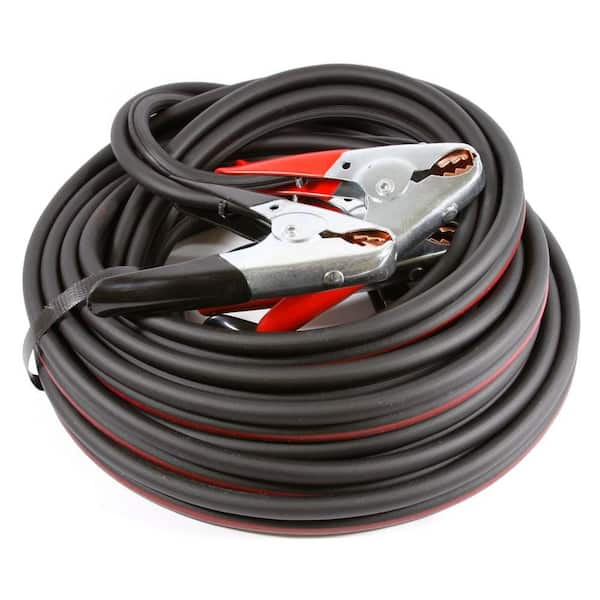
Cable gauge refers to the thickness of the wire inside the jumper cables. The lower the number, the thicker the wire. For example, 2-gauge cables are much thicker (and can carry more current) than 10-gauge cables. This number is based on a standard called the American Wire Gauge (AWG).
Thicker cables allow more electricity to flow. This matters because your car’s starter motor needs a strong burst of power to turn the engine. If the cables are too thin, they can’t deliver enough current. This can cause slow cranking, or the cables could even overheat.
A simple way to remember: lower gauge = thicker wire = more power.
Common Jumper Cable Gauges Explained
Jumper cables usually come in these gauges: 2, 4, 6, 8, and 10. Let’s look at what each means in real-world use.
2-gauge
These are thick, heavy-duty cables. They are great for large vehicles or situations where you need fast, reliable power. Many professional tow trucks and roadside assistance services use 2-gauge cables. They work well in cold weather and for starting trucks, SUVs, or diesel engines.
4-gauge
This is a good all-around choice for most drivers. 4-gauge cables are thick enough to start most cars, SUVs, and light trucks. They’re easier to handle than 2-gauge but still carry plenty of current. If you want something powerful but not too heavy or expensive, 4-gauge is a smart pick.
6-gauge
You’ll find 6-gauge cables in many auto stores. They’re usually fine for small to midsize cars. However, if you drive a larger vehicle or often deal with cold weather, 6-gauge might struggle. They’re lighter and cheaper but can overheat if pushed too hard.
8-gauge
These are entry-level cables, often sold in budget kits. 8-gauge can sometimes work for small cars with small engines. However, they often fail to deliver enough power for reliable starts, especially for anything larger than a compact car.
10-gauge
The thinnest commonly sold cables. 10-gauge is rarely recommended for jumper cables. They may not carry enough current to start most cars, especially if the battery is very dead or the weather is cold. There’s also a higher risk of overheating.
Why Gauge Size Matters For Jump Starting
You may wonder, “Why not just buy the cheapest cable?” The answer is simple: not enough power can mean your car still won’t start. Or worse, you could damage your car’s electrical system, the cables, or even start a fire.
Let’s break down why gauge size is so important:
- Current Capacity: Thicker cables can safely carry more electricity. This is critical for starting engines, which require high current for a few seconds.
- Voltage Drop: Thin cables lose more voltage as electricity travels. Too much voltage drop, and the starter motor may not turn.
- Heat Buildup: Thin cables can overheat, melt insulation, or cause burns if they’re forced to carry more current than they’re made for.
- Battery and Engine Types: Larger engines (especially diesels) need more current. So do cars with big batteries or in cold weather.
Choosing the right gauge means your jumper cables will work quickly, safely, and reliably.
Choosing The Best Gauge For Jumper Cables
So, what gauge is best? The answer depends on your car, your climate, and how you’ll use the cables. Let’s look at the main factors:
1. Your Vehicle Type
- Small cars (compact, subcompact, hybrids): 6-gauge may be enough, but 4-gauge is safer.
- Midsize cars, crossovers, small SUVs: 4-gauge is a strong choice.
- Large SUVs, trucks, vans, diesels: Go for 2-gauge. These vehicles need more starting power.
2. Climate
- Cold weather: Engines are harder to turn, and batteries are weaker. Always go for a thicker cable (4-gauge or 2-gauge).
- Mild/warm climates: You may get by with 6-gauge if your car is small.
3. Cable Length
Longer cables lose more power. If you buy long cables (20 feet or more), you’ll need a thicker gauge to make up for voltage loss.
4. Frequency Of Use
- Frequent use (fleet, roadside, work truck): Invest in 2-gauge for speed and reliability.
- Occasional emergency use: 4-gauge is a good mix of power and convenience.
5. Budget And Portability
Thicker cables cost more and are heavier. If your budget is tight, 6-gauge is better than nothing—but understand the limits.

Real-world Comparison: Gauge Vs. Performance
Here’s a side-by-side look at how different gauges perform in common situations:
| Gauge | Best For | Engine Size | Usability | Safety |
|---|---|---|---|---|
| 2 | Trucks, SUVs, diesels, cold weather | Large (3.0L+) | Heavy, less portable | Excellent |
| 4 | Most cars, small trucks, SUVs | Medium (2.0–3.0L) | Good balance | Very good |
| 6 | Small cars only | Small (<2.0L) | Very portable | Fair |
| 8 | Rarely recommended | Tiny engines | Very light | Poor |
| 10 | Not recommended | Not safe | Very light | Unsafe |
This comparison shows why most experts recommend 4-gauge or 2-gauge. They give you the best chance to start your car, even in tough conditions.
Key Features To Look For (beyond Gauge)
Gauge is only one part of choosing good jumper cables. Here are other important features:
Length
Most cables are 10 to 20 feet. Longer is better—sometimes cars can’t park nose-to-nose. But longer cables need to be thicker to avoid voltage loss.
Clamp Quality
Cheap clamps can break, slip off, or fail to make a solid connection. Look for strong, copper-plated clamps with good spring tension.
Insulation
Thick, flexible insulation protects you from shocks and prevents the wires from shorting out. Good cables remain flexible even in freezing weather.
Pure Copper Vs. Copper-clad Aluminum
Pure copper cables carry more current and last longer. Some budget cables use aluminum with a copper coating (copper-clad aluminum). They are cheaper but less effective, especially in cold weather.
Storage Case
A case keeps cables organized and protected. It also makes them easier to store in your trunk.
How To Use Jumper Cables Safely
Even the best cables can be dangerous if used incorrectly. Here’s a quick refresher on safe use:
- Turn off both cars and make sure they’re in park (automatic) or neutral (manual).
- Connect the red (positive) clamp to the dead battery’s positive terminal.
- Connect the other red clamp to the donor battery’s positive terminal.
- Connect the black (negative) clamp to the donor battery’s negative terminal.
- Connect the last black clamp to an unpainted metal surface on the dead car (away from the battery). This grounds the circuit and reduces the risk of sparks.
- Start the donor car and let it run for a minute or two.
- Try starting the dead car. If it works, remove the cables in reverse order.
- Drive the revived car for at least 15-20 minutes to recharge the battery.
Never let the clamps touch each other while connected to a battery.
Common Mistakes When Choosing Jumper Cables
Many people make simple mistakes that cost them time, money, or safety. Watch out for these pitfalls:
- Buying the cheapest cables: Super-thin, low-quality cables often fail when you need them most.
- Ignoring gauge size: Don’t assume all cables are the same. Always check the gauge.
- Choosing too short cables: Ten feet may not be long enough if cars can’t park close.
- Forgetting about insulation: Thin, stiff insulation cracks in cold weather and exposes wires.
- Not checking clamp quality: Poor clamps can slip off or break, making cables useless.
Pros And Cons Of Popular Gauge Sizes
Let’s look at the real advantages and disadvantages of each common gauge:
2-gauge
Pros:
- Delivers maximum current
- Works for all vehicles, including large trucks
- Reliable in cold weather
Cons:
- Heavy and less flexible
- More expensive
- May be overkill for small cars
4-gauge
Pros:
- Great balance of power and portability
- Suitable for most cars and SUVs
- Easy to handle and store
Cons:
- Slightly more expensive than thinner cables
- May not be enough for very large engines in extreme cold
6-gauge
Pros:
- Light and compact
- Affordable
Cons:
- Limited to small cars
- Struggles in cold weather or with larger engines
8- And 10-gauge
Pros:
- Very light, easy to carry
Cons:
- Often can’t start most cars
- Risk of overheating and melting
- Not recommended except for emergencies with small engines
What Gauge Do Experts Recommend?
Most automotive experts and roadside assistance organizations recommend 4-gauge jumper cables for most drivers. They offer the best mix of power, safety, and convenience. If you drive a truck, SUV, or often travel in cold weather, 2-gauge is even better.
A good rule: Buy the thickest cables your budget and storage allow. It’s better to have more power than you need than not enough.
How Gauge Affects Jump Starting In Real Situations
Imagine it’s a freezing morning. Your SUV won’t start. You pull out thin, 8-gauge cables. You connect everything, turn the key—nothing. The cables get hot, but your engine doesn’t crank.
Now, picture the same scene, but you use 2-gauge cables. The engine turns over on the first try. That’s the real impact of picking the right gauge.
Another example: A friend has a small sedan. You use 6-gauge cables, and the car starts after a few tries. But in winter, or if the battery is very flat, even 6-gauge might not work.
How Cable Gauge Affects Durability
Thicker cables are not only better for power, but also last longer. Thin cables can break, the insulation can crack, and the clamps can fail. High-quality, low-gauge cables are an investment—you may never need to replace them.
Comparing Popular Jumper Cable Sets
Here’s a real-world look at how different gauge cables compare in the market:
| Gauge | Length | Material | Typical Price | Best Use |
|---|---|---|---|---|
| 2 | 20 ft | Pure copper | $40–$80 | Heavy-duty/Professional |
| 4 | 16 ft | Copper-clad | $25–$50 | General use |
| 6 | 12 ft | Copper-clad | $15–$30 | Compact cars |
| 8 | 10 ft | Aluminum | $10–$20 | Emergency only |
The price difference is small compared to the risk and inconvenience of weak cables.
Non-obvious Insights Most Buyers Miss
Many buyers overlook two key points:
- Gauge is not the only factor—cable material and clamp quality matter too. Some 4-gauge cables use copper-clad aluminum, which performs worse than pure copper. Always check the packaging.
- Longer cables require a thicker gauge. If you buy 20-foot cables, go for 2- or 4-gauge. Thin, long cables lose too much power.
:max_bytes(150000):strip_icc()/1214cables1-3827dd0605314d4aaa6f025aaef3f353.jpg)
Should You Buy Heavy-duty Cables If You Drive A Small Car?
You might think, “I only have a small car. Why spend more on thick cables?” The answer: You may need to help jump larger vehicles, like a friend’s truck or an SUV. Or, your small car may need more power in very cold weather or if the battery is totally dead. Having a thicker cable gives you more options and peace of mind.
What About Portable Jump Starters?
Portable jump starters are popular, but they’re not a replacement for good cables. They work well for quick starts, but they can run out of charge. If you want maximum reliability, keep both a jump starter and a set of thick cables in your car.
How To Store Jumper Cables For Maximum Life
Proper storage extends the life of your cables:
- Coil them loosely, don’t bend sharply
- Keep them in a case or bag
- Store in your trunk, not under the hood
- Avoid leaving them in direct sunlight or wet areas
This prevents cracks, rust, and damage.
Environmental Impact Of Jumper Cable Materials
Pure copper is more expensive, but it’s also more recyclable and eco-friendly than copper-clad aluminum or pure aluminum. When old cables wear out, recycling copper wires is better for the environment.
Final Recommendations: The Best Gauge For Jumper Cables
For most drivers, 4-gauge jumper cables are the best choice. They balance power, safety, and portability. If you drive a large vehicle or live in cold climates, 2-gauge is even better. Avoid 8- and 10-gauge cables unless you have no other option.
Investing in quality, low-gauge cables means you’ll be ready for any emergency—whether helping yourself or someone else. It’s a small price for peace of mind on the road.
If you want to read more technical details about wire gauge standards, the American Wire Gauge (AWG) page is a helpful resource.
Frequently Asked Questions
What Happens If I Use Jumper Cables That Are Too Thin?
Using thin jumper cables (like 8- or 10-gauge) means less current can reach your battery. Your car may not start, especially in cold weather or if you have a large engine. The cables can also overheat, melt, or even cause sparks and burns.
How Long Should My Jumper Cables Be?
16 to 20 feet is ideal for most situations. This length lets you connect cars even if they can’t park right next to each other. If you buy long cables, choose a thicker gauge (2 or 4) to avoid losing power.
Does The Clamp Material Matter?
Yes. Copper-plated clamps conduct electricity better and last longer than cheap steel or aluminum clamps. Good clamps also grip battery terminals tightly and are less likely to slip off.
Can Jumper Cables Damage My Car?
If used correctly and if you choose the right gauge, jumper cables are safe. Problems usually happen when people connect them wrong, use damaged cables, or use cables that are too thin for the car. Always follow the steps in your owner’s manual.
Are Portable Jump Starters Better Than Jumper Cables?
Portable jump starters are convenient, but they can run out of charge and may not be powerful enough for large engines. Jumper cables never run out of charge and work as long as you have another car to help. Having both is the best solution for emergencies.
Getting the best gauge for jumper cables means you’re prepared for almost any situation. Spend a little more on thick, high-quality cables, and you’ll thank yourself the next time you’re stranded with a dead battery.
One Response