
Car overheating is a common issue many drivers face. It can lead to serious engine damage if not addressed promptly.
When your car overheats, it means the engine is too hot. This can happen for several reasons, including low coolant levels, a faulty thermostat, or a broken radiator fan. Understanding why your car is overheating is crucial. It helps you take the right steps to fix it.
Addressing overheating issues early can save you from costly repairs. In this blog post, we will explore the common causes of car overheating and offer practical solutions. Let’s dive in and keep your engine cool and running smoothly.
Common Causes
Car overheating can be a stressful and inconvenient issue. Understanding the common causes can help you prevent it from happening. Let’s dive into some of the typical reasons why your car might overheat.
Coolant Issues
Coolant is crucial for your car’s cooling system. Low coolant levels can lead to overheating. Always check the coolant level regularly and top it up if needed.
Old or contaminated coolant can also be a problem. Ensure you flush and replace your coolant as per your car’s maintenance schedule.
Leaking coolant is a major cause of overheating. Look out for puddles under your car or a sweet smell from the engine.
Radiator Problems
The radiator is vital in cooling your engine. A clogged or dirty radiator can reduce its efficiency.
Check for debris blocking the airflow in front of the radiator. Regularly clean it to ensure it works properly.
If your radiator is leaking, it will not be able to cool the engine effectively. Inspect for leaks and get them repaired promptly.
Thermostat Malfunction
The thermostat regulates the flow of coolant. If it gets stuck in a closed position, it can cause your engine to overheat.
Signs of a faulty thermostat include your engine heating up quickly or fluctuating temperature readings. Replace the thermostat if it shows signs of failure.
Regular checks can save you from a sudden breakdown on a hot day.
Water Pump Failure
The water pump circulates coolant through the engine. If it fails, the coolant will not flow, leading to overheating.
Look out for whining noises or leaks near the water pump. These are signs it may need replacing.
Ignoring a failing water pump can cause significant damage to your engine. Act promptly to avoid costly repairs.
Have you ever experienced car overheating issues? What steps did you take to fix it? Share your experiences and tips in the comments below!
Symptoms Of Overheating
Car overheating can lead to serious engine damage. Recognizing the symptoms early can save you from costly repairs. Here are some key symptoms to watch for.
Dashboard Warning Lights
The dashboard warning light is often the first sign. The temperature gauge may rise. The warning light might turn on. These indicators are crucial. They signal a potential overheating issue.
Steam Or Smoke
Steam or smoke coming from under the hood is another sign. This usually means the engine is overheating. Pull over immediately. Check the engine. Let it cool down. Do not ignore this symptom.
Unusual Smells
An overheating engine can produce unusual smells. A sweet smell could indicate coolant leakage. A burnt smell might mean oil is overheating. These smells are warning signs. They need immediate attention.
Engine Performance Issues
Overheating can affect engine performance. The car may lose power. The engine might run roughly. It could stall unexpectedly. These issues point to overheating. Address them quickly to avoid further damage.
Immediate Actions
Car overheating can cause serious damage to the engine. Knowing what to do immediately can save your car. Here are some steps you should take right away.
Stop The Car
Find a safe place to pull over. Turn on your hazard lights. Safety first.
Turn Off The Engine
Turn off the engine as soon as possible. This helps to prevent further damage. Keep the key in the off position.
Check Coolant Levels
Wait for the engine to cool down before opening the hood. Check the coolant reservoir. If the level is low, add coolant. Use a 50/50 mix of coolant and water.
Allow The Engine To Cool
Let the engine cool for at least 15-30 minutes. Do not touch anything hot. Once cooled, you can inspect for leaks or other issues.

Credit: www.pandahub.com
Diagnosing The Problem
Car overheating is a common issue that can cause serious damage. Understanding the root of the problem is crucial. Diagnosing the problem involves inspecting various components of your car’s cooling system. Knowing what to look for can help you identify the issue quickly.
Inspecting The Radiator
The radiator is key in keeping your engine cool. Start by checking for any visible debris or dirt. This can block airflow and cause overheating. Ensure the radiator cap is secure and not damaged. A loose or broken cap can lead to coolant loss and overheating. Look for any signs of rust or corrosion. These can indicate leaks or blockages.
Checking The Thermostat
The thermostat regulates your engine’s temperature. A faulty thermostat can cause overheating. Check if the thermostat is opening and closing properly. If it stays closed, it can prevent coolant from flowing. This will cause the engine to overheat. Replace the thermostat if it shows signs of malfunction.
Examining The Water Pump
The water pump circulates coolant throughout the engine. A malfunctioning pump can lead to overheating. Listen for any unusual noises coming from the pump. These could signal a problem. Check for coolant leaks around the pump. A leaking pump needs immediate replacement.
Looking For Leaks
Coolant leaks can cause your car to overheat. Inspect hoses and connections for any signs of leaks. Look under your car for any puddles of coolant. Check the coolant level in the reservoir. A low level can indicate a leak. Fix any leaks promptly to prevent further damage.
Repair Solutions
When your car overheats, it’s not just an inconvenience; it’s a serious problem that can lead to expensive repairs if not addressed promptly. Fortunately, there are several repair solutions that can bring your vehicle back to its optimal performance. Let’s dive into some of the most effective repair solutions for an overheating car.
Replacing The Thermostat
The thermostat regulates the flow of coolant to the engine. If it gets stuck, your engine may overheat. Replacing a faulty thermostat is relatively inexpensive and can often be done in a few hours. You may notice your temperature gauge rising quickly or fluctuating. These are signs that your thermostat could be the culprit.
Repairing Or Replacing The Radiator
The radiator plays a crucial role in cooling your engine. Over time, it can become clogged or start leaking. This severely hampers its efficiency. A professional mechanic can inspect the radiator to determine whether it needs a repair or a complete replacement. Keeping your radiator in good condition ensures your engine runs smoothly and stays cool.
Fixing Coolant Leaks
Coolant leaks can happen anywhere in the cooling system. From the hoses to the water pump, leaks can cause your engine to overheat. You might see puddles of coolant under your car or notice a sweet smell. Fixing leaks usually involves replacing the damaged part and is essential for maintaining the cooling system’s integrity.
Servicing The Water Pump
The water pump circulates coolant throughout the engine. If it fails, the coolant doesn’t flow, leading to overheating. Signs of a failing water pump include a whining noise or coolant leaking from the front of your car. Regular servicing and timely replacement of the water pump can prevent this issue.
Have you experienced car overheating? What solution worked best for you? Share your thoughts and keep your car running cool and smooth!
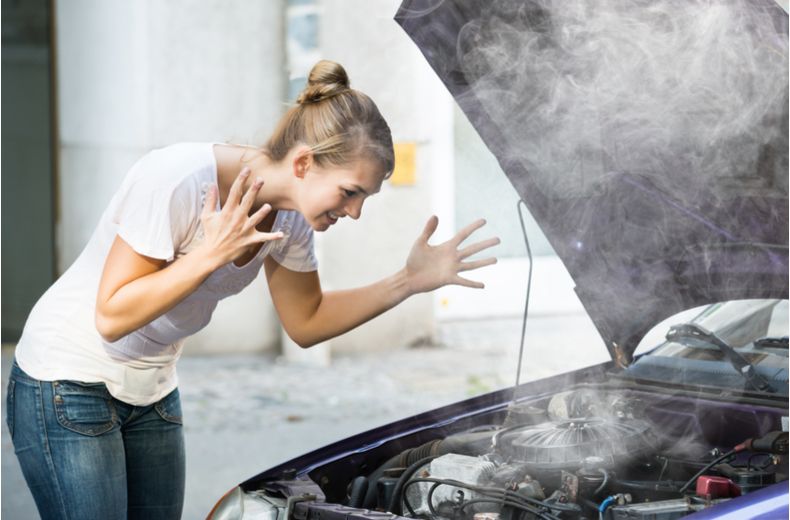
Credit: www.rac.co.uk
Preventive Maintenance
Car overheating can cause major problems. Preventive maintenance helps avoid these issues. By taking simple steps, you can keep your engine cool. Let’s explore key maintenance tasks.
Regular Coolant Checks
Coolant is essential for your engine. Check the coolant level often. Low coolant can lead to overheating. Make sure to use the right type of coolant. Refer to your car’s manual for guidance.
Radiator Cleaning
The radiator helps remove heat from the engine. A clean radiator works better. Dirt and debris can block airflow. Clean the radiator fins with a soft brush. Also, check for leaks or damage.
Thermostat Testing
The thermostat controls the flow of coolant. If it fails, the engine can overheat. Test the thermostat regularly. Replace it if it doesn’t open and close properly. This simple step can save your engine.
Routine Inspections
Regular inspections help catch problems early. Check hoses and belts for wear. Look for leaks around the engine. Ensure the fan is working well. Address small issues before they become big problems.
Professional Assistance
Car overheating can feel like a nightmare. Suddenly, you’re stranded with steam billowing from under the hood. While some minor fixes can be handled on your own, there are times when professional assistance is essential. Let’s delve into when and how you should seek expert help.
When To See A Mechanic
If you notice your car overheating frequently, it’s a clear sign to see a mechanic. Persistent issues often point to underlying problems that need professional attention. Waiting too long can lead to severe damage.
Unusual noises, such as hissing or knocking, can also indicate serious issues. A professional can diagnose these sounds accurately. Don’t ignore them—they might be symptoms of a bigger problem.
Choosing A Reliable Service
Not all mechanics are created equal. Look for reviews and ask for recommendations. A trustworthy mechanic will have a good reputation in your community.
Check if they specialize in your car’s make and model. Specialized knowledge can make a significant difference in the quality of service you receive.
Cost Considerations
Repair costs can vary widely. Get a detailed estimate before any work begins. This helps you understand what you’re paying for and avoids any surprise charges.
Don’t always go for the cheapest option. Sometimes spending a bit more ensures that the job is done right the first time, saving you money in the long run.
Warranty And Guarantees
Always ask about warranties and guarantees. Reliable services usually offer them as a sign of their confidence in their work.
Understanding the terms of the warranty can save you headaches later. Know what is covered and for how long. This can be crucial if something goes wrong after the repair.
Have you ever had an experience where professional help saved your car from further damage? Share your stories and tips in the comments below. Your insights could help others make better decisions.
Long-term Prevention Tips
Car overheating can cause serious damage to your vehicle. Preventing this issue requires regular attention and maintenance. Here are some essential long-term prevention tips to keep your car running smoothly.
Regular Vehicle Maintenance
Regular maintenance is key to preventing overheating. Follow your car’s service schedule closely. Check the coolant levels and inspect the radiator and hoses for leaks. Replace worn-out parts promptly. Keep the cooling system clean and free from debris.
Proper Driving Habits
Your driving habits affect your car’s temperature. Avoid excessive idling. Drive at a steady pace. Avoid sudden acceleration and braking. Give your car a break during long drives. These habits reduce the strain on your engine, helping it stay cool.
Monitoring Engine Temperature
Keep an eye on your car’s temperature gauge. If it rises, pull over and let the engine cool. Don’t ignore warning lights. Address any overheating signs immediately. This prevents further damage and keeps your engine healthy.
Using Quality Coolant
Use the right type of coolant for your car. Check the owner’s manual for recommendations. Quality coolant helps regulate engine temperature. It prevents rust and corrosion in the cooling system. Mixing it correctly with water is also important. This ensures optimal performance and longevity.
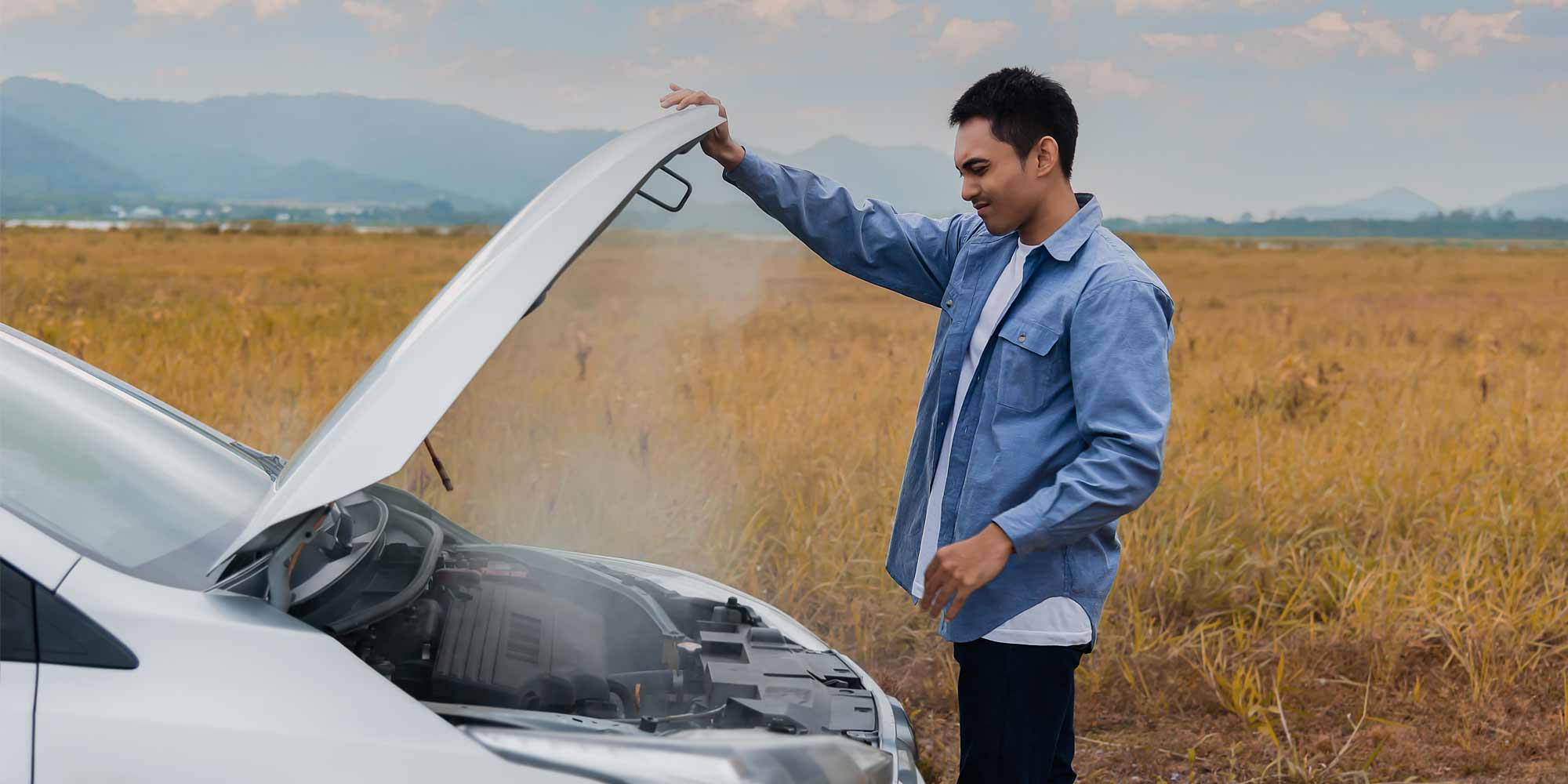
Credit: www.progressive.com
Frequently Asked Questions
How Do You Fix A Car That Overheats?
Check coolant levels and refill if low. Inspect radiator and hoses for leaks. Ensure the radiator fan works. Replace the thermostat if necessary. Contact a mechanic for further diagnosis.
Can I Drive With An Overheating Car?
No, do not drive with an overheating car. It can cause severe engine damage. Pull over and let it cool.
Why Is My Car Suddenly Overheating?
Your car might be overheating due to a faulty thermostat, low coolant levels, or a malfunctioning radiator fan. Check for leaks or blockages in the cooling system. Regular maintenance can prevent overheating issues.
How Do I Cool Down My Car From Overheating?
To cool down an overheating car, pull over safely and turn off the engine. Open the hood carefully. Let the engine cool for at least 30 minutes. Check coolant levels and add coolant if necessary. If the problem persists, call for roadside assistance.
Conclusion
Preventing car overheating is essential for smooth driving. Regular maintenance helps. Check coolant levels frequently. Keep an eye on the temperature gauge. Address issues immediately to avoid serious damage. Simple steps can save time and money. Stay vigilant and keep your car cool.
Safe travels depend on it.
5 Responses