
Have you noticed that your car shakes, pulls to one side, or makes weird noises when you drive? These could be signs of what causes car suspension problems.
Your suspension is very important for keeping your ride smooth, stable, and safe. But what makes problems with the suspension happen in the first place? Knowing what causes problems most of the time can help you find them early and save money on repairs later.
You’ll learn about the main causes of car suspension problems and how they affect how you drive. Read on to learn what could be damaging your suspension and how to fix it.
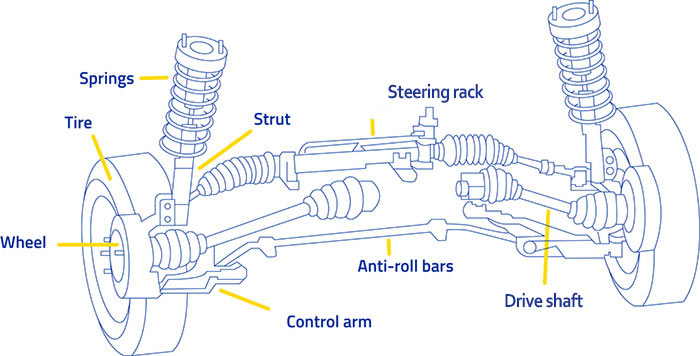
Problems with common suspension
Suspension systems in cars keep the ride smooth and safe. Issues with the suspension affect comfort and control. If you know about common suspension problems, you can spot trouble early. This saves money and keeps people from getting hurt. Here are some common problems that can lead to suspension failures.
Shocks and struts that are worn out
Struts and shocks take the bumps and keep the tires on the road. They wear out and stop working over time. Worn shocks make the car bounce, handle poorly, and take longer to stop. Signs of this problem are tires that wear unevenly and a rough ride. Putting in new ones brings back stability and comfort.
Springs that are broken
Springs hold up the weight of the car and soak up bumps in the road. Broken or sagging springs make the ride lower and cause the tires to touch unevenly. This makes it hard to handle and causes other parts to wear out faster. Springs that are broken make the car feel unstable and uncomfortable.
Leaking Air Suspension
Air suspension controls the height of the ride with air bags. Air pressure goes down when air bags or lines leak. This makes the car sag or lean to one side. You might hear hissing sounds or see that the ride height has gone down. Air leaks make the compressor work harder, which makes it fail sooner.
Wheels that aren’t lined up
Wheel alignment has an effect on how well you steer and how long your tires last. When things are out of alignment, they pull to one side and wear out unevenly. It puts more stress on the suspension parts and lowers fuel efficiency. Proper alignment makes it easier to drive and makes your tires last longer.
Bushings and ball joints that are worn out
Ball joints connect the suspension to the wheels, which lets them move. Bushings protect joints and cut down on vibration. When ball joints wear out, they make clunking noises and make it hard to steer. Bushings that are broken cause rides to shake and be rough. Changing these parts makes the ride safer and better.
Signs of problems with the suspension
Problems with the suspension change how your car drives and rides. Recognizing the symptoms early can help keep problems from getting worse. You might notice that your car drives or sounds different. These signs mean that your suspension system needs work.
Tires that wear out unevenly
Problems with the suspension can often cause tires to wear unevenly. One side of the tires may wear out faster. This happens because the suspension doesn’t keep the wheels in the right place. Uneven wear shortens the life of tires and makes them less safe.
Loud Ride
If your ride is loud, it could mean that your suspension is broken. You might hear clunks, rattles, or squeaks when you hit bumps. These noises are coming from suspension parts that are worn out or broken. Ignoring noises can cause more damage and repairs that cost a lot.
Bad Steering Response
Problems with the suspension can make the steering not work well. The steering may feel less tight or less accurate. Your steering inputs might not work well with your car. This makes it harder to steer and makes driving unsafe.
Car Pulling to One Side
If your car pulls to one side, the suspension might not be working right. This pull can happen when you’re driving straight or stopping. It means that the suspension is broken or uneven. Pulling makes tires wear out faster and makes driving unsafe.
Bouncing or moving around
If your car bounces or sways while you’re driving, it means the shocks or struts are worn out. After hitting bumps, the car might bounce too much. It can also move when you turn or change lanes. This makes the car less comfortable and less stable.
What Causes Suspension Failures
There are a few common reasons why suspension failures happen. These problems make it harder for your car to handle shocks and keep control. Knowing these reasons can help keep your car safe and make your ride smoother.
Driving Roughly and Hazards on the Road
Driving aggressively puts stress on the suspension system. Hard braking and quick acceleration cause more wear. Roads with trash or bumpy surfaces make things harder. This rough use wears down suspension parts over time.
Stops and turns that happen all of a sudden
Sudden changes in weight happen when you stop quickly. Hard turns put the suspension to the test. These things can break shocks and struts quickly. The outcome is diminished comfort and safety during the ride.
Hitting Potholes and Curbs
The suspension suddenly jolts when it hits a pothole. Hitting curbs can bend or break parts. These effects cause tires to wear unevenly and not line up properly. If you don’t fix the damage, the cost of repairs goes up.
Bad Road Care
Roads that aren’t well cared for always have bumps and cracks. Every day, this rough terrain puts stress on suspension parts. Driving on these kinds of roads makes systems break down faster. Regular maintenance won’t fix damage done by bad roads.
Wear and Tear on Parts Over Time
Parts of the suspension wear out naturally over time. Bushings, shocks, and springs don’t work as well. Rust and corrosion also make parts weaker. Regular checks find wear before it leads to failure.
Driving with bad suspension is dangerous.
Driving with bad suspension is dangerous and can make your car less safe. The suspension system keeps your car from bouncing around, absorbs bumps, and makes sure rides are smooth. Problems come up quickly when it doesn’t work. Knowing these risks helps you act quickly and keep things from getting worse.
More wear and tear on tires and parts
Uneven tire wear is caused by bad suspension. Tires lose grip and wear out more quickly. Bushings and ball joints, which are parts of the suspension, also wear out quickly. This means that repairs and replacements happen more often.
Less control over the vehicle
Problems with the suspension make it harder for your car to handle. The steering doesn’t work as well. The car might sway or bounce when you turn. This loss of control makes driving hard and hard to predict.
Risks to Safety
Driving with a broken suspension makes accidents more likely. Bad shock absorption makes it take longer to stop. On rough roads, the car can skid or lose its balance. Passengers may be uncomfortable and hurt.
Possibility of More Expensive Repairs
If you don’t deal with suspension problems, they will get worse. Worn parts put extra stress on other systems, like the brakes and steering. As damage spreads, repair costs go up. Fixing things early saves you money and keeps your car safe.
How to Fix Suspension Issues
The best way to fix suspension problems depends on what is wrong with your car. Correct repairs make driving safe and comfortable again. Fixing suspension problems early can stop more damage and expensive repairs from happening.
Over time, suspension parts wear out or get broken by bumpy roads. There are many ways to fix things, from simple replacements to more complicated mechanical changes. Here are some common fixes that will keep your suspension system in good shape.
Putting in new shocks and struts
Your car’s shocks and struts control how it bounces and handles. Worn shocks make your car less stable and make it take longer to stop. Replacing them makes the ride more comfortable and gives you more control over the car. Mechanics take off the old shocks and put on new ones that match your car model.
Fixing or replacing springs
Springs hold up the weight of the car and soak up bumps in the road. If the springs are broken or sagging, the ride height will be uneven and the handling will be bad. Fixing or replacing it brings the suspension height back to normal. Before deciding on the best fix, technicians check springs for cracks or wear.
How to Fix Air Suspension Leaks
Instead of regular springs, air suspension uses air bags. Air bags or lines that leak make the ride height low and make a hissing noise. To fix leaks, you need to patch or replace broken air bags and seal air lines. This keeps the air system working and at the right pressure.
Services for Aligning Wheels
When wheels aren’t aligned, tires wear unevenly and steering is bad. Alignment makes sure that the angles of the wheels are correct according to the manufacturer’s specifications. This fix makes the car easier to drive and makes the tires last longer. After suspension repairs or impacts, alignment checks are quick and necessary.
Changing Out Old Bushings and Ball Joints
Bushings and ball joints connect parts of the suspension and let them move smoothly. Worn parts make noise, shake, and make steering feel loose. Replacing these parts makes the suspension stable again and lessens wear on other parts. Mechanics check all of the joints to make sure they work safely.
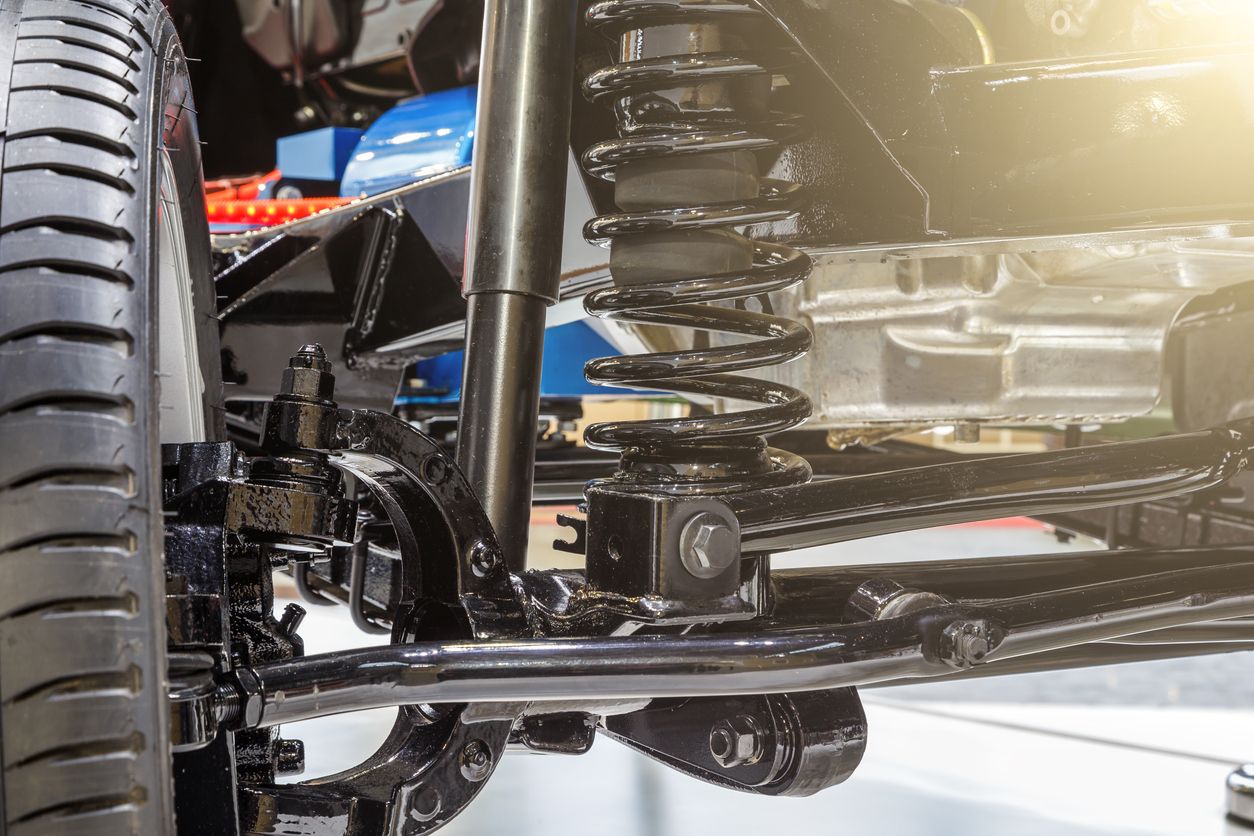
Tips for Preventive Maintenance
Regular maintenance is the first step to keeping your car’s suspension in good shape. Preventive maintenance keeps your ride smooth and helps you avoid expensive repairs. You can keep your suspension in good shape and avoid damage with these easy steps. Here are some important tips for keeping your car’s suspension system in good shape.
Inspections of Suspensions on a Regular Basis
Look at your suspension parts often. Check for shocks that are worn out, springs that are broken, or fluid that is leaking. Finding problems early stops them from getting worse. At least once a year, have a mechanic check your suspension.
Steering Clear of Bad Driving Habits
Go slowly over bumps and holes in the road. Don’t stop suddenly or turn sharply. Driving roughly makes suspension parts wear out quickly. Your suspension system will last longer if you drive smoothly.
Keeping the Right Tire Pressure
Make sure your tires are always at the right pressure. The suspension is stressed unevenly when the tire pressure is too low or too high. Check the pressure in your tires every month and before long trips. Keeping the right amount of air in your tires makes your suspension work better and keeps you safer.
Alignments of wheels on time
Make sure to align your wheels often. When wheels aren’t aligned, tires wear out unevenly and the suspension gets stressed. After hitting a curb or pothole, make sure your wheels are straight. Proper alignment makes your car drive straight and puts less stress on the suspension.
Taking care of problems early
Fix small problems with the suspension right away. Weird sounds or bumpy rides are signs of trouble. If you ignore problems, they can get worse and cost more to fix. Quick fixes make sure your car is safe and easy to drive.

Questions That Are Often Asked
What Makes a Car’s Suspension Break?
Worn shocks, broken springs, hitting potholes, bad alignment, and rough or careless driving can all cause car suspension to break down.
Can you still drive if your suspension is broken?
It is dangerous to drive with bad suspension because it can make you lose control. Only drive short distances and at low speeds. Fix the suspension right away to keep the car safe and avoid more damage.
Is it possible to fix suspension problems?
If the shocks, springs, or other parts of the suspension are worn out or broken, they can be fixed or replaced.
What is the most common problem with suspension systems?
Worn-out shocks or struts are the most common cause of suspension problems. They make the ride rough and make it hard to steer.
Final Thoughts
Bad roads and careless driving are two common causes of car suspension problems. Most problems are caused by worn shocks, broken springs, and wheels that aren’t lined up properly. These issues make your car harder to drive and wear out your tires faster. You can keep your ride smooth and safe by fixing the suspension early.
Regular checks find damage before it gets worse. Keep in mind that a healthy suspension makes driving more comfortable and easier to control. Taking care of it now will save you money and stress later. Be on the lookout for strange sounds or tires that wear out unevenly. Fix problems right away to make your car safer and more reliable.
One Response