
Squeaky brakes can be annoying and concerning. They might signal a problem with your car.
Understanding why brakes squeak is essential for every driver. Not only does it help in maintaining your vehicle, but it also ensures your safety on the road. There are many reasons behind those irritating sounds. Some of them are minor, while others may need immediate attention.
This blog post will explore the common causes of squeaky brakes. By the end, you’ll know what to look for and when to seek professional help. Stay tuned to keep your ride smooth and your mind at ease.

Credit: www.facebook.com
Common Causes Of Squeaky Brakes
Squeaky brakes can be annoying and concerning. Understanding the common causes can help you address the issue early. Here, we will explore some typical reasons why your brakes might be making noise.
Worn Brake Pads
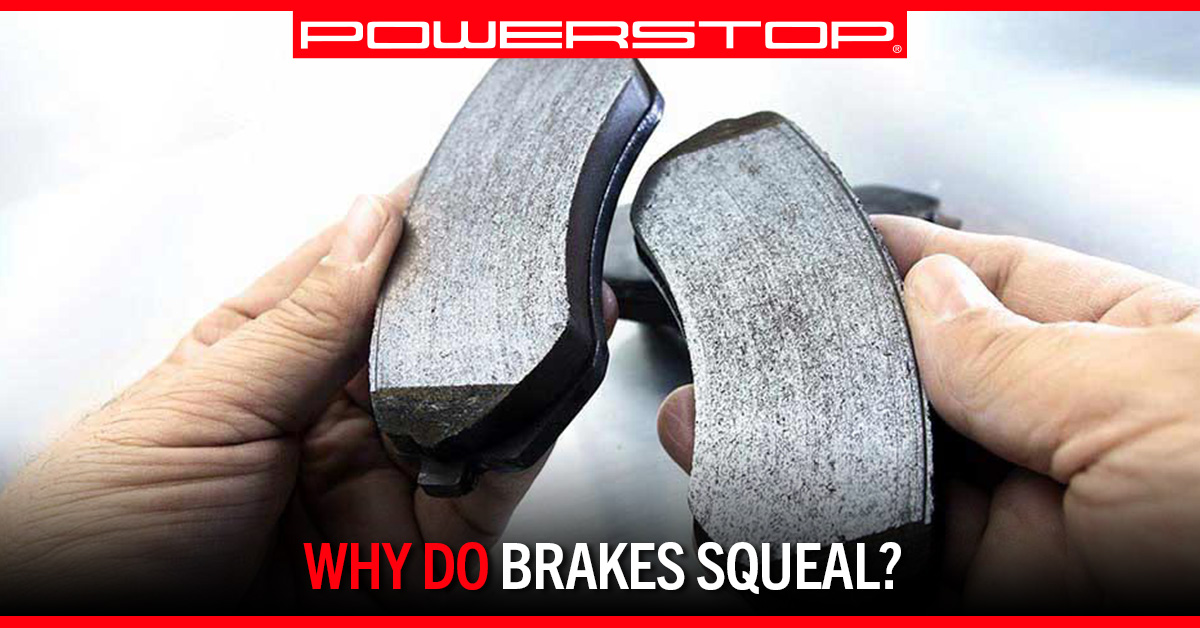
One of the most common causes of squeaky brakes is worn brake pads. When brake pads wear down, the metal underneath becomes exposed. This metal can then make contact with the brake rotor. This contact creates a high-pitched squeal. Regularly checking your brake pads can prevent this issue.
Moisture Buildup
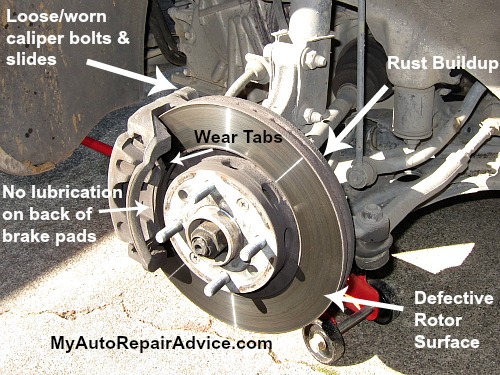
Moisture can also lead to squeaky brakes. Water from rain or car washes can accumulate on the brake rotors. When you apply the brakes, this moisture can cause a temporary squeal. This noise usually goes away after a few stops. Keeping your brakes dry can help avoid this problem.
Credit: www.myautorepairadvice.com
Environmental Factors
Squeaky brakes can be frustrating and annoying. Did you know that environmental factors can significantly impact your brakes? Understanding these factors can help you maintain your vehicle better.
Temperature Changes
Temperature changes can affect your brake pads. Extreme cold can make them hard and less effective. On the other hand, excessive heat can cause them to expand and wear out faster.
Have you ever noticed more squeaking during winter or summer? These temperature shifts can lead to noise due to the altered condition of the pads.
Regularly check your brakes during seasonal changes. Ensure they are in good condition to avoid any squeaky surprises.
Road Conditions
The type of roads you drive on can also impact your brakes. Dusty or muddy roads can cause debris to stick to your brake pads. This debris can lead to squeaking sounds.
Driving on gravel roads often? The tiny stones can get lodged in the brakes, causing noise and reducing efficiency.
Consider cleaning your brakes regularly if you frequently drive on such roads. This helps in removing any dirt or debris that might be causing the squeak.
How often do you inspect your brakes considering these environmental factors? A small change in routine can lead to quieter and more efficient brakes.
Brake Pad Material
Your car’s brakes are crucial for safety, and understanding the materials used in brake pads can help you identify why they might be squeaking. Brake pads are made from different materials, each with unique properties that affect performance, noise, and longevity.
Organic Brake Pads
Organic brake pads are made from natural materials like glass, rubber, and Kevlar. They are often quieter and softer, which can lead to a smoother braking experience. However, they can wear out faster, especially if you drive in mountainous areas or frequently brake hard.
I remember when I first switched to organic brake pads on my old sedan. The reduction in noise was noticeable, but I found myself replacing them more often. If you prioritize a quiet ride, organic pads might be the way to go. But be ready for more frequent maintenance.
Metallic Brake Pads
Metallic brake pads, on the other hand, are made from a blend of metals like iron, copper, steel, and graphite. They are more durable and provide better braking performance, especially under high-stress conditions. However, they can be noisier and may cause more wear on your brake rotors.
Switching to metallic brake pads on my SUV was a game-changer for long trips. The increased stopping power was evident, but the occasional squeak became part of the experience. If you drive in demanding conditions, the trade-off might be worth it for you.
Have you noticed any specific patterns with your brake noise? Understanding the materials can make a huge difference. What’s more important to you: a quieter ride or longer-lasting performance?
Installation Issues
Brakes play a critical role in vehicle safety. Squeaky brakes are annoying and can signal a problem. One common cause is installation issues. Proper installation ensures brakes function correctly. Improper installation leads to various problems, including squeaky brakes.
Improper Alignment
Improper alignment is a frequent installation issue. When brake components are not aligned, they can rub against each other. This friction creates squeaky noises. It also wears out the brake pads faster. Correct alignment ensures smooth operation.
Loose Components
Loose components are another cause of squeaky brakes. If any part is not securely fastened, it can cause vibrations. These vibrations lead to noise during braking. Tightening all components can solve this issue. Regular checks can prevent loose parts from causing problems.
Lack Of Lubrication
Lack of lubrication often causes squeaky brakes. Dry and unlubricated brake parts can produce annoying noises. Regular maintenance helps prevent this issue.
Have you ever heard that annoying squeal when you brake? It could be due to a lack of lubrication. Lubrication is vital to ensure that your braking system functions smoothly and quietly. When parts don’t move as they should, friction increases, leading to those bothersome squeaky sounds. Let’s dive into two common areas where a lack of lubrication can cause this problem.
Dry Caliper Pins
Caliper pins play a crucial role in the braking system. They allow the brake calipers to move freely, ensuring even pressure on the brake pads.
When these pins are dry, the calipers can’t slide smoothly. This results in uneven wear and that irritating squeak. Imagine trying to open a rusty door hinge—it’s the same principle.
Regularly lubricating the caliper pins can prevent this. It’s a simple task you can do during routine brake maintenance. Have you checked your caliper pins lately?
Dry Contact Points
Contact points are where the brake pads touch the calipers and other metal parts. These points need lubrication to minimize friction.
Without proper lubrication, the metal-on-metal contact creates noise. This can not only be annoying but also cause premature wear on your brake components.
Consider using a high-temperature brake lubricant on these contact points. It’s a small effort that goes a long way in ensuring your brakes work quietly and effectively. Have you ever faced squeaky brakes due to dry contact points?
Pay attention to these areas to keep your brakes functioning smoothly. A little lubrication can save you from a lot of noise and potential repair costs.
Glazed Brake Pads
Glazed brake pads can cause squeaky brakes, a common issue for many drivers. Glazing happens when brake pads overheat and develop a smooth, glassy surface. This reduces their ability to create friction and stop the vehicle effectively. Let’s explore some causes of glazed brake pads.
High-performance Driving
Driving at high speeds or aggressive driving can lead to glazed brake pads. High-performance driving generates excessive heat, causing the brake pads to glaze over. This glazing reduces the effectiveness of the brakes, leading to squeaky noises. Reducing aggressive driving can help prevent this issue.
Overheated Brakes
Brakes can overheat during heavy or prolonged braking. This overheating causes the brake pads to harden and become glazed. Overheated brakes often result from driving in mountainous areas or towing heavy loads. Ensuring your brakes cool down can help avoid glazing.
Worn Rotors
Worn rotors cause squeaky brakes by creating uneven surfaces. These rough spots lead to annoying noise when braking.
Worn rotors are a common cause of squeaky brakes. The rotors are the flat, round discs that your brake pads press against to slow down your car. Over time, these rotors can wear out. This wear can lead to noise and decreased braking efficiency.
Rotor Surface Condition
The surface of the rotors should be smooth. If it is rough or has grooves, it can cause squeaking. These imperfections can create vibrations. This vibration leads to noise.
Rotor Thickness
The thickness of the rotors is also important. If the rotors are too thin, they can warp. Warped rotors can cause the brakes to squeak. Thin rotors can also overheat. This overheating can reduce braking power.
Replacing worn rotors can solve the issue. Regular maintenance helps keep your brakes in good condition.
Credit: www.powerstop.com
Fixing Squeaky Brakes
Fixing squeaky brakes can seem like a daunting task, but it’s essential for your safety and peace of mind. Squeaky brakes can be an annoyance that you can’t ignore, especially when they make your daily drive less enjoyable. Fortunately, with the right approach, you can identify and fix the issue effectively.
Inspection And Diagnosis
The first step in fixing squeaky brakes is a thorough inspection. Look at your brake pads and rotors to see if they are worn out or damaged. Worn brake pads are a common cause of squeaky brakes.
Check if any debris is stuck between the brake components. Sometimes, small stones or dirt can cause squeaking. Ensure all parts are clean and free from debris.
Take a moment to listen to the type of noise. Is it a high-pitched squeak or a grinding sound? Different noises can indicate different problems. Identifying the sound can help you diagnose the issue accurately.
Replacement And Maintenance
If your brake pads are worn, it’s time to replace them. Ensure you choose high-quality brake pads for better performance and longevity. Don’t skimp on this vital component.
Regular maintenance is key to preventing squeaky brakes. Clean your brakes periodically to remove any dust or debris that might accumulate. Use a brake cleaner for best results.
Consider lubricating the contact points of the brake system. This can reduce friction and prevent squeaking. Use a high-temperature brake grease for optimal performance.
Have you ever had to deal with squeaky brakes? How did you fix them? Share your experiences in the comments below!
Frequently Asked Questions
How Do I Get My Brakes To Stop Squeaking?
Clean the brake pads and rotors to remove dirt. Lubricate brake components. Replace worn-out pads. Ensure proper installation and adjustment.
Why Do My Brakes Squeak But Pads Are Good?
Your brakes may squeak due to dust, rust, or lack of lubrication on the brake components. Check for debris and clean them.
Is It Ok To Drive With Squeaky Brakes?
Driving with squeaky brakes is not recommended. It can indicate worn brake pads or other issues. Get them checked soon.
What Can I Spray On My Brakes To Make Them Stop Squeaking?
Use a brake cleaner spray to stop squeaking brakes. Apply directly to the brake components for best results.
Conclusion
Squeaky brakes can be annoying. They often signal a problem needing attention. Regular maintenance can prevent brake issues. Check pads and rotors for wear. Keep your brake system clean. Address any noises immediately. This ensures safe driving and peace of mind.
A quiet ride is a safe ride. Don’t ignore those squeaks. Take care of your brakes and they will take care of you.
2 Responses