
Experiencing a shaking steering wheel at high speeds can be alarming. It’s a sign that something is not right with your car.
When your steering wheel starts to shake, it could be due to several reasons. It might be a minor issue, but it can also indicate a serious problem that needs immediate attention. Understanding the possible causes is crucial for your safety and vehicle’s health.
In this blog, we will explore the common reasons behind a shaking steering wheel when driving fast. We’ll help you identify potential issues and suggest steps to fix them. Keep reading to ensure a smooth and safe drive.
Credit: www.yourmechanic.com
Common Causes
Experiencing a shaking steering wheel at high speeds can be unsettling. Understanding the common causes can help you address the issue. Below, we explore some of the frequent reasons behind this problem.
One of the most common causes of steering wheel shaking is tire problems. Uneven tire wear can lead to vibrations, especially at high speeds. Make sure your tires are balanced. An unbalanced tire can cause the steering wheel to shake. Also, check for tire damage. A damaged tire can disrupt smooth driving. Regular tire inspection can prevent these issues.
Wheel alignment problems can also cause a shaking steering wheel. Misaligned wheels affect your car’s handling. This can cause vibrations. If your car pulls to one side, it might have alignment issues. Regular wheel alignment checks can help maintain a smooth drive. Misalignment can result from hitting a curb or pothole. Address these issues promptly to avoid bigger problems.
Tire Issues
Tire issues are a common cause of steering wheel shaking at high speeds. Several factors related to tires can lead to this problem. Ensuring your tires are in good condition is crucial for a smooth driving experience.
Uneven Tire Wear
Uneven tire wear can cause vibrations in the steering wheel. Tires wear out unevenly if not rotated regularly. This uneven wear can lead to imbalance and shaking. Regular tire rotation helps in maintaining even tire wear.
Tire Balancing
Tire balancing is essential for a smooth ride. If tires are not balanced, they can cause the steering wheel to shake. Balancing involves adjusting the weight distribution around the tire. This ensures even contact with the road.
Professionals use special equipment to balance tires. This process reduces vibrations and improves driving comfort. Make sure to balance your tires regularly to avoid steering wheel shaking.
Wheel Alignment Problems
Have you ever experienced your steering wheel shaking when driving at high speeds? This can be not only annoying but also dangerous. One common culprit is wheel alignment problems. When your wheels are not properly aligned, it can lead to a host of issues including that unsettling shake. Let’s dive into the details of how misalignment can cause this and what you can do about it.
Misalignment Indicators
How do you know if your wheels are misaligned? There are a few key indicators:
- Your car pulls to one side when driving straight.
- The steering wheel is off-center even when you’re driving straight.
- Uneven tire wear.
- Steering wheel vibration at high speeds.
These signs are your car’s way of telling you something is off. Ignoring them can lead to more severe problems down the road.
Alignment Solutions
So, what can you do if you suspect wheel alignment issues? Here are some actionable steps:
- Get a professional alignment check: Most auto repair shops offer alignment services. They use specialized equipment to measure and adjust the angles of your wheels.
- Regular maintenance: Schedule regular check-ups. It’s easier to fix minor alignment issues before they become major problems.
- Replace worn-out parts: Sometimes, misalignment is due to worn suspension parts. Replacing these can solve the issue.
Have you ever ignored an alignment issue only to face bigger problems later? It’s always better to address these signs early. Your car—and your safety—will thank you.
What other car issues have you faced that were easy fixes with regular maintenance? Share your stories below!
Credit: www.tiktok.com
Brake System Problems
One common cause of steering wheel shaking at high speeds is brake system problems. The brake system plays a crucial role in ensuring your vehicle runs smoothly and safely. When issues arise within this system, it can lead to noticeable vibrations and a shaky steering wheel.
Warped Rotors
Have you ever noticed your steering wheel shaking when you apply the brakes? Warped rotors could be the culprit. Rotors can become warped due to excessive heat from braking or uneven wear. This creates an uneven surface, causing vibrations when the brake pads make contact.
Regular maintenance can prevent this issue. Have your rotors inspected periodically and replaced if necessary. If you’ve experienced this problem, it’s a sign that your brake system needs attention.
Brake Pad Issues
Brake pad issues are another common reason for steering wheel shaking. Worn-out or uneven brake pads can cause irregular contact with the rotors. This leads to vibrations that you feel in the steering wheel.
Brake pads should be replaced regularly to avoid this problem. Pay attention to any squealing or grinding noises when braking. These sounds can indicate that your brake pads are worn and need replacement.
Have you checked your brake system lately? Addressing these issues can improve your driving experience and ensure your safety on the road.
Suspension System Faults
Experiencing steering wheel shaking at high speeds can be alarming. One common cause is faults in the suspension system. The suspension system connects your vehicle to its wheels and helps ensure smooth rides. Issues in this system can lead to noticeable vibrations, especially at higher speeds.
Worn Suspension Components
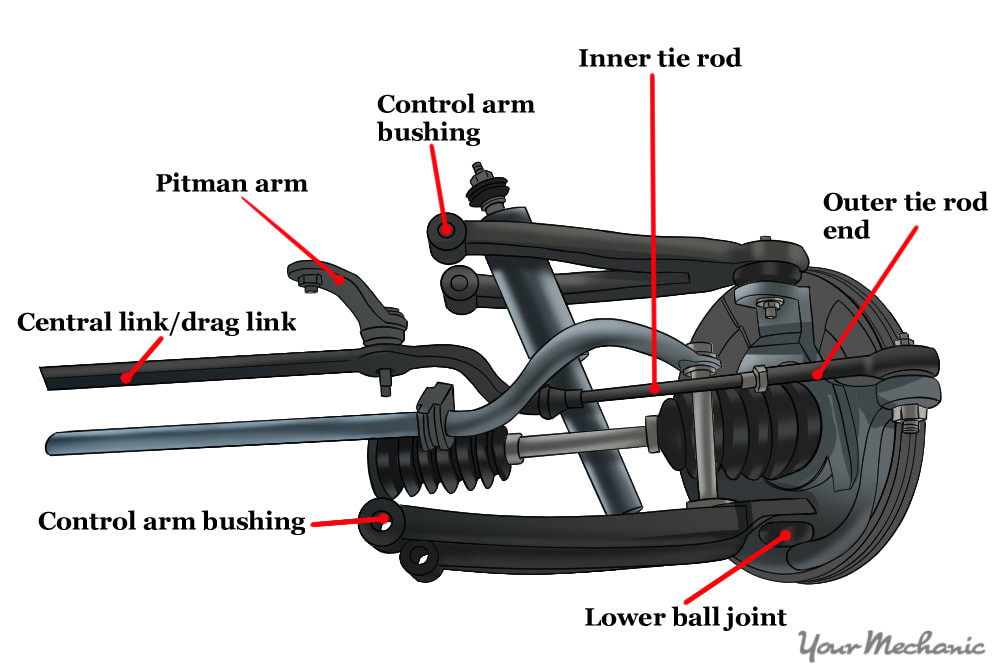
Worn suspension components can significantly impact your driving experience. Parts like bushings, ball joints, and tie rods wear out over time. When they do, they can cause the steering wheel to shake. Inspect these parts regularly to avoid problems.
Another critical part is the shock absorbers. They help control the movement of your car. Worn shock absorbers can lead to vibrations felt through the steering wheel. Replacing them can restore smooth driving.
Suspension Maintenance
Regular maintenance is key to a healthy suspension system. Check your suspension components during routine car inspections. This helps identify and fix issues early. Regular alignment checks are also essential. Misaligned wheels can cause vibrations at high speeds.
Ensure proper tire balance. Unbalanced tires can strain the suspension system, leading to shaking. Also, keep an eye on tire wear patterns. Uneven wear can be a sign of suspension problems.

Credit: www.youtube.com
Engine And Transmission Issues
Experiencing a shaking steering wheel at high speeds can be unsettling. It can signal deeper issues with your vehicle’s engine and transmission. These components are essential for a smooth ride. Problems here can lead to vibrations that travel up to the steering wheel. Understanding these issues can help you address them effectively.
Engine Mounts
Engine mounts secure the engine to the vehicle’s frame. They absorb vibrations and prevent the engine from moving excessively. If the mounts wear out, the engine can shift. This movement causes vibrations that you feel in the steering wheel. Worn mounts need immediate replacement to restore stability.
Transmission Mounts
Transmission mounts perform a similar function for the transmission. They keep it in place and minimize vibrations. Damaged or worn mounts can cause the transmission to shift. This shifting leads to vibrations that affect the steering wheel. Inspecting and replacing faulty mounts can resolve these issues.
Solutions And Maintenance
Experiencing a shaking steering wheel at high speeds can be unsettling. This issue often signals underlying problems. Regular inspections and professional services help resolve these issues. Here are some solutions and maintenance tips to keep your ride smooth.
Regular Inspections
Regular inspections are crucial. Check your tires for uneven wear. Misaligned tires cause vibrations. Inspect your suspension system for any damage. Worn-out parts can affect your steering. Keep an eye on your wheel bearings. Faulty bearings lead to shaking.
Don’t forget to check your brake system. Warped brake rotors can cause vibrations. Regular maintenance prevents these issues.
Professional Services
If regular inspections don’t solve the problem, seek professional services. Mechanics have the right tools. They can diagnose and fix complex issues. Wheel alignment services can help. Proper alignment reduces vibrations.
Consider tire balancing. Unbalanced tires cause shaking. Professionals can balance them properly. Suspension repairs might be needed. Worn-out parts should be replaced by experts. Trust a professional for a thorough inspection.
Preventive Measures
Ensure tire balance and alignment are checked regularly. Inspect wheel bearings for wear. Maintain correct tire pressure to avoid steering wheel shaking at high speeds.
Steering wheel shaking at high speeds can be both annoying and dangerous. Fortunately, there are several preventive measures you can take to ensure a smooth and safe driving experience. By focusing on proper tire care and routine checkups, you can keep your vehicle in top shape and avoid those unsettling vibrations.
Proper Tire Care
Keeping your tires in good condition is crucial. Regularly check your tire pressure to ensure they are inflated to the recommended levels. Under-inflated or over-inflated tires can cause uneven wear, leading to shaking.
Rotate your tires every 5,000 to 7,000 miles. This helps even out the wear and extends the life of your tires. Uneven tire wear is a common cause of steering wheel vibrations.
Make sure your wheels are balanced. Unbalanced wheels create an uneven distribution of weight, leading to vibrations at high speeds. Most tire shops offer wheel balancing services, which can save you a lot of trouble down the road.
Routine Checkups
Regular maintenance checkups are essential. Schedule a professional alignment check at least once a year. Misaligned wheels can cause your steering wheel to shake and your tires to wear out faster.
Inspect your brakes regularly. Worn-out brake pads or warped rotors can cause vibrations. If you notice a pulsating feeling when braking, it’s time to get your brakes checked.
Don’t forget to examine your suspension system. Components like struts, shocks, and bushings can wear out over time, leading to a shaky steering wheel. If your car feels bouncy or you hear unusual noises, have your suspension checked.
Have you ever experienced steering wheel shaking at high speeds? What steps did you take to fix the issue? Share your experiences and tips in the comments below!
Frequently Asked Questions
Why Does My Steering Wheel Shake At High Speeds But?
Your steering wheel might shake at high speeds due to unbalanced tires, worn suspension parts, or wheel alignment issues. Check tires and suspension for damage.
Why Does My Steering Wheel Shake Over 70mph?
Your steering wheel may shake over 70mph due to unbalanced tires, worn suspension parts, or brake issues. Check tire balance and alignment first.
Is It Safe To Drive With A Shaking Steering Wheel?
Driving with a shaking steering wheel is unsafe. It could indicate issues with tires, alignment, or suspension. Get it checked immediately to avoid potential accidents and costly repairs.
Why Does My Steering Wheel Shake When I Go Over 60 Mph?
Your steering wheel may shake over 60 mph due to unbalanced tires, misaligned wheels, or worn suspension components. Check for tire issues and get a wheel alignment.
Conclusion
Regular maintenance ensures a smooth driving experience. Addressing steering wheel shaking promptly is crucial. Ignoring it can lead to bigger problems. Check tire balance, alignment, and suspension. Consult a mechanic if needed. Safe and comfortable driving is always the priority.
Keep your vehicle in top shape. Enjoy the journey with peace of mind. Happy driving!
2 Responses