
How to Install Car Seat Covers to Instantly Update the Look of Your Car and protect its interior. If you want to protect seats from stains, hide old stains, or just make seats more comfortable, car seat covers are a wise investment. But many drivers worry about getting it wrong and causing discomfort or even impacting safety.
Installing car seat covers is an easy task and can be done smoothly with a few easy steps and practical tips that will help you avoid common mistakes.
Why Use Car Seat Covers?
Beyond mere looks, car seat covers offer several advantages. They keep upholstery clean and free from dirt, stains and wear, which can help increase your car’s resale value. Covers also make seats more comfortable, particularly if you choose padded or breathable materials. For families, pet owners or rideshare drivers, covers are a must for keeping seats clean.
Studies show that a vehicle’s interior depreciates quickly without protection. On average, cars with clean seats sell for more than 15% more than cars with visible stains or damage. This little upgrade could save you money over the long haul.
How To Choose The Right Seat Covers
When purchasing, be sure to choose covers that fit your car. Universal covers are cheaper, but custom-fit covers provide better protection and comfort.
| Type: | Suit | Price Range Of | Material Selection |
|---|---|---|---|
| Universal | Loose, not all seats may fit. | $20-$60 | Polyester, neoprene |
| Custom fit | Custom made for specific models Snug fit | $80-$250 | Leather, Suede, Luxury Fabrics |
Check the shape of your seat, headrest design, and whether your seats have side airbags. Some covers are not compatible with airbag systems which can compromise safety.
Key features to look for
- Material durability: Leather lasts longer, but can be hot in summer.
- Cleaning ease: Removable and washable covers are best for families.
- Color and style Choose a color that complements your car’s interior.

Step-by-step Installation Guide
With the right covers in hand, you’re ready to install. Most covers come with instructions, but many are unclear or too generic. Here is a practical approach for most cars:
1. Prepare Your Seats
Remove any items from the seats and floor. Vacuum to clear dirt and crumbs. If you have stains, wipe them with a damp cloth and let seats dry completely.
2. Remove Headrests
Most covers require you to take off the headrests. Pull them up and out—some cars have a button or latch to release them. If your covers don’t need headrest removal, skip this step.
3. Align The Seat Cover
Place the cover over the seat, starting at the top. Smooth it down so it fits snugly. Check the seams—lines should match the seat’s shape for best fit.
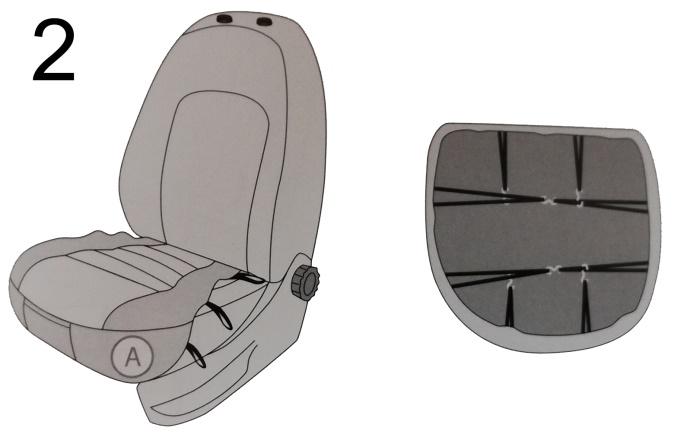
4. Secure Straps And Hooks
Most covers have elastic straps or hooks underneath. Pull these straps tightly and connect them beneath the seat. Some covers use Velcro or buckles. Make sure everything is tight so the cover doesn’t shift.
5. Replace Headrests
Push the headrest back through the cover’s holes. If the holes aren’t wide enough, cut a small slit—but only if the material allows. This step is often missed by beginners, leading to loose or bunched covers.
6. Install Back Seat Covers
Back seats are trickier. Fold the seats if possible to access the back. Slide the cover over and secure the straps. For split seats, make sure each section fits correctly.
7. Final Adjustments
Smooth out wrinkles and check for loose spots. Sit on the seat to test comfort and check for movement. Adjust as needed.
Common Mistakes And Tips
Many people rush the process or skip steps, leading to poor results. Here are two mistakes beginners often make:
- Ignoring seat shape: Not all covers fit every seat. If you force a cover onto a seat with unique contours, it may slip or bunch up. Always check compatibility.
- Over-tightening straps: Pulling straps too tightly can damage the cover or seat. Tighten just enough for a secure fit.
Another tip: If your car has side airbags, only use covers labeled as airbag-compatible. Using the wrong cover can block airbag deployment and risk safety.

Maintenance And Cleaning
Keeping your seat covers clean helps them last longer. Most fabric covers are machine washable, but leather or premium materials need gentle cleaning. Always follow the manufacturer’s instructions. Regular cleaning prevents odors and keeps your car feeling fresh.
| Cover Material | Cleaning Method | Frequency |
|---|---|---|
| Fabric | Machine wash | Every 2-3 months |
| Leather | Wipe with damp cloth | Monthly |
| Neoprene | Hand wash | Every 3 months |
If your covers start to slip or shift, check the straps and adjust. Over time, elastic can weaken, so replace covers if they no longer stay in place.
Practical Examples
A rideshare driver in Chicago installs custom-fit covers every six months to handle spills and wear. She finds that covers save over $200 yearly in cleaning costs. Another driver uses universal covers for a family car, but upgrades to custom-fit after noticing that covers slide too much during trips.
These real cases show that investing time in proper installation pays off.
Frequently Asked Questions
How Long Does It Take To Install Car Seat Covers?
Most installations take 20–45 minutes per seat, depending on your experience and cover type. Custom-fit covers are usually faster to install than universal ones.
Can I Install Covers If My Seats Have Airbags?
Yes, but you must use airbag-compatible covers. Covers without this feature can block airbag deployment and risk injury. Always check product labels and your vehicle’s manual.
Are Seat Covers Safe For Heated Seats?
Most modern covers are safe for heated seats, but some thick materials may block heat. Check the manufacturer’s recommendations before installing.
What If My Seat Covers Don’t Fit Perfectly?
If covers are too loose or tight, try adjusting the straps or hooks. For persistent problems, consider exchanging for a better fit. Custom-fit covers solve most sizing issues.
How Do I Clean Stubborn Stains From Seat Covers?
For tough stains, use a mild detergent and warm water. Avoid bleach or harsh chemicals, as these can damage the fabric. For leather covers, use specialized cleaners.
Installing car seat covers is a simple upgrade that brings lasting benefits. By following these steps and practical tips, you can protect your car’s interior, boost comfort, and avoid common mistakes. If you need more detailed advice, the Consumer Reports car seat guide offers expert insights. With the right covers and careful installation, your car will look and feel better every day.