
What is the Best Buy for Television Service of their TV every week, but picking the right television service can feel confusing. There are so many options—cable, satellite, streaming, fiber—and each comes with its own set of features, costs, and hidden details. If you want the best buy for television service, you need to know more than just the cheapest price or the biggest channel list. You have to think about your needs, the quality, the contract terms, and even the customer support you’ll get.
Let’s break down what makes a television service truly worth your money. We’ll look at popular providers, compare how they stack up, and help you avoid mistakes many people make. By the end, you’ll have a clear idea of which TV service is the smartest choice for you.
Understanding The Types Of Television Services
Before diving into brands and plans, it’s important to know the main types of TV services available today. Each type has unique advantages and drawbacks, and what works for one home might not work for another.
Cable Tv
Cable television is a traditional choice. It uses coaxial or fiber-optic cables to bring TV channels into your home. Major cable providers include Xfinity, Spectrum, and Cox.
- Pros: Reliable signal, large channel selection, bundles with internet/phone.
- Cons: Often requires contracts, higher base price, extra fees.
Satellite Tv
Satellite TV uses a dish on your home to receive signals from satellites. The biggest names here are DIRECTV and DISH Network.
- Pros: Wide coverage (good for rural areas), strong sports packages.
- Cons: Weather can affect signal, more equipment to install.
Streaming Tv
Streaming services deliver TV over the internet. You watch via an app or device (like Roku, Amazon Fire, or Smart TVs). Big services include YouTube TV, Hulu + Live TV, Sling TV, and fuboTV.
- Pros: No contracts, flexible, watch anywhere with internet.
- Cons: Needs fast internet, may not include all local channels.
Fiber Tv
A newer option, fiber-optic television (like Verizon Fios or AT&T U-verse) uses fiber cables for top-quality HD or 4K video.
- Pros: Super high picture quality, fast channel changes.
- Cons: Limited availability, usually only in big cities.
Over-the-air (ota) Tv
With an HD antenna, you can get local channels for free.
- Pros: No monthly fee, easy to use.
- Cons: Limited channels, depends on your location and signal strength.
What Makes The Best Buy For Television Service?
Finding the “best buy” is not about picking the cheapest or the most expensive. It’s about matching your needs with the right features at the right price. Here are the main factors you should consider:
- Channel selection: Does the service have the channels you and your family watch?
- Picture and sound quality: Is the HD or 4K quality good?
- Monthly cost and fees: Are there hidden charges or equipment rental fees?
- Contracts and flexibility: Can you cancel anytime? Are there long-term commitments?
- Customer service: How easy is it to get help if there’s a problem?
- Equipment and setup: Is installation easy, and are the devices user-friendly?
- Special features: DVR, streaming apps, multi-device support, parental controls.
Many buyers focus only on price and forget about hidden fees or poor customer support. For example, some cable companies advertise a low rate but increase the price after the first year. Others lock you into a contract with a big early cancellation fee.
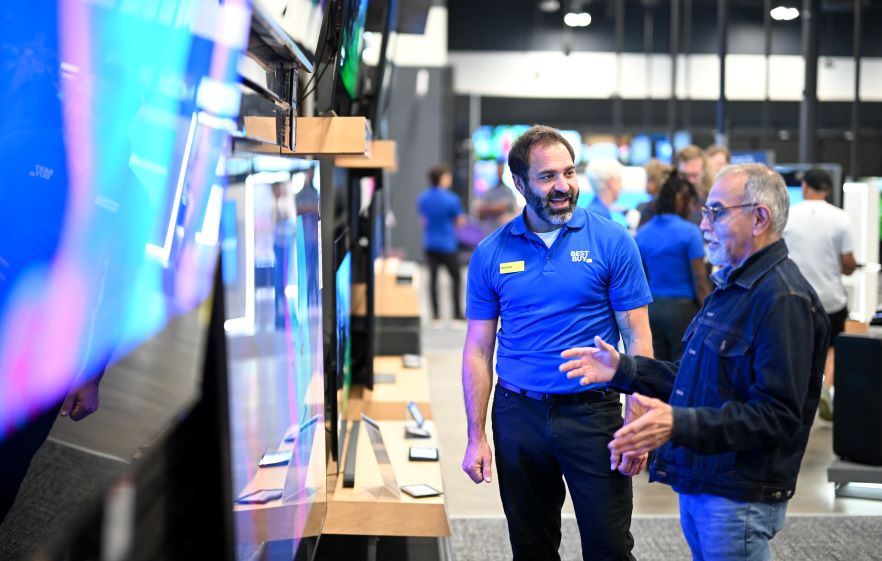
Comparing The Top Television Service Providers
To help you compare, here’s a table showing the top TV providers and their basic features.
| Provider | Type | Starting Price (per month) | Channel Count | Contract Required | DVR Included |
|---|---|---|---|---|---|
| Xfinity | Cable | $50 | 125+ | Yes | Extra Fee |
| Spectrum | Cable | $50 | 125+ | No | Extra Fee |
| DIRECTV | Satellite | $65 | 160+ | Yes (2 yrs) | Yes |
| DISH | Satellite | $80 | 190+ | Yes (2 yrs) | Yes |
| YouTube TV | Streaming | $73 | 100+ | No | Yes |
| Hulu + Live TV | Streaming | $77 | 90+ | No | Yes |
| Sling TV | Streaming | $40 | 30-45 | No | Extra Fee |
| fuboTV | Streaming | $75 | 120+ | No | Yes |
| Verizon Fios | Fiber | $75 | 125+ | No | Extra Fee |
| AT&T U-verse | Fiber | $65 | 180+ | No | Extra Fee |
This table gives a quick overview, but choosing the best buy means looking at your habits, preferences, and local availability.
In-depth Look: Popular Tv Service Providers
Let’s go deeper into what each major provider offers. This section will help you understand the real pros and cons, not just marketing claims.
Xfinity
Xfinity (Comcast) is one of the largest cable TV providers in the United States. Their plans start at about $50 per month, but the price can go up after the first year. They offer bundling with internet and phone, which can save money if you need all three.
- Channel variety: Good for families, sports fans, and movie lovers.
- DVR: Extra monthly fee for their X1 DVR.
- Hidden fees: Installation, broadcast, and regional sports fees can add $15–$30 more.
- Contract: Often 1-year, with a price hike after 12 months.
Insight: Many Xfinity customers are surprised by the extra fees on their bill. Always ask for a full breakdown before signing up.
Spectrum
Spectrum is another big cable provider, popular for its no-contract promise. Plans start at $50 per month, and you get over 125 channels.
- Channel selection: Similar to Xfinity, but fewer regional sports.
- Equipment: Set-top box and DVR are extra.
- No contracts: Cancel anytime without a penalty.
- Price: Can increase after 12 months.
Non-obvious tip: Spectrum’s internet is often highly rated, so bundling can help if you need both TV and internet.
Directv
DIRECTV uses satellite dishes to deliver TV, so it works even in places where cable is not available. Their packages start at $65 per month for 160+ channels.
- Sports: Excellent for NFL, NBA, and regional sports networks.
- DVR: Genie DVR is included.
- Contracts: 2-year contract, prices rise in year 2.
- Weather issues: Heavy rain or snow can disrupt the signal.
Important insight: DIRECTV’s second-year price jump is often over $30/month higher than year one.
Dish Network
DISH is the other big satellite provider. It costs more than DIRECTV but locks in your price for 2 years.
- Channel count: Starts at 190+ channels.
- DVR: Hopper Duo included with 2-channel recording.
- Contracts: 2-year agreement, but the price doesn’t change.
- Reliability: Slightly better weather resistance than DIRECTV.
Tip for beginners: DISH’s fixed pricing is good if you dislike surprises on your bill.
Youtube Tv
YouTube TV is a streaming service, which means you don’t need cables or a satellite dish. It costs $73 per month, with 100+ channels.
- Flexibility: Watch on your phone, tablet, smart TV, or computer.
- DVR: Unlimited cloud DVR is included.
- No contracts: Cancel or pause anytime.
- Local channels: Good coverage in most cities.
Non-obvious insight: YouTube TV’s interface is simple—great for older users or those new to streaming.
Hulu + Live Tv
Hulu’s live TV option gives you 90+ channels, plus the entire Hulu on-demand library for $77 per month.
- Bundling: Includes Disney+ and ESPN+.
- DVR: Unlimited recording, but some ads remain.
- No contracts: Stop anytime.
- Sports and news: Covers most major channels.
Tip: Hulu’s on-demand library is a big advantage if you watch a lot of shows and movies.
Sling Tv
Sling TV is the most customizable streaming service. Plans start at $40, but channel bundles are smaller (30–45 channels).
- Mix and match: Choose between Sling Orange, Sling Blue, or both.
- DVR: 50 hours included, more for a fee.
- No contracts: Only pay for months you want.
- Local channels: Not included in most areas.
Important: Sling can be the lowest-cost option, but check if your must-have channels are available.
Fubotv
FuboTV is built for sports fans, with 120+ channels and a focus on soccer and international sports.
- Price: $75 per month.
- DVR: 1,000 hours of recording.
- No contracts: Cancel anytime.
- Picture quality: Excellent HD and some 4K sports.
Non-obvious insight: fuboTV’s news and entertainment selection is growing, making it more family-friendly.
Verizon Fios
Fios uses fiber-optic cables for TV and internet, offering super high-quality video.
- Channel count: 125+ channels for $75/month.
- DVR: Not always included.
- No contracts: Month-to-month plans.
- Availability: Only in certain states (mostly Northeast).
Tip: Fios is a top pick for picture and sound quality, but check if you can get it in your area.
At&t U-verse
AT&T’s U-verse is another fiber-based option with 180+ channels starting at $65/month.
- Bundling: Save when adding AT&T internet.
- DVR: Up to 4 shows at once, but costs extra.
- No contracts: Flexible plans.
- Availability: Only in select regions.
Insight: U-verse’s reliability is high, but installation can take longer than cable or streaming.
Streaming Vs. Traditional Tv: Which Is The Best Buy?
The biggest shift in TV service lately is the move from cable and satellite to streaming. Let’s compare them side by side.
| Feature | Streaming TV | Cable/Satellite TV |
|---|---|---|
| Setup | Easy (just an app) | Needs technician |
| Contracts | No contracts | Usually 1–2 years |
| Channel Count | Fewer, but focused | More channels |
| DVR | Cloud, unlimited/varies | Physical box, fees |
| Picture Quality | HD/4K (depends on internet) | Usually HD, some 4K |
| Flexibility | High (watch anywhere) | Limited to home TV |
| Cost | Lower, no hidden fees | Higher, extra fees common |
Non-obvious insight: Streaming services often let you share your account with family in different locations, which can save money compared to traditional TV.
Key Features To Look For In A Tv Service
It’s easy to focus on channel numbers or price, but these features can have a bigger impact on your satisfaction:
Picture And Sound Quality
Look for services that offer HD or 4K content if you have a modern TV. Fiber and satellite usually deliver the best picture, but streaming can match them if your internet is fast (at least 25 Mbps).
Dvr And Recording Options
A good DVR lets you record shows and skip ads. Check if there’s a limit to how many hours you can record or how many shows you can record at once. Cloud DVR (offered by streaming services) is easier to use and doesn’t need extra devices.
On-demand Libraries
Many services now include on-demand movies and shows. Hulu + Live TV and YouTube TV have large libraries, so you can watch whenever you want—not just when a show airs.
Multiple Streams
If your household has many people, check how many simultaneous streams are allowed. For example, YouTube TV allows three at once, while Sling TV charges extra for more.
Parental Controls
If you have kids, make sure the service has parental controls to restrict certain channels or shows.
Local Channel Coverage
Don’t assume every service includes your local ABC, CBS, NBC, or FOX. Streaming services sometimes lack these, depending on your city.
How To Choose The Best Tv Service For Your Needs
Everyone watches TV differently. Here’s a simple guide to help you pick:
- List your must-have channels. Write down the shows or sports you can’t miss.
- Count how many TVs you’ll use. Some plans cost more if you have several TVs.
- Decide if you want on-demand content. If you like watching shows anytime, choose a service with a big library.
- Check your internet speed. Streaming needs at least 25 Mbps per TV for HD.
- Consider contracts. If you move often or dislike long commitments, pick a no-contract option.
- Add up total costs. Include equipment rental, installation, taxes, and hidden fees.
Non-obvious tip: Some services offer free trials. Test one for a week before making your final choice.
Common Mistakes When Choosing A Tv Service
Even smart shoppers make mistakes. Here are some to avoid:
- Ignoring the second-year price: Many cable and satellite providers raise prices after the first 12 months.
- Overlooking equipment fees: DVRs, extra boxes, and remotes can add $20–$30 per month.
- Assuming all channels are included: Some popular channels may be missing, especially with streaming.
- Not checking contract terms: Early cancellation fees can be $200 or more.
- Forgetting about local channels: Make sure you can get the news and sports you care about.
- Skipping customer support reviews: Some companies have poor service when problems arise.
Real-world Examples: Which Service Fits Which User?
Let’s see how different buyers might choose:
- Sports Fan: Wants NFL, NBA, local teams. DIRECTV or fuboTV are top picks.
- Family with Kids: Needs Disney, Nickelodeon, parental controls. Xfinity, Spectrum, or Hulu + Live TV.
- Budget Shopper: Just needs basic channels. Sling TV or OTA antenna.
- Tech Lover: Wants best picture, streaming, on-demand. Verizon Fios, YouTube TV, or Hulu + Live TV.
- Rural Home: Limited internet, needs lots of channels. Satellite (DIRECTV or DISH).
Each person’s “best buy” will be different, but these examples show how matching needs to service type saves money and frustration.
The Future Of Tv Service: Trends To Watch
TV service is changing fast. Here are trends that could affect your decision:
- More streaming bundles: Combining live TV with Netflix, Disney+, and more in one package.
- No-contract plans: Even cable companies are dropping contracts.
- Better apps: TV interfaces are becoming easier to use.
- 4K and HDR: Higher-quality video is becoming normal, but you need a compatible TV and service.
- Personalized viewing: More recommendations and custom channel lineups.
Non-obvious insight: Some providers now offer “skinny bundles”—smaller, cheaper channel packages. These can save money if you watch fewer channels.
Is Cutting The Cord The Best Buy?
“Cutting the cord” means dropping cable or satellite for streaming. Is it always cheaper? Not always. If you subscribe to several streaming services at once (like YouTube TV, Netflix, Hulu, Disney+), your total bill can match or exceed cable.
Advice: Make a list of your subscriptions and add up the cost before switching.
How To Get The Best Deal On Tv Service
- Ask for promotions: Providers often have limited-time deals for new customers.
- Negotiate: Call and ask for discounts or to waive installation fees.
- Bundle carefully: Combining TV and internet can save money, but only if you need both.
- Check for streaming device offers: Some services give a free streaming stick (like Roku or Fire TV) when you sign up.
- Review your bill each year: Prices can creep up; don’t be afraid to switch.
Final Recommendation: The Best Buy For Television Service
There’s no single “best” TV service for everyone. But here’s a summary:
- Best Overall Streaming: YouTube TV for easy setup, unlimited DVR, and wide channel selection.
- Best for Sports: DIRECTV (satellite) or fuboTV (streaming).
- Best Budget Option: Sling TV (if you don’t need local channels).
- Best for Families: Hulu + Live TV for on-demand and live content.
- Best Picture Quality: Verizon Fios (fiber), if available.
If you want full details on each provider, you can check the official websites or use comparison guides like CNET.
The best buy is the one that fits your needs, budget, and location—not just the one with the most ads or biggest discounts. Take time to compare, read the fine print, and use free trials to test before you commit.
Frequently Asked Questions
What’s The Cheapest Way To Get Tv Channels?
The cheapest way is an HD antenna for local channels. For pay channels, Sling TV or basic cable packages are the lowest-cost options. Streaming free trials can help you test without risk.
Do Streaming Tv Services Need Fast Internet?
Yes, for HD quality, you need at least 25 Mbps per TV. For 4K, 50 Mbps or more is better. Slow internet can cause buffering and low picture quality.
Can I Get Local Channels With Streaming Tv?
Many streaming services (like YouTube TV and Hulu + Live TV) include local channels in most cities. But not all do—check your zip code before you sign up.
What Is A Dvr, And Do I Need One?
A DVR lets you record live TV and watch later. Most streaming services include cloud DVR, while cable/satellite may charge extra. If you like pausing or skipping commercials, a DVR is helpful.
Is Cable Or Streaming Tv Better For Families?
Both can be good. Streaming TV is flexible and has more on-demand options. Cable can be better for live sports and older family members who prefer a traditional remote and channel guide.
Finding the best buy for television service takes a little research, but the right choice can save you money and improve your viewing experience for years to come.
