
Your rear suspension is very important for how smoothly and confidently What is the Best Rear Suspension for Mountain Bike. But how do you know which rear suspension is really the best for your ride when there are so many choices?
The right suspension can make a big difference in how well you control, comfort, and perform, whether you’re climbing steep hills or going down rocky ones. You’ll learn the main differences between coil and air suspensions, which one works best for your riding style, and how to pick the best setup that will keep you riding longer and stronger.
Want to improve your trail experience by upgrading your mountain bike? Let’s get started.

Different Types of Rear Suspension
There are different kinds of rear suspensions for mountain bikes. Each type has its own advantages for comfort and control while riding. It depends on the style of the trail and the rider’s preference.
Knowing about these different types of suspension will help you choose the best setup. The main types are coil, air, and hybrid suspensions. Let’s look at each type to see how they work.
Suspension with coils
A metal spring is used in coil suspension to absorb shocks. It feels smooth and steady on rough trails. Coil shocks are great at dealing with big hits and heavy loads. They last longer and need less upkeep than other kinds. The bad thing is that they are heavier and less adjustable.
Suspension by air
Air suspension uses a chamber filled with compressed air to cushion things. Because it is lighter than coil suspension, the bike is easier to steer. You can fine-tune air shocks by changing the air pressure. This lets riders change how stiff and responsive the ride is. Riders who want a good balance of performance and weight savings should use air suspension.
Mixed Choices
Coil and air designs are used together in hybrid suspension. It tries to get the best of both worlds. Some hybrids have a coil spring with an air chamber to help with tuning. Some people put air in a coil shock to make it lighter. These choices give you good control and comfort. Hybrids are usually more expensive, but they are popular with riders who want a lot of options.
Things that affect performance
When picking the best rear suspension for a mountain bike, performance factors are very important. These things change how the bike handles rough trails and make riding more comfortable. Knowing them will help you choose a suspension that works with your riding style and the terrain.
Absorption of Shock
A smooth ride needs shock absorption. A good rear suspension smooths out bumps and rocks, which makes your body less hurt. It makes long rides easier to control and less tiring. The materials and design of the suspension affect how well it can handle shocks.
Bouncing and compressing
Rebound controls how quickly the suspension goes back to its original position after being compressed. Compression changes how the suspension responds to force. Adjusting the rebound and compression correctly makes the bike more stable and gives it better traction. It helps keep the wheels in touch with the ground on bumpy surfaces.
Things to Think About When It Comes to Weight
The weight of the suspension affects how well the bike works and how tired the rider gets. Climbing and speeding up are easier with lighter suspensions. But heavier units might be more durable and easier to control. Depending on how you ride, find a balance between weight and strength.
Choosing Suspension Based on How You Ride
The type of rear suspension you need depends a lot on how you ride. Different styles need different suspension features to make them more comfortable and easier to control. Choosing the right rear shock for your bike can make it work better. Knowing the main differences will help you make a smart choice.
Across the country
Cross-country riders need suspension that is light and works well. A firm setup with less travel helps keep speed on smooth trails. People like air shocks here because they are light and can be adjusted. This kind of suspension gives you good control and makes pedaling easier.
Riding on Trails
Trail riders need suspension that can handle a lot of different types of terrain and has a moderate amount of travel. It should be able to handle bumps but still work well for climbing. Depending on the rider’s preference, air or coil shocks work well. The suspension should be able to handle both rough and smooth ground without any problems.
Downhill
You need strong, long-lasting suspension with a lot of travel for downhill biking. People often choose coil shocks because they work well on rough descents every time. At high speeds, they give you better traction and control. The suspension needs to be able to safely handle big hits and drops.
Enduro
Enduro riders need to be able to climb quickly and control their speed going down. This style works best with adjustable suspension settings. Air shocks let you easily change the compression and rebound. This helps riders get used to different kinds of terrain on long rides.
Best Rear Shocks in 2026
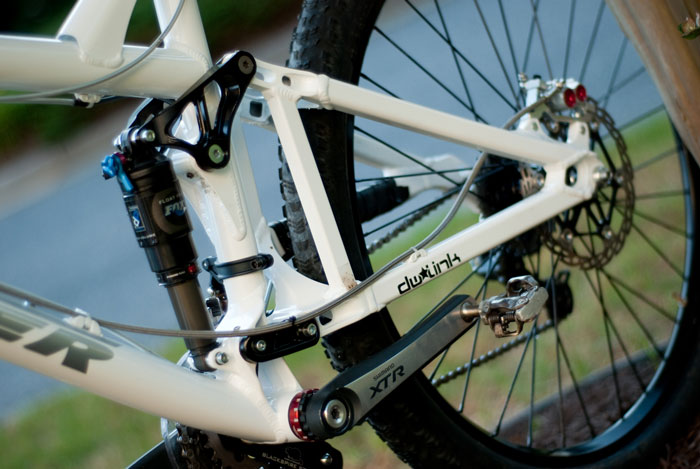
Picking the right rear suspension for your mountain bike makes it easier to ride and control. The rear shocks keep the tires on the trail and absorb bumps. In 2026, a few top models stand out because they work well and are dependable. These shocks work with a wide range of riding styles and budgets. Here are some of the best rear shocks you might want to think about.
Ultimate Vivid Rockshox
The RockShox Vivid Ultimate lets you control the damping very well. It has a coil spring that makes it work smoothly and consistently. This shock is great for riding on rough trails and going downhill fast. It gives you a lot of traction and stability on rough ground. Riders like how long it lasts and how easy it is to change.
Db Kitsuma Air
The DB Kitsuma Air has a design for an air spring that is light. It feels soft and is very sensitive to small bumps. This shock is a good fit for enduro and trail bikes. Its high-quality seals mean less work to keep it up. Riders can easily change the pressure in the air spring to get the ride just right.
Fox Float X Factory
People know that Fox Float X Factory works well in all situations. It has a high-performance damper and an air spring. This shock is flexible and works well with a lot of different types of mountain bikes. It gives you good control on both slow and fast parts of the trail. Fox is more appealing because it is known for making high-quality parts.
Models of Cane Creek
Cane Creek makes a number of rear shocks that are made for different types of riders. Their models have both coil springs and air springs. These shocks are very easy to change and dampen smoothly. Cane Creek shocks are good for riders who want to be able to adjust them exactly. A lot of people say they are comfortable and reliable on long rides.
Tuning and adjusting
To get the most out of your mountain bike’s rear suspension, it needs to be adjustable and tuned. You can change how your bike handles different trails and styles of riding with these. Fine-tuning the suspension makes it more comfortable, easier to control, and better at gripping the road.
Every rider has different needs. A suspension that is easy to change lets you adjust to different types of terrain and weather. You can get the most out of your ride by knowing how these settings work.
Settings for Air Pressure
Air shocks use air that is under pressure to give spring force. You change the air pressure to fit your weight and how you ride. The suspension gets stiffer when the pressure goes up. It becomes softer and more responsive when the pressure is lower. The right amount of air pressure keeps the bike stable and running well.
Changes to the Spring Rate
The coil sets the spring rate for coil shocks. Some models let you change the springs to get different rates. A higher spring rate is better for rough terrain and aggressive riders. For lighter riders or smoother trails, lower spring rates are better. Choosing the right spring rate makes things more comfortable and easier to control.
Tuning for rebound and compression
Rebound controls how quickly the suspension goes back to its original position after being compressed. Changing it keeps the bike from bouncing too much. Changing the compression tuning changes how the suspension handles bumps. You can make it softer for small bumps or harder for big hits. Keeping the rebound and compression in balance makes the ride smooth and stable.
Advice on how to keep things up
Keeping the rear suspension of your mountain bike in good shape is important for its smoothness and dependability. Taking care of your shock on a regular basis can help it last longer and avoid expensive repairs. You can make your ride safer and more comfortable by doing some simple maintenance.
Checkup on a regular basis
Before each ride, make sure to check your rear suspension. Check for dirt, scratches, or oil leaks. Check the mounting hardware to make sure the bolts are tight. Notice any strange sounds or changes in how well it works. Finding problems early stops them from getting worse later.
Changing the Seal and Oil
Seals keep dirt and moisture out of the inside parts. Follow the manufacturer’s instructions and replace them. Old seals let oil leak out and don’t work well for damping. To keep things moving smoothly, change the suspension oil often. Use the right kind and amount of oil for your model.
Fixing Common Problems
Change the air pressure or preload if your suspension feels too hard or too soft. Listen for any knocking sounds that could mean that parts are loose. It may need servicing if it doesn’t bounce back quickly or if you don’t travel. Keep a log of repairs and problems to keep track of them.
Price and Value
The best rear suspension for your mountain bike will depend on how much money you have and what you want. The price and features of rear shocks can be very different. Knowing about options in different price ranges can help you get the best performance without spending too much.
Choices for beginners
Entry-level rear suspensions work well for people who are just starting out. It’s easy to take care of and cheap to buy these shocks. They are comfortable on trails and do a good job of absorbing bumps. Brands often use materials that last a long time but don’t have as many advanced features. Great for people who are new to mountain biking or who don’t have a lot of money.
Choices in the middle
Mid-range rear suspensions are a good balance between cost and performance. They often have settings that can be changed for rebound and compression. This makes it easier to tune for different trails and ways of riding. These shocks are usually lighter and have better damping technology. A great choice for people who ride a lot and want more comfort and control.
High-Quality Options
Premium rear shocks give you the best performance and durability. They use high-end materials and cutting-edge technology. Riders can make precise adjustments to settings for any kind of terrain. These suspensions are lighter and last longer. Best for serious mountain bikers who want the best quality and performance.

Installing and making it work with other things
It’s not enough to just pick the best model when choosing the right rear suspension for your mountain bike. Installation and compatibility are very important for making sure that rides are smooth and last a long time. Knowing these things will help you avoid common problems and make sure your bike works at its best.
Sizing the Rear Shocks
There are different sizes of rear shocks. To find the right length and stroke, measure your current shock. Using the wrong size can damage your bike’s frame or make the suspension work less well. Always look at the manufacturer’s specifications for exact sizing information.
Compatibility with frames
Not every frame can use every rear suspension. Some are made to fit certain bike models or types of suspension. Before you buy, make sure your frame can handle the type of shock. This keeps your bike safe and easy to ride, and it stops problems with installation.
Installation by a professional vs. doing it yourself
You need tools and technical know-how to put in a rear shock. Installation by a professional makes sure everything is set up correctly and keeps things from getting broken. Installing things yourself can save you money, but if you don’t know what you’re doing, you might make mistakes. Pick the choice that works best with your tools and skills.
Questions That Are Often Asked
What is the best rear shock for a mountain bike?
The best rear shock for mountain bikes is one that is light, has smooth damping, and can be changed. The RockShox Vivid Ultimate, Cane Creek DB Kitsuma Air, and FOX Float X Factory are some of the best options. Choose based on how you ride and the terrain for the best performance and comfort.
What Is the Best Rear Suspension for a Bike?
The best rear suspension for a bike depends on how you ride. Coil shocks are strong and soft. Air shocks are light and adjustable, so they can give you the performance you want. Air suspension is good for most riders because it makes rides smooth and flexible. Pick based on the terrain, weight, and your budget for the best comfort and control.
What type of suspension is best for a mountain bike?
The best suspension for a mountain bike depends on the type of terrain and how you ride. Air suspensions let you change the weight of your vehicle. Coil suspensions work well and last a long time. Pick air for cross-country trails and coil for downhill or aggressive trails. Top rear shocks come from well-known brands like RockShox, Fox, and Cane Creek.
Which Suspension Makes The Ride Smoothest?
Air suspension uses adjustable air bags that do a great job of absorbing bumps to give you the smoothest ride. It feels soft and like it’s floating.
Final Thoughts
The best rear suspension for you will depend on how you ride and where you ride. Coil shocks are strong and last a long time on rough trails. Air shocks are lighter and easier to change for different conditions. Also, think about your budget and how much upkeep you want.
Trying out different suspensions helps you find the one that feels best and gives you the most control. The best rear suspension makes mountain biking a lot more fun. Before you make up your mind, think about these things. Have fun riding!