
A vehicle’s ride comfort and handling depend on how a car’s suspension functions, What Is Suspension in a Car, shock absorbers, and linkages that connects the wheels to the frame.
Essential Components of Car Suspension
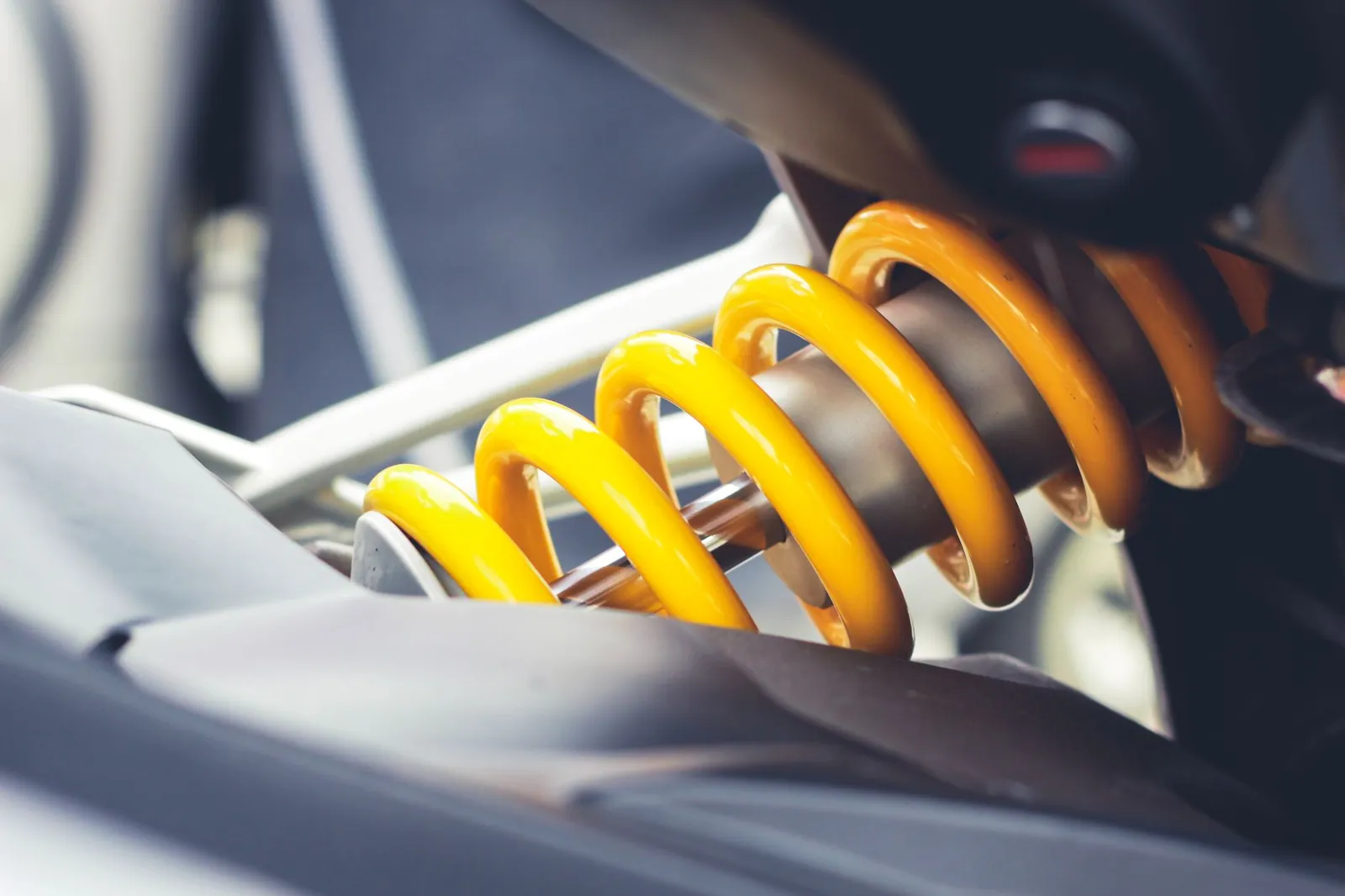
Springs support the vehicle’s weight and absorb the initial force of bumps. Without them, every road imperfection would transfer directly to the chassis.
Shock absorbers control the “bouncing” movement of the springs to keep the ride steady. They convert kinetic energy into heat, preventing the car from oscillating after a hit.
Control arms are the sturdy metal links connecting the wheel assembly to the car’s frame. They dictate the path the wheel takes as it moves.
Bushings are rubber or polyurethane cushions that reduce friction and noise between moving metal parts. They isolate the cabin from harsh vibrations.
Anti-roll bars are steel bars that minimize body lean when you turn corners. They force the suspension to work together across the axle.
Ball joints act as critical pivot points. They allow the wheels to turn and move up and down simultaneously, ensuring your steering remains responsive and precise during complex maneuvers.
Why Suspension Systems Matter
The primary purpose of a suspension system is to maximize the friction between your tires and the road surface. When a car hits a bump, the wheel moves upward; the spring compresses to absorb that energy, and the shock absorber ensures the wheel returns to the road quickly. According to the National Highway Traffic Safety Administration, maintaining proper contact between tires and the road is critical for steering and braking safety.
This constant contact is what allows your vehicle to translate steering inputs into actual directional changes. Without a functional suspension, your tires would bounce off the pavement like a basketball, leaving you with zero control during an emergency stop or a sharp turn. The system acts as the essential bridge between the mechanical power of your engine and the physical reality of the road.
Beyond comfort, the system serves to protect the vehicle’s chassis from the damaging forces of road impacts. If the suspension is too stiff, the car feels every crack, which can loosen interior trim and stress the frame over time. Conversely, if it’s too soft, the car may wallow or lean excessively, making it harder to steer during sudden maneuvers. The system is a compromise between road isolation and driver feedback.
Drivers often mistake a smooth ride for a healthy suspension, but internal wear isn’t always obvious. If you notice the car “nosing” down when you brake, or if it feels like it’s drifting in a crosswind, the components are likely failing. The system is a mechanical assembly that relies on tight tolerances; even a small amount of play in a ball joint can lead to uneven tire wear and unpredictable handling.
When Suspension Performance Changes
| Situation | What changes | What to do instead |
|---|---|---|
| Heavy cargo load | Spring compression | Use heavy-duty rear springs |
| Off-road driving | Ground clearance | Install long-travel shocks |
| High-speed track use | Body roll | Fit stiffer anti-roll bars |
| Cold winter weather | Fluid viscosity | Use synthetic damper oil |
| Worn rubber bushings | Vibration dampening | Replace with polyurethane kits |
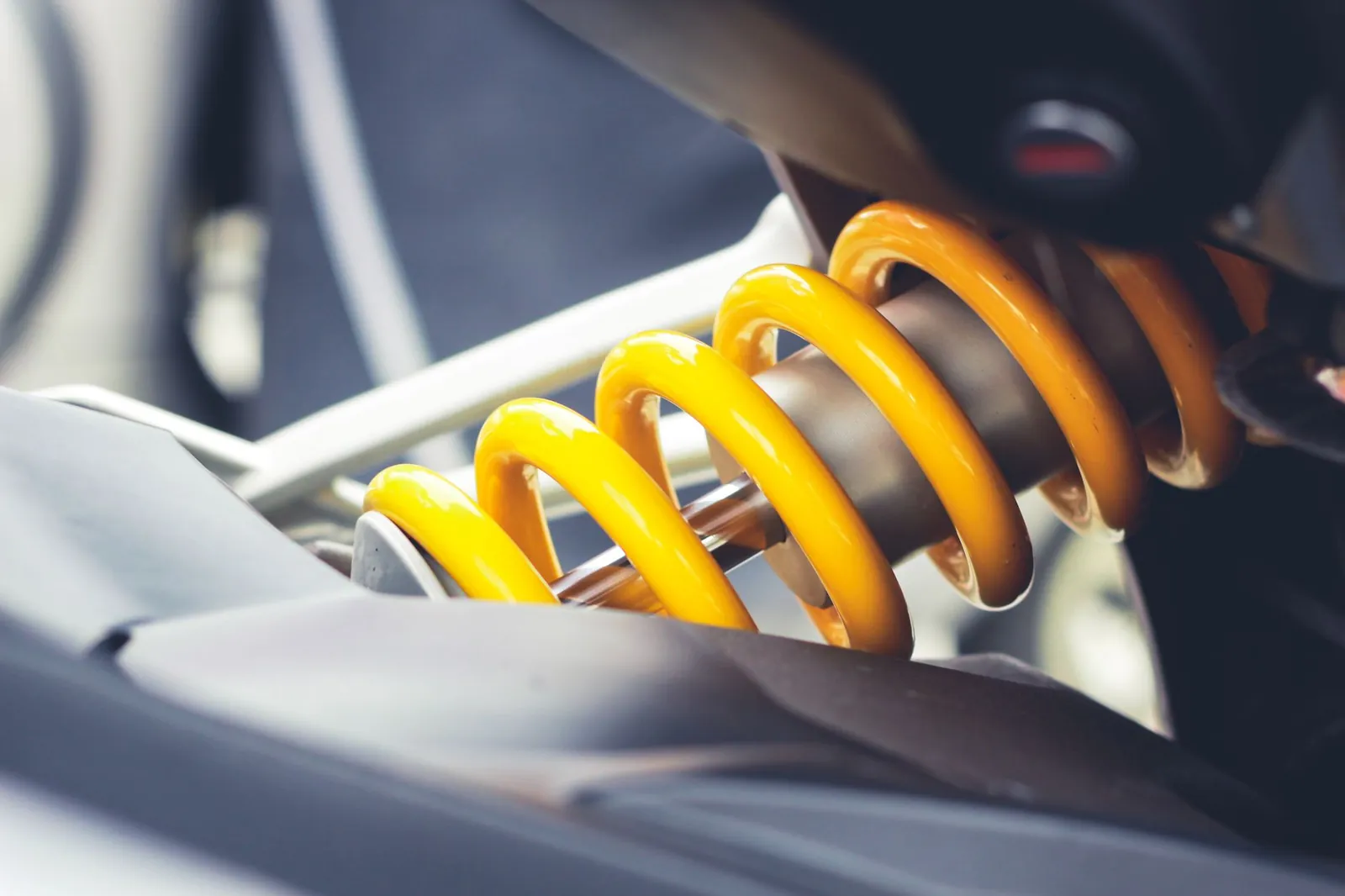
When you load your vehicle with heavy cargo, the factory springs compress beyond their design limit. This reduces your suspension travel, leading to harsh bottoming out on uneven roads. Upgrading to heavy-duty springs restores the ride height and keeps the chassis balanced.
Off-road conditions demand more than just clearance; they require shock absorbers that can dissipate heat rapidly. Without long-travel shocks, your tires lose contact with the ground on jagged terrain.
For track enthusiasts, body roll creates an unstable platform during cornering. Stiffer anti-roll bars force the suspension to work as a unified system, keeping the car flat.
Finally, winter weather thickens standard damper oil, making the ride feel jarring. Switching to synthetic oil ensures consistent damping regardless of the ambient temperature, preventing that stiff, unresponsive feeling during your morning commute.
How to Maintain Your Suspension
- Inspect the shock absorbers: Look for wet, oily residue on the outside of the metal housing. If you see fluid leaking, the internal seals have failed and the unit needs a full replacement.
- Perform a bounce test: Push down hard on each corner of the car and release it. If the car bounces more than twice before stopping, your shock absorbers are worn out and can’t control the spring movement.
- Check for uneven tire wear: Run your hand across the tread of your tires. If the wear is patchy or “cupped,” your suspension alignment or shocks aren’t keeping the tire flat against the road surface.
- Listen for clunking sounds: Drive slowly over a speed bump with the windows down. A sharp metallic knocking sound often indicates a worn bushing or a loose ball joint that requires immediate attention from a professional mechanic.
- Test the steering wheel: If the steering feels loose or wanders on a straight road, check the tie rods. If the car drifts, check alignment; if there’s a vibration, check the ball joints.
- Verify ride height: Measure the distance from the ground to the fender arch on both sides. If one side is lower than the other, you likely have a sagging or broken spring.
The Mistakes That Ruin Suspension

Ignoring minor noises: Small clicks or clunks often signal that a bushing has failed or a stabilizer link is loose. Left unaddressed, these minor issues force other components to compensate for the slack, eventually damaging expensive steering racks and shredding tires.
Overloading the vehicle: Exceeding the manufacturer’s weight limit puts extreme, unnatural stress on your springs. Over time, this causes them to sag permanently, which destroys your vehicle’s intended ground clearance and geometry.
Skipping regular alignments: Driving with wheels out of alignment causes the suspension to fight against itself. This constant, uneven pressure forces components to work harder than designed, leading to premature wear across your entire chassis.
Using mismatched parts: Installing a high-performance shock on one side and a standard one on the other creates dangerous, uneven handling. Your car will pull unpredictably during turns or emergency braking maneuvers.
Frequently asked questions: What Is Suspension in a Car
Can I drive with a broken shock absorber?
You shouldn’t drive with a broken shock absorber because it significantly increases your braking distance and reduces control. When a shock fails, the tire loses consistent contact with the road, especially on bumpy surfaces or during turns. This makes the vehicle prone to skidding or losing traction in emergency situations, which is a major safety risk for you and other drivers on the road.
How often should suspension parts be replaced?
Most suspension components don’t have a set mileage, but shock absorbers typically show signs of wear between 50,000 and 80,000 miles. You should check your owner’s manual for the specific manufacturer’s maintenance schedule. Driving conditions, such as rough roads or heavy loads, will cause these parts to wear out much faster than if you only drive on smooth, paved highways.
Why does my car pull to one side?
A car pulling to one side is usually caused by an alignment issue or uneven tire pressure. If your tire pressures are correct, the suspension alignment is likely the culprit, which happens when control arms or tie rods are damaged. You should have a shop perform a professional alignment check to ensure the geometry of your suspension is set to factory specifications.
Is it safe to repair suspension myself?
You can perform basic inspections yourself, but replacing springs or struts is dangerous because they’re under extreme tension. A compressed spring can release with enough force to cause serious injury if not handled with professional-grade equipment. If your suspension requires a part replacement, this is a job for a qualified mechanic who has the necessary tools to safely compress and install these components.
What happens if I ignore a clunking noise?
Ignoring a clunking noise leads to secondary damage, such as ruined tires and potential failure of the steering system. That noise is usually a sign of a loose ball joint or a worn bushing, which are critical for keeping your wheels attached and pointed in the right direction. If these parts snap while driving, you’ll lose the ability to steer the vehicle safely.
Does suspension type change the ride quality?
The type of suspension, such as independent or solid axle, changes the ride quality because it dictates how much one wheel’s movement affects the others. Independent systems allow each wheel to move separately, which provides a much smoother ride and better handling on uneven surfaces. Solid axle systems are simpler and stronger, often used in trucks, but they generally offer a stiffer and less comfortable ride.
Conclusion
Keeping these components in good shape ensures your daily drives stay smooth and safe. If you notice your car bouncing excessively or pulling to one side, don’t ignore it. It’s a smart idea to have a trusted mechanic check your alignment soon, as it’ll keep your vehicle running reliably for years.