
What Drain Cleaner is Best for Toilets? It can turn a normal day into a stressful one. Many people reach for a drain cleaner as the first solution. But not every drain cleaner is safe or effective for toilets. Some products can damage the toilet, pipes, or even pose health risks.
Others simply don’t work well on the type of clog toilets usually get. Choosing the best drain cleaner for toilets requires understanding how these products work, the different types available, and what to avoid. By the end of this guide, you’ll know exactly what to use, what to avoid, and how to keep your toilet running smoothly without expensive repairs.
Why Toilets Get Clogged
Toilets are designed to handle human waste and toilet paper. However, they sometimes get blocked due to things like too much toilet paper, flushing non-flushable items, or mineral buildup. In some homes, older plumbing or hard water can make clogs happen more often. It’s important to know what causes these blockages because the right solution depends on the type of clog.
Types Of Drain Cleaners For Toilets
There are several types of drain cleaners, each with different strengths and risks. Using the wrong one could harm your plumbing or even your health. Let’s look at the main types used for toilets:
1. Enzyme-based Cleaners
Enzyme drain cleaners use natural bacteria and enzymes to break down organic material, like waste and toilet paper. They are safe for pipes and the environment. These cleaners work best for slow drains or regular maintenance, but are not always quick enough for severe clogs.
2. Chemical Cleaners
Chemical cleaners come in two main types: caustic (like sodium hydroxide) and acidic (like sulfuric acid). They work fast but can be harsh on pipes, the environment, and even your skin or eyes. Most chemical cleaners are not recommended for toilets because they can react with water in the toilet bowl and damage the porcelain or pipes.
3. Foaming Cleaners
These cleaners expand to fill the pipe and help remove buildup along the sides. They are less common for toilets, but some products use a foaming action along with enzymes or mild chemicals to clear light clogs.
4. Homemade Or Natural Solutions
Some people use baking soda and vinegar or hot water as a safe, natural way to clear minor toilet clogs. While these methods can help with light buildups, they usually aren’t strong enough for tough blockages.
5. Mechanical Tools
While not a liquid cleaner, mechanical tools like a toilet plunger or toilet auger are often the safest and most effective way to remove tough clogs. They physically push or pull the blockage through, rather than dissolving it.
What Makes A Drain Cleaner Safe For Toilets?
Not all drain cleaners are toilet-safe. Here’s what to look for:
- Non-corrosive: Does not damage porcelain, plastic, or metal pipes.
- Septic-safe: Safe for septic systems if your home uses one.
- Easy on the environment: Won’t harm the water supply or aquatic life.
- Low fumes: Won’t fill your bathroom with harmful gases.
- Designed for organic material: Targets human waste and toilet paper, not just grease or hair.
Many chemical products used for sinks or tubs can harm your toilet or pipes. Always read the label and look for those marked as toilet-safe.
Best Drain Cleaners For Toilets: Top Recommendations
The market is full of drain cleaners, but only a few are truly safe and effective for toilets. Here’s a closer look at the top options:
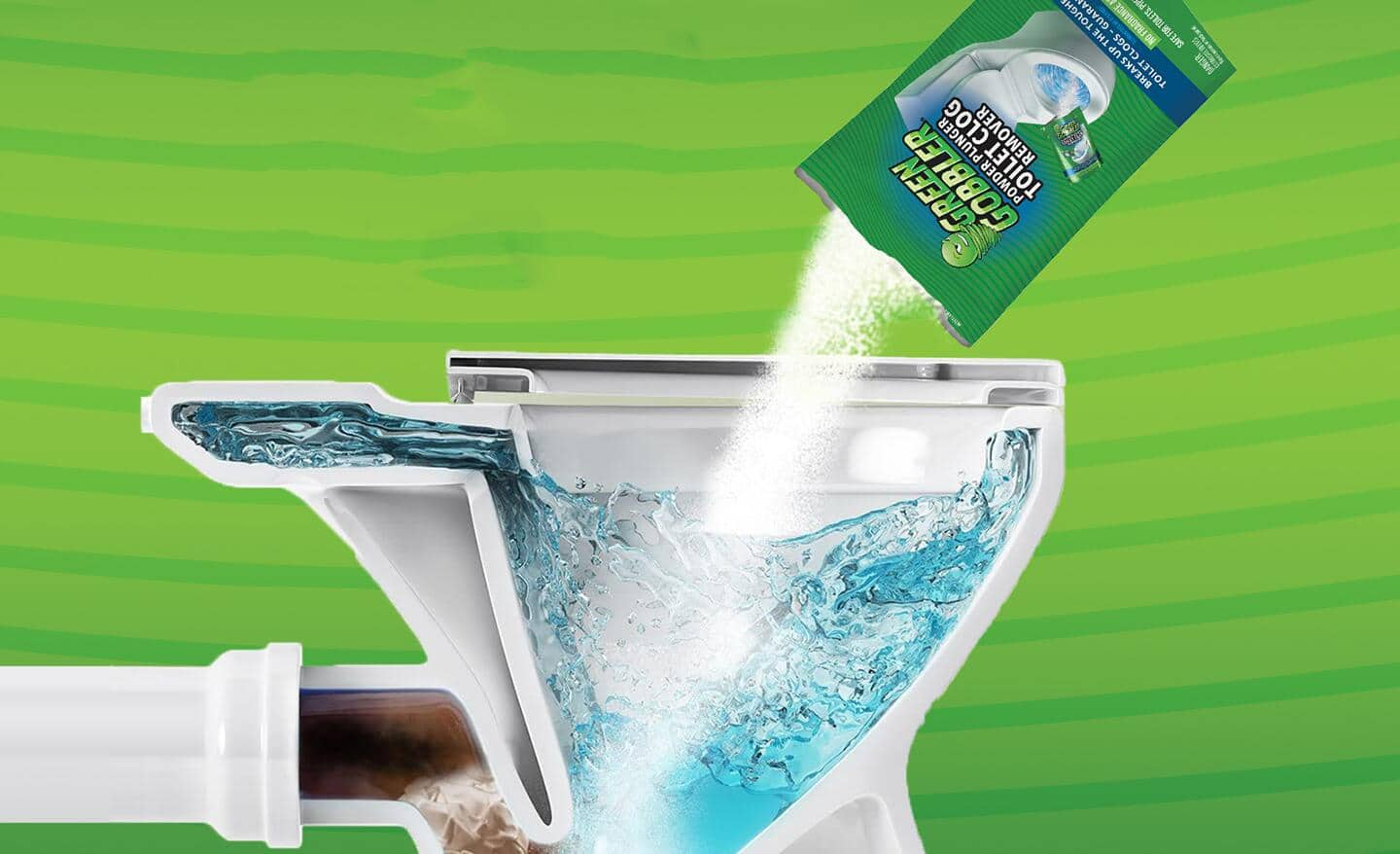
1. Green Gobbler Enzyme Toilet Drain Cleaner
This enzyme-based cleaner is made specifically for toilets. It uses bacteria to break down waste and toilet paper. It’s gentle on pipes, safe for septic systems, and has almost no smell. It works best if you leave it overnight.
2. Drano Max Build-up Remover
Unlike regular Drano, which is not safe for toilets, this build-up remover uses enzymes and is designed for toilets and septic systems. It’s not a fast-acting solution but it helps prevent future clogs with regular use.
3. Bio-clean Drain Septic Bacteria
Bio-Clean is a professional-grade enzyme cleaner. It’s popular with plumbers for long-term maintenance. It’s safe for all plumbing and breaks down waste, grease, and paper.
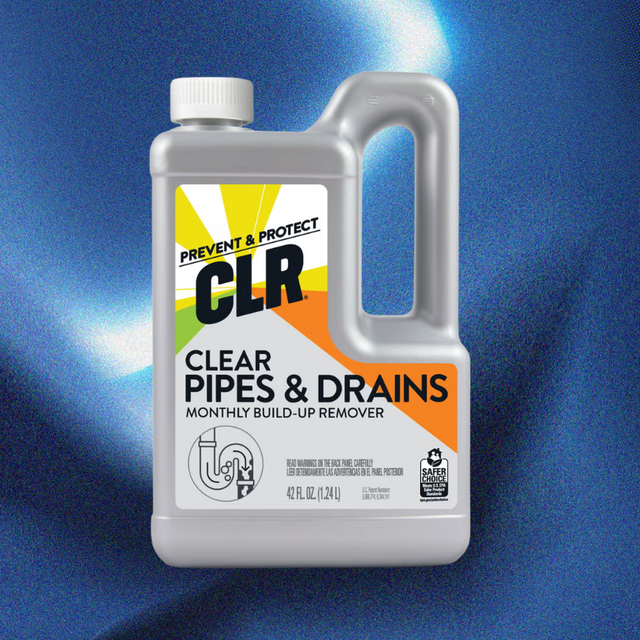
4. Zep Drain Defense Pipe Build-up Remover
This product uses natural enzymes to keep drains clear. It’s safe for toilets and works as a preventive treatment rather than a quick fix for severe clogs.
5. Rid-x Septic Tank Treatment
While mainly used for septic systems, RID-X can be flushed down the toilet to help break down waste and prevent clogs. It’s enzyme-based and septic-safe.
6. Baking Soda And Vinegar
A classic DIY solution for minor clogs. Pour one cup of baking soda followed by two cups of vinegar into the toilet. Let it fizz for at least 30 minutes, then flush with hot (not boiling) water. It’s gentle and eco-friendly but not strong enough for tough clogs.
7. Hot Water And Dish Soap
For small clogs, pour a generous amount of dish soap into the bowl, followed by a bucket of hot water (not boiling, as boiling water can crack porcelain). Wait 10-20 minutes, then flush. This can loosen greasy or soft blockages.
8. Instant Power Septic Shock
This product uses enzymes and bacteria to digest waste in septic tanks and can be used in toilets for tough organic clogs. It’s especially good if you have frequent clogs due to septic system problems.
9. Ecoclean Solutions Enzyme Drain Cleaner
Another enzyme-based formula, this product is safe for all pipes and septic systems. It’s effective for ongoing maintenance and light clogs.
10. Plumbclean Drain Cleaner
A newer enzyme-based option, PlumbClean, is non-toxic and safe for toilets. It’s designed to remove toilet paper and organic buildup without harming pipes.
How To Use A Drain Cleaner In Your Toilet
Using a drain cleaner incorrectly can make the problem worse. Here’s a safe, step-by-step way to use most enzyme or natural drain cleaners in your toilet:
- Read the instructions. Every product is different.
- Pour the recommended amount into the toilet bowl (not the tank).
- Let it sit for the suggested time (usually several hours or overnight).
- Avoid flushing during this time, so the product can work.
- After the waiting period, flush the toilet to see if the clog is cleared.
- For tough clogs, a second application or a plunger may be needed.
With chemical cleaners, always wear gloves and eye protection. Never mix different cleaners, as this can cause dangerous reactions.
What To Avoid When Choosing A Toilet Drain Cleaner
Many products that work well for sinks or showers are not safe for toilets. Here’s what to avoid:
- Acidic or caustic chemicals: Products with sulfuric acid or sodium hydroxide can damage pipes and toilets.
- Bleach-based products: Bleach does not dissolve clogs and can create harmful fumes.
- Crystal drain cleaners: These can harden in pipes, making blockages worse.
- Mixing cleaners: Combining products can cause toxic gases or explosions.
Comparing Popular Toilet Drain Cleaners
To help you choose, here’s a side-by-side comparison of top toilet-safe drain cleaners:
| Product | Type | Safe for Septic | Fast Acting? | Main Use |
|---|---|---|---|---|
| Green Gobbler Enzyme | Enzyme | Yes | No | Clogs, Maintenance |
| Drano Max Build-Up Remover | Enzyme | Yes | No | Maintenance |
| Bio-Clean | Enzyme | Yes | No | Clogs, Maintenance |
| Zep Drain Defense | Enzyme | Yes | No | Maintenance |
| RID-X | Enzyme | Yes | No | Septic, Prevention |
| Baking Soda & Vinegar | Natural | Yes | No | Minor Clogs |
| Hot Water & Dish Soap | Natural | Yes | No | Minor Clogs |
| Instant Power Septic Shock | Enzyme | Yes | No | Septic, Tough Clogs |
| EcoClean Enzyme | Enzyme | Yes | No | Maintenance, Light Clogs |
| PlumbClean | Enzyme | Yes | No | Maintenance, Clogs |
Mechanical Vs. Chemical: When A Plunger Or Auger Is Better
While drain cleaners can help, often the best first step is a toilet plunger or toilet auger. These tools don’t add chemicals to your plumbing or environment. For most toilet clogs, a plunger with a flange (the extra rubber ring at the bottom) creates a strong seal and can clear many blockages in a few pushes.
If the plunger doesn’t work, a toilet auger (also called a closet auger) can reach deeper into the toilet trap to break up or pull out clogs. These are safe for toilets and can fix problems that chemicals can’t.
Comparison: Plunger Vs. Auger Vs. Enzyme Cleaner
| Method | Best For | Speed | Risks | Reusable? |
|---|---|---|---|---|
| Plunger | Soft clogs near toilet trap | Immediate | None if used correctly | Yes |
| Toilet Auger | Deeper or stubborn clogs | Immediate | Possible scratching of porcelain | Yes |
| Enzyme Cleaner | Organic buildup, prevention | 6+ hours | None | No |
How To Prevent Toilet Clogs In The Future
Preventing a clog is easier than fixing one. Here are simple steps to keep your toilet running smoothly:
- Flush only waste and toilet paper. Never flush wipes, paper towels, feminine products, or cotton swabs.
- Use less toilet paper. Too much at once can block pipes.
- Regular enzyme treatments. Use enzyme cleaners monthly to keep pipes clear.
- Fix slow drains early. If you notice slow flushing, treat it before it becomes a complete blockage.
- Check water pressure. Low water flow can make it harder for waste to move through pipes.
- Avoid chemical cleaners. Over time, these can weaken pipes, especially in older homes.
Common Mistakes When Using Toilet Drain Cleaners
Many people make errors that can make a clog worse or even damage their plumbing:
- Using kitchen or tub drain cleaners: These are often too harsh for toilets.
- Pouring boiling water: This can crack the toilet bowl.
- Ignoring repeated clogs: Frequent blockages could mean a bigger plumbing problem.
- Not reading instructions: Each product is different, and using too much or too little can reduce effectiveness.
- Mixing products: Never combine different chemical or enzyme cleaners.
Are Chemical Drain Cleaners Ever Safe For Toilets?
Most chemical drain cleaners are not recommended for toilets. The chemicals can sit in the bowl, damage porcelain, and harm pipes. Also, if the water can’t drain, the chemicals will stay in the toilet, increasing the risk of injury if you try to plunge or use an auger afterward.
Some chemical brands claim to be safe for toilets, but always check for real-world reviews and plumber recommendations before use. Enzyme and bacterial cleaners are almost always safer for your toilet and the environment.
What If A Drain Cleaner Doesn’t Work?
If you’ve tried a safe drain cleaner and the clog remains:
- Wait longer. Some enzyme cleaners take up to 24 hours.
- Try a plunger or auger.
- Check the water level. If it stays high, don’t use more chemical cleaner.
- Never force more product down the toilet. This can cause dangerous reactions.
- If nothing works, call a plumber. There could be a deeper blockage or a problem with the main sewer line.
Environmental Impact Of Drain Cleaners
Many traditional drain cleaners contain harsh chemicals that can pollute water and harm wildlife. Enzyme and bacterial cleaners are a better choice for the environment. These products use natural processes to break down waste, leaving no harmful residue. For more on the environmental effects of drain cleaners, see the Wikipedia page on drain cleaners.
Cost Comparison: Drain Cleaners Vs. Professional Help
It’s tempting to spend a few dollars on a drain cleaner instead of calling a plumber. Here’s a rough cost breakdown:
| Option | Average Cost | Success Rate | Best For |
|---|---|---|---|
| Enzyme Cleaner | $10-20 per bottle | Good for light to medium clogs | Prevention, maintenance |
| Chemical Cleaner | $8-15 per bottle | Low for toilets | Not recommended |
| Plunger | $5-15 one-time | High for most clogs | Immediate clogs |
| Toilet Auger | $25-50 one-time | Very high for tough clogs | Deeper blockages |
| Plumber Visit | $100-300 per visit | Almost certain | Severe or recurring clogs |
Enzyme cleaners and plungers are usually enough for most toilet clogs. If you have frequent problems, the cost of calling a plumber adds up, making preventive care and the right cleaner a smart investment.

Non-obvious Tips For Maintaining A Clog-free Toilet
Many homeowners miss these practical tips:
- Flush twice for heavy waste: If you’ve used a lot of toilet paper, flush once after waste and again for the paper. This reduces the risk of clogs.
- Watch for slow refill: If the water takes a long time to fill after flushing, there may be a partial clog forming.
- Use a water softener: In areas with hard water, mineral buildup can narrow pipes. A softener helps prevent this.
- Don’t ignore gurgling sounds: If your toilet gurgles when other drains are used, it might signal a main line blockage, not just a toilet issue.
Frequently Asked Questions
What Is The Safest Drain Cleaner For Toilets?
The Safest Drain Cleaners For Toilets Are Enzyme-based Or Bacterial Cleaners. They Break Down Organic Waste Without Damaging Pipes, Porcelain, Or Septic Systems. Brands Like Green Gobbler, Bio-clean, And Rid-x Are Good Choices.
Can I Use Drano In My Toilet?
Standard Drano Is Not Safe For Toilets. It Can Damage The Porcelain And Pipes. Only Use Drano Max Build-up Remover, Which Is Enzyme-based And Designed For Toilets.
How Long Should I Leave A Drain Cleaner In My Toilet?
Most Enzyme Cleaners Should Sit Overnight Or At Least 6-8 Hours For Best Results. Always Read The Product Instructions. Chemical Cleaners Act Faster But Are Not Recommended For Toilets.
What If My Toilet Is Still Clogged After Using A Drain Cleaner?
If A Safe Drain Cleaner Doesn’t Work, Try A Toilet Plunger Or Toilet Auger. If These Also Fail, The Clog May Be Deeper In Your Plumbing And You Should Call A Professional Plumber.
Are Homemade Drain Cleaners Effective For Toilets?
Homemade Solutions Like Baking Soda And Vinegar Can Help With Light, Organic Clogs But Are Usually Not Strong Enough For Tough Blockages. They Are Safe To Try For Minor Issues.
Keeping your toilet clog-free comes down to smart choices and regular maintenance. By picking the right drain cleaner for toilets, using it as directed, and avoiding harsh chemicals, you’ll protect your plumbing and your peace of mind. Remember, prevention is better than cure, and most toilet clogs can be avoided with a few simple habits.
If you ever face a stubborn blockage, start with the safest options and don’t hesitate to get professional help if needed. Your toilet, pipes, and wallet will thank you.