
Transmission slipping can be a serious issue. Recognizing the symptoms early can save you time and money.
Have you noticed strange noises or a delay in your car’s response? These could be signs of transmission slipping. Understanding these symptoms is crucial for maintaining your vehicle’s health. Transmission slipping occurs when the gears in your car’s transmission system fail to engage properly.
This can lead to various problems, including reduced performance and potential damage to your car. In this blog post, we’ll explore the common signs of transmission slipping. By the end, you’ll know what to look for and when to seek professional help. Stay tuned to keep your car running smoothly and avoid costly repairs.
Early Warning Signs
Transmission slipping can cause a lot of trouble. Detecting it early can save you from expensive repairs. Knowing the early warning signs helps you act fast. Let’s explore some of these signs below.
Delayed Gear Engagement
Delayed gear engagement is a common sign of transmission slipping. This means a delay occurs when you shift from park to drive. You may notice your car hesitates before moving forward. This pause is not normal. It indicates a problem with the transmission system. Early detection can help you avoid more severe issues.
Unusual Noises
Unusual noises are another early warning sign. These sounds might be grinding, whining, or clunking. They often occur when changing gears. Such noises suggest your transmission is struggling. Addressing these sounds early can prevent further damage. Never ignore these warning sounds. Your car is trying to tell you something is wrong.
Performance Issues
Experiencing performance issues with your car can be frustrating and confusing. Transmission slipping is one of those problems that can significantly impact your driving experience. Let’s delve into some common symptoms of transmission slipping, focusing specifically on performance issues like power loss and difficulty shifting gears.
Power Loss
Power loss is a clear sign of transmission slipping. You might notice your car struggling to accelerate despite pressing the gas pedal hard. This can be particularly alarming if you need to merge onto a highway or overtake another vehicle.
Imagine driving uphill and feeling like your car has suddenly lost its usual strength. This happened to me last summer while driving to a mountain resort. I had to pull over and let my car rest, but I knew I was dealing with a slipping transmission.
If you experience power loss frequently, it’s time to visit your mechanic. Ignoring this symptom can lead to more severe damage and costly repairs.
Difficulty Shifting Gears
Another major performance issue caused by transmission slipping is difficulty shifting gears. You might find your car hesitating or jerking when you try to shift from one gear to another. This can make driving feel less smooth and more stressful.
Think about the last time you drove in heavy traffic. If your car was reluctant to change gears, it probably increased your anxiety levels. Difficulty shifting gears can be a precursor to complete transmission failure.
Ask yourself: Do you often feel a delay when shifting gears? If yes, it’s crucial to get your transmission checked. A professional diagnosis can prevent further complications and ensure safer driving.
Fluid Problems
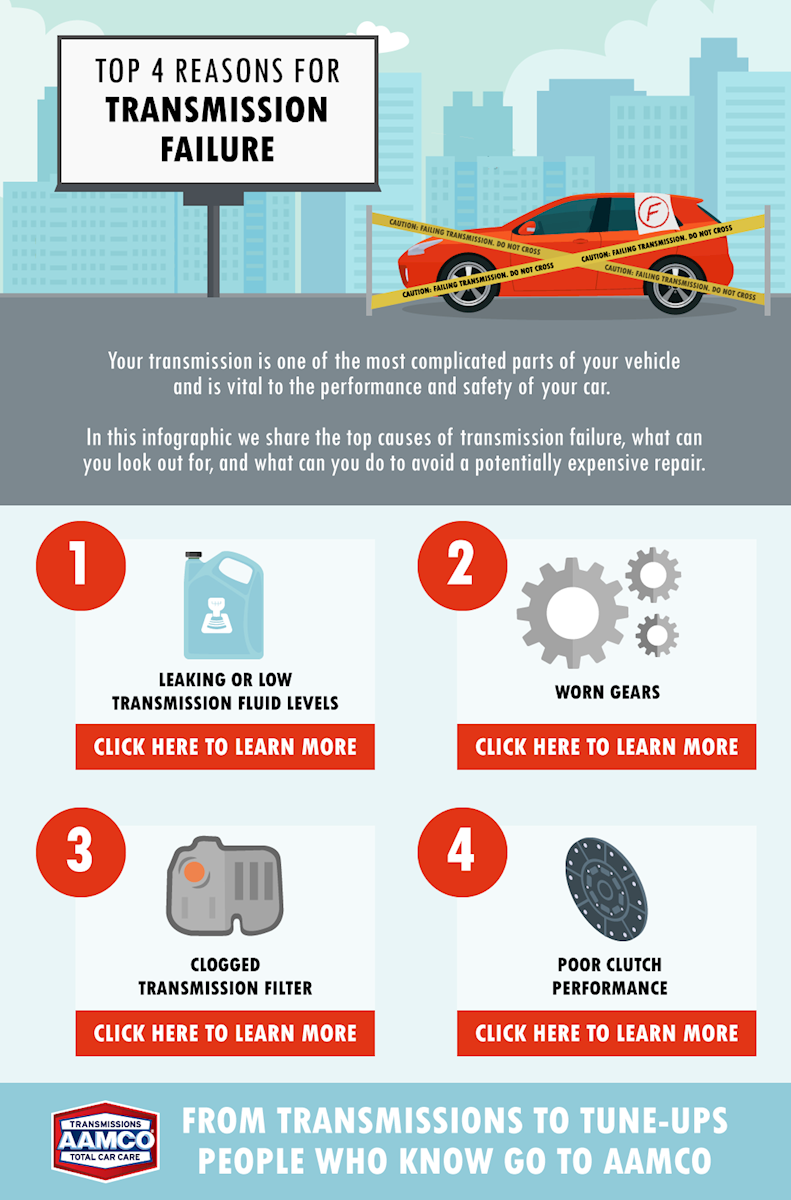
Transmission slipping can happen for many reasons. Fluid problems are a major cause. They can lead to serious issues with your vehicle’s transmission system. Identifying fluid problems early is key to avoiding costly repairs.
Low Fluid Levels
Low fluid levels can cause the transmission to slip. Transmission fluid lubricates and cools the system. Without enough fluid, the transmission can’t work properly. Check the fluid level regularly. Use the dipstick to see if it is low. Top it up if needed.
Leaking fluid is a common cause of low levels. Inspect the ground where you park. Look for red or brown spots. These spots can signal a leak. Fix leaks quickly to avoid bigger problems.
Contaminated Fluid
Contaminated fluid can also cause slipping. Dirt, debris, or metal particles can contaminate the fluid. These contaminants can interfere with the fluid’s ability to lubricate. They can also damage the transmission’s internal parts.
Check the fluid’s color and smell. Healthy fluid is red and has a sweet smell. If it is dark or smells burnt, it may be contaminated. Change the fluid if it looks or smells bad. Regular fluid changes help keep the transmission clean and working well.
Credit: www.aamcoblog.com
Mechanical Failures
Transmission slipping can stem from various mechanical failures. These issues affect the smooth operation of your vehicle. Mechanical failures are common and can be costly if ignored. Understanding these failures helps in maintaining your car’s transmission.
Worn Clutch
A worn clutch is a major cause of transmission slipping. The clutch connects the engine to the transmission. Over time, it wears out. When the clutch is worn, it fails to engage properly. This results in slipping. You might notice a burning smell. Or, the car might struggle to accelerate. Replacing the clutch resolves this issue.
Damaged Gears
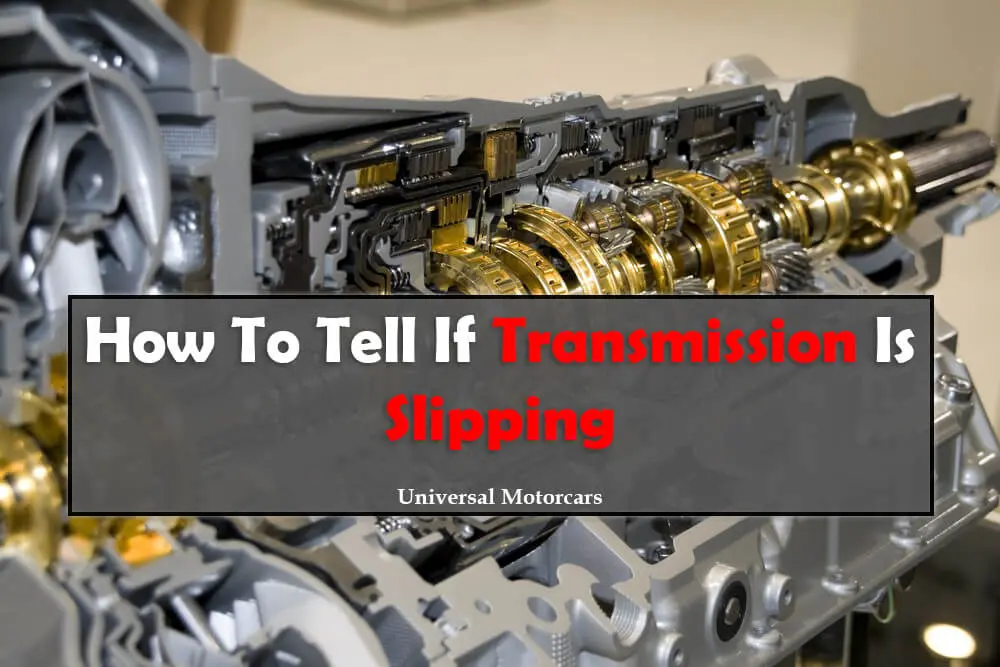
Gears play a crucial role in transmitting power. Damaged gears disrupt this process. They cause the transmission to slip. You might hear grinding noises. The car may also jerk during gear shifts. Damaged gears need immediate attention. Repair or replace them to prevent further damage.
Electrical Malfunctions
Transmission slipping can often be traced to electrical malfunctions. These issues can cause your transmission to behave unpredictably. Electrical malfunctions are common in modern vehicles. They include problems with sensors and software glitches.
Faulty Sensors
Faulty sensors can send incorrect data to the transmission control unit. This can cause your transmission to slip. Sensors measure various parameters like speed, temperature, and pressure. If a sensor fails, it may not relay accurate information. This can confuse the transmission system.
A common faulty sensor is the speed sensor. It measures the speed of your vehicle. If it fails, the transmission may not shift gears properly. Another crucial sensor is the temperature sensor. It monitors the transmission fluid’s temperature. If it malfunctions, it can lead to incorrect adjustments by the transmission system.
Software Glitches
Software glitches can also cause transmission slipping. Modern vehicles rely heavily on software to manage the transmission. A glitch in the software can lead to improper gear shifts. This can make your transmission slip.
Software updates can sometimes fix these glitches. However, in some cases, the issue might persist. It is essential to have your vehicle’s software checked regularly. This ensures that it is up-to-date and functioning correctly.
Preventative Measures
Transmission slipping can be a real headache. But the good news is, you can take steps to prevent it. By following some simple preventative measures, you can keep your transmission in top shape and avoid costly repairs.
Regular Maintenance
Regular maintenance is key to preventing transmission problems. This includes routine check-ups and servicing as recommended by your vehicle manufacturer.
Think of it like going to the dentist for regular cleanings. It might seem unnecessary at the time, but it can save you a lot of pain down the road.
Staying on top of your car’s maintenance schedule helps catch issues before they become serious. You wouldn’t ignore a strange noise from your engine, so don’t ignore maintenance reminders either.
Fluid Checks
Checking your transmission fluid is another simple yet crucial step. Transmission fluid keeps your car’s gears running smoothly and prevents overheating.
Low or dirty fluid can lead to slipping. Make it a habit to check your fluid levels regularly. If you notice it’s low or dirty, top it up or replace it.
Remember to use the right type of fluid for your vehicle. Not all fluids are created equal, and using the wrong one can do more harm than good.
Have you ever ignored your car’s fluid levels and ended up with a bigger problem? It’s a small task that can prevent major issues. Don’t skip it!
By keeping up with regular maintenance and fluid checks, you can enjoy a smoother ride and keep your transmission in good health. What preventative measures do you take to keep your car running smoothly?
Repair Options
Transmission slipping can be a serious issue for your vehicle. Identifying the right repair option is crucial to maintain your car’s performance. Below, we explore two main repair options: DIY fixes and professional services.
Diy Fixes
Feeling handy? Some transmission slipping issues can be tackled at home. Check the transmission fluid level first. Low fluid can cause slipping. Top it up if needed. Inspect the fluid for color and smell. Burnt smell or dark color indicates a problem.
Try adding a transmission conditioner. It can help restore old seals. If the problem persists, inspect the transmission filter. A clogged filter might be the culprit. Replace it if necessary. DIY fixes are cost-effective. But they require time and basic tools.
Professional Services
For more serious issues, consider professional help. Trained mechanics have the right tools. They can diagnose the problem accurately. They will check the transmission system thoroughly. This ensures no underlying issues get missed.
Professional services often come with warranties. This provides peace of mind. Mechanics can perform complex repairs. They might rebuild or replace the transmission. This ensures the vehicle runs smoothly. Though more expensive, professional services are reliable.
Credit: universalmotorcarslv.com
When To Replace
Transmission slipping can cause many issues for your vehicle. Knowing when to replace the transmission can save you time and money. This section will guide you through the key indicators.
Severe Damage
If the transmission shows severe damage, replacement may be necessary. Look for signs like burning smells, loud noises, and fluid leaks. These issues often indicate serious internal problems. Repair costs may be high, making replacement a better option.
Cost-benefit Analysis
Consider the cost-benefit analysis before deciding to replace your transmission. Compare the cost of repairs to the cost of a new transmission. Repairs may seem cheaper, but frequent issues can add up. A new transmission might offer better long-term value.

Credit: www.aamcoutah.com
Frequently Asked Questions
What Does Transmission Slipping Feel Like?
Transmission slipping feels like a delay in acceleration, engine revving without speed increase, or jerky gear changes.
How Do You Fix Transmission Slipping?
To fix transmission slipping, check fluid levels, replace old fluid, and inspect for worn components. Consult a professional mechanic if needed.
Can I Still Drive My Car If The Transmission Is Slipping?
No, driving with a slipping transmission can be dangerous. It can lead to further damage and costly repairs. Consult a mechanic promptly.
How Much Does It Cost To Fix A Transmission Slip?
Fixing a transmission slip can cost between $150 and $2,500. The price varies depending on the severity and vehicle model.
Conclusion
Recognizing transmission slipping symptoms is crucial for vehicle health. Early detection can prevent costly repairs. Watch for warning signs like gear changes, strange noises, or fluid leaks. Regular maintenance helps keep your transmission in top shape. Consult a professional if you suspect issues.
Protect your vehicle by staying alert and informed. Your car will thank you with smoother rides and longer lifespan. Stay proactive and ensure a worry-free driving experience.
One Response