
How to Fix a Car Seat Cover, loose, or looking worn out? Fixing it yourself might seem tricky, but with the right approach, you can restore your seat’s comfort and style without spending a fortune.
Whether it’s a small tear or a loose cover, you’ll learn simple, effective ways to repair or replace it step-by-step. By following these easy tips, you’ll protect your car’s interior and keep it looking fresh for years to come. Ready to bring your car seat cover back to life?
Let’s dive in and get started!
Common Car Seat Cover Issues
Car seat covers protect your seats but face common problems over time. These issues can affect comfort, appearance, and safety. Knowing typical problems helps you fix them quickly and keep your car looking good. Understanding damage types and causes helps with proper care and repair.
Types Of Damage
Tears and rips happen often, especially on fabric or leather covers. Small cuts can grow bigger if not fixed early. Stains from food, drinks, or dirt can leave marks that are hard to remove. Fading occurs due to sun exposure, making colors look dull. Loose stitching or seams can cause covers to come apart. Sometimes, the material wears thin and becomes weak.
Causes Of Wear And Tear
Daily use causes friction and pressure on seat covers. Sharp objects like keys or tools can cause punctures or scratches. Pets may scratch or chew on the covers. Spills from drinks or food lead to stains and damage. Sunlight breaks down materials, causing fading and cracking. Sweat and moisture also weaken fabrics and leather over time.
Tools And Materials Needed
Fixing a car seat cover requires having the right tools and materials. These items help make the repair process smoother and more effective. Preparing everything beforehand saves time and effort. Below are key tools and materials needed for common car seat cover repairs.
Basic Repair Kit
A basic repair kit usually includes scissors, a utility knife, and a measuring tape. These tools help cut and shape patches accurately. A set of tweezers can assist in handling small pieces. Having a clean cloth or brush is useful to clean the area before repair. Gloves protect your hands during the process.
Adhesives And Patches
Strong adhesives designed for fabric or vinyl are essential. They bond torn sections securely and prevent further damage. Vinyl repair kits often come with color-matching patches. Fabric patches work well for cloth seat covers. Make sure patches are slightly larger than the tear for full coverage.
Sewing Supplies
Sewing can fix medium to large tears that adhesives cannot hold. You will need heavy-duty needles and strong thread. Polyester or nylon threads work best for durability. A thimble helps push the needle through thick material. Sewing kits may also include small scissors and pins to hold fabric in place.
Fixing Small Tears And Holes
Small tears and holes in car seat covers can worsen over time. Fixing these issues early extends the cover’s life. Simple repairs often restore the seat’s look and function quickly. Below are some easy methods to handle minor damage.
Using Fabric Glue
Fabric glue is perfect for small tears. Clean the area around the tear first. Apply glue carefully along the edges of the tear. Press the fabric together firmly. Let it dry for several hours before use. This method keeps the repair flexible and less visible.
Applying Patches
Patches work well for slightly bigger holes. Choose a patch that matches your seat cover material. Cut the patch to cover the hole with some extra margin. Attach it using fabric glue or by sewing it on. Make sure the patch lies flat to avoid discomfort. This method adds strength to the damaged area.
Heat Repair Methods
Heat repair kits suit synthetic seat covers. These kits use heat to bond the torn edges. Follow the instructions carefully for safe use. Heat melts the cover material slightly, sealing the tear. This method creates a strong, lasting fix. It works best on vinyl and leather covers.
Repairing Medium To Large Tears
Medium to large tears in car seat covers need careful attention. These damages can worsen without prompt repair. Fixing them restores comfort and extends seat life. Different methods suit various tear sizes and fabric types. Choose the right approach for a strong, neat repair.
Sewing Techniques
Sewing is a reliable way to repair tears. Use heavy-duty thread matching the seat cover color. Hand stitching gives control over tight spaces. A curved needle works well for thick materials. Stitch edges closely to prevent the tear from growing. Double stitching adds extra strength. Take your time to keep stitches even and tight.
Replacing Damaged Sections
For large tears, replacing the damaged section can be best. Cut out the torn area neatly. Find matching fabric from a repair kit or old seat cover. Attach the patch with fabric glue or sew it securely. Ensure edges align well with the original cover. This method hides damage and keeps the seat strong. It might need more skill but lasts longer.
Using Professional Kits
Professional repair kits offer tools and materials for tough fixes. They include patches, adhesives, and sometimes heat tools. Follow instructions carefully for best results. Kits work on leather, vinyl, and fabric covers. They provide a clean finish and durable repair. Kits save time and give a near-new look to your seat.
Dealing With Burnt Or Scorched Covers
Burnt or scorched car seat covers can ruin your vehicle’s interior look. Small burns may seem minor, but can quickly worsen without care. Proper handling helps maintain seat cover life and keeps the car interior neat. Follow these steps to fix or decide on a replacement.
Assessing Damage
Check the size and depth of the burn mark carefully. A small surface scorch may only affect the top layer. Deep burns might melt or weaken the fabric or leather. Look for holes, discoloration, or stiff patches. Take note if foam padding underneath is visible or damaged. This helps decide repair or replacement options.
Quick Patch Solutions
Use fabric glue or leather repair kits for small burns. Clean the area before applying any patch or adhesive. Cut a matching fabric piece slightly larger than the damaged spot. Attach it firmly and smooth out any wrinkles. For leather, use color-matching filler and conditioner to blend the patch. These quick fixes work best for minor damage and save cost.
When To Replace
Replace seat covers if burns cover large areas or create holes. Deep burns that affect padding need new covers for comfort and safety. Also consider replacement if color changes are too visible. Worn-out covers reduce your car’s value and appeal. Professional installation can restore the seat’s original look perfectly.
Slip-on Seat Cover Adjustments
Slip-on seat covers offer a quick way to protect and refresh your car seats. Adjusting these covers ensures they stay in place and look neat. Proper adjustments improve durability and comfort during drives. Follow simple steps to fix common slip-on cover issues.
Proper Installation Tips
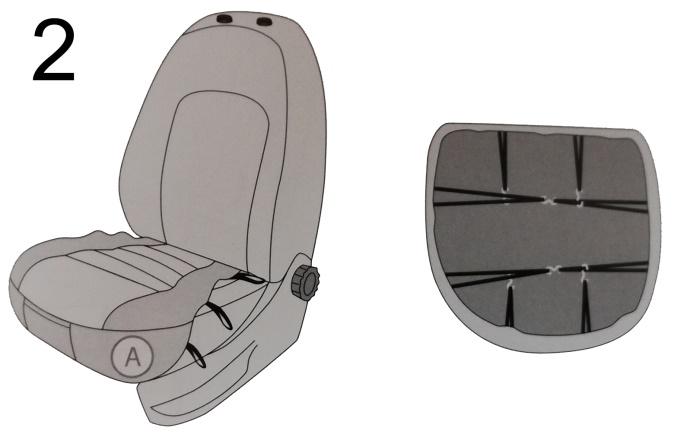
Start with a clean seat before placing the cover. Align the cover with the seat’s shape carefully. Pull the cover down evenly on all sides. Secure any straps or hooks under the seat firmly. Smooth out wrinkles to avoid folds and bumps. Check that airbag areas remain unobstructed for safety.
Fixing Loose Covers
Loose covers can slide or bunch up during use. Tighten straps or elastic bands under the seat. Use additional clips or fasteners if needed. Tuck excess fabric into seat crevices for a tighter fit. Avoid overstretching the cover to prevent tears. Regularly adjust the cover to maintain a snug hold.
Enhancing Fit And Comfort
Add foam pads or cushions under the cover for extra comfort. Choose covers made from breathable materials to reduce heat. Make sure the cover does not block seat controls or belts. Check for any rough seams that may cause discomfort. Replace worn covers promptly to keep the seat cozy and secure.
Full Upholstery Replacement Basics
Replacing the full upholstery of a car seat cover requires careful steps. This process restores the seat’s look and feel completely. It involves removing old covers, stretching new material properly, and safely reinstalling the seats. Each step ensures a neat and secure finish.
Removing Old Covers
Start by detaching the car seat from the vehicle. Use tools like screwdrivers or pliers to remove bolts and clips. Carefully peel off the old upholstery without damaging the foam underneath. Take note of how the cover fits to help with the new installation.
Stretching And Securing New Material
Place the new fabric over the seat frame evenly. Pull the material tight to avoid wrinkles or loose spots. Use hog rings, clips, or adhesive to secure the fabric in place. Make sure the seat shape remains comfortable and smooth.
Reinstalling Seats Safely
Align the seat back into its original position in the car. Tighten all bolts and fasteners securely to avoid movement during driving. Check the seatbelt and electrical connections if present. Test the seat stability before finishing the job.

Protecting Your Seat Covers
Protecting your car seat covers helps keep them looking new longer. Taking care of seat covers prevents damage from daily use. Small efforts can save you money on costly repairs later. Follow simple steps to maintain durability and cleanliness.
Choosing Durable Materials
Select seat covers made from strong fabrics like leather or heavy-duty polyester. These materials resist tears and stains better than thin cloth. Durable covers last longer under constant use. Pick colors that hide dirt to keep seats neat.
Regular Cleaning And Maintenance
Clean seat covers often to remove dust and spills. Use gentle cleaners suited for the cover material. Avoid harsh chemicals that can weaken fabric. Vacuum covers weekly to get rid of crumbs and debris. Promptly treat stains to prevent permanent marks.
Using Protective Accessories
Use seat protectors to shield covers from pets and heavy objects. Consider waterproof liners for rainy or snowy conditions. Sunshades help reduce fading caused by sunlight exposure. Add cushions for extra comfort and less wear on seat covers.
When To Seek Professional Help
Knowing when to seek professional help for fixing a car seat cover saves time and prevents damage. Some repairs need special skills and tools beyond basic DIY methods. Identifying these cases ensures your car seat stays safe and looks good.
Complex Upholstery Jobs
Large tears or deep cuts in the fabric require expert attention. Professionals can remove the seat and work on it properly. Matching materials and stitching styles is easier for them. DIY fixes on complex jobs might worsen the damage.
Handling Heated Or Ventilated Seats
Seats with heating or cooling features have wires inside. Repairing these covers without damaging the system is tricky. Professionals know how to avoid cutting or shorting wires. Incorrect repairs can cause seat malfunctions or electrical problems.
Safety Considerations
Car seats have airbags and safety sensors built in. Cover repairs near these parts must be precise to avoid interference. Professionals understand how to work around safety features. Poor repairs may reduce the seat’s protection in accidents.
Frequently Asked Questions
Can Car Seat Covers Be Repaired?
Yes, car seat covers can be repaired using adhesive for small tears, sewing for medium damage, and patches for larger rips. DIY repairs save money but need proper tools and patience. Regular protection with seat covers extends seat life and durability.
How To Fix A Torn Car Seat Cover?
Fix a torn car seat cover by cleaning the area, applying fabric glue for small tears, sewing medium tears, or using patches for large holes. Ensure the patch matches the seat material. Let glue dry fully before use. Consider professional repair for extensive damage.
Do Local Fire Departments Install Car Seats?
Local fire departments generally do not install car seats. Check with certified child passenger safety technicians for proper installation help.
Can You Replace Car Seat Covers?
Yes, you can replace car seat covers by installing slip-on covers or fully reupholstering seats for a fresh look. DIY slip-on covers fit easily over existing seats. Professional reupholstery offers custom, durable upgrades requiring seat removal and specialized tools.
Conclusion
Fixing a car seat cover can save money and keep your car looking nice. Small tears need glue, while bigger ones might require sewing or patches. Take your time and use the right tools for the best results. Protect your seats with covers to avoid future damage.
With patience and care, your seat cover can look almost new again. Keep these simple steps in mind for easy, effective repairs. Your car’s interior will thank you for the effort.