
Best oil for oil burning engine How to Choose the Right Motor Oil
An engine that keeps losing oil can be frustrating, especially when you have to check the dipstick frequently or add another quart before your next oil change. You might notice blue smoke from the exhaust, a burning smell, or an oil warning light that appears more often than it should. These signs can indicate that your engine is consuming oil or developing a mechanical problem that needs attention.
Choosing the right motor oil can help protect engine components, maintain proper lubrication, and sometimes reduce excessive oil consumption. However, the right choice depends on the vehicle’s age, mileage, engine design, and the underlying reason for the oil loss. Using an oil that is too thick or does not meet the manufacturer’s specifications may create additional problems instead of solving the original one.
This guide explains how to select suitable engine oil, what different oil types offer, which warning signs to watch for, and how to protect an engine that uses more oil than expected. Whether you drive an older car or a high-mileage vehicle, understanding these basics can help you make a more informed maintenance decision.
What Does It Mean When an Engine Burns Oil?
Engine oil lubricates moving parts, reduces friction, helps control heat, and protects internal surfaces from wear. Under normal operating conditions, a small amount of oil may be consumed in some engines, but a sudden or substantial increase in consumption deserves attention.
Oil burning occurs when lubricant enters the combustion chamber and burns along with the air-fuel mixture. It can also happen when oil reaches hot exhaust components through a leak, producing a burning smell without necessarily entering the combustion chamber.
Common warning signs include:
- Blue or blue-gray smoke coming from the exhaust.
- An oil level that drops noticeably between services.
- A burning-oil smell after driving.
- Oily deposits around engine components.
- Spark plugs contaminated with oil.
- Frequent low-oil warnings or repeated top-ups.
Not every sign points to the same problem. For example, a burning smell may come from oil leaking onto a hot exhaust manifold, while persistent blue exhaust smoke may suggest internal oil consumption.
The first step is to determine where the oil is going. A qualified mechanic can inspect the engine for external leaks, check the crankcase ventilation system, and perform further tests if internal wear is suspected.
What Is the Best Oil for an Oil-Burning Engine?
The most suitable oil depends on the cause and severity of the oil consumption. In some cases, switching to a high-quality oil with the correct specifications may help control consumption. In others, the engine needs mechanical repairs rather than a different lubricant.
When comparing products, prioritize the manufacturer’s recommended viscosity, required performance standards, and any specific oil approvals listed in the owner’s manual.
1. High-Mileage Engine Oil
High-mileage motor oil is formulated for vehicles that have accumulated substantial mileage. Depending on the product, it may contain conditioners intended to help maintain seal flexibility, detergents that manage deposits, and additives that protect against wear.
This type of oil may be worth considering if your older vehicle has mild oil consumption or minor seepage and the product meets the engine’s requirements.
However, high-mileage oil cannot restore worn piston rings, repair damaged valve seals, or fix a major gasket leak. Results vary according to the engine’s condition and the formulation of the oil.
Before switching, confirm that the product’s viscosity and specifications are appropriate for your vehicle. High mileage alone does not automatically mean you need a thicker lubricant.
2. Full Synthetic Engine Oil
Full synthetic oil is designed to provide consistent lubrication across a range of operating temperatures. Depending on its formulation, it may offer good resistance to oxidation, deposit formation, and evaporation.
These characteristics can be helpful in engines that operate under demanding conditions, including frequent stop-and-go traffic, high temperatures, or extended highway driving.
A quality synthetic oil that meets the required specifications may support engine protection and help manage oil consumption. Nevertheless, synthetic oil is not a guaranteed fix for an engine that already burns excessive amounts of lubricant.
If your vehicle requires a specific synthetic formulation, continue using an approved product rather than changing to an incompatible oil simply because another option is marketed as better.
3. Conventional Motor Oil
Conventional oil can still be suitable for engines whose manufacturers approve it. It is generally less expensive than many synthetic alternatives, making it an option for certain older vehicles.
The important consideration is whether the oil meets the engine’s required viscosity and performance standards. A conventional product that fails to meet those requirements is not a good choice just because it is affordable.
Some older engines may benefit from a different approved viscosity, but the decision should be based on the manufacturer’s recommendations and the engine’s condition, not simply its age.
4. Synthetic Blend Oil
Synthetic blend oil combines conventional and synthetic base oils. It can offer a balance of cost and performance, depending on the formulation.
For some vehicles, a synthetic blend that meets the required specifications is a practical maintenance option. However, there is no universal rule that a synthetic blend will reduce oil consumption more effectively than conventional or full synthetic oil.
Compare the product’s technical specifications and intended applications rather than relying on the oil category alone.
How to Choose the Correct Oil Viscosity
Viscosity describes how easily oil flows at different temperatures. You will usually see a grade such as 5W-30, 5W-40, or 10W-40 printed on an oil container.
The first number, followed by W, relates to cold-temperature performance. The second number indicates the oil’s viscosity classification at operating temperature under standardized testing conditions.
An engine designed for 5W-30 should not automatically be switched to 10W-40 because it consumes oil. A different grade may help in certain circumstances, but it must be approved for that engine.
When a Thicker Oil May Help
In some older or worn engines, a manufacturer-approved higher-viscosity oil may reduce the amount of lubricant passing through increased internal clearances. The effect depends on the engine design, temperature, wear, and the cause of consumption.
For example, if the owner’s manual permits both 5W-30 and 5W-40 under the relevant operating conditions, a mechanic may recommend evaluating the alternative grade.
However, thicker oil is not always better. It may flow less readily during cold starts, affect systems designed for low-viscosity oil, or fail to meet requirements for variable valve timing and other engine technologies.
Why the Owner’s Manual Matters
Your owner’s manual is the most reliable starting point for choosing oil. It identifies the recommended viscosity and may specify standards such as API, ILSAC, or ACEA, along with manufacturer-specific approvals.
These requirements are important because two oils with the same viscosity grade can have different performance characteristics.
If you cannot find the information in the manual, check the vehicle manufacturer’s official maintenance information or ask a qualified service professional. Do not select a grade based only on a recommendation for a different vehicle.
Common Reasons an Engine Burns Oil
Selecting suitable lubricant is only part of the solution. Understanding the underlying cause helps you avoid wasting money on repeated oil changes that do not address the problem.
Worn or Stuck Piston Rings
Piston rings help seal the combustion chamber and control the oil film on the cylinder walls. When rings become worn, damaged, or stuck by deposits, more oil may enter the combustion chamber.
Possible symptoms include blue exhaust smoke, reduced engine performance, or increased oil consumption. A mechanic may recommend compression testing, a leak-down test, or other diagnostic procedures to evaluate the condition of the engine.
Changing oil viscosity alone will not repair damaged rings.
Worn Valve Stem Seals
Valve stem seals help limit the amount of oil that reaches the combustion chambers through the valves. As these seals deteriorate, oil can pass into areas where it may burn.
Some drivers notice a puff of blue smoke after starting the vehicle or following a period of idling. These symptoms can have other causes, so a proper inspection is needed before replacing components.
External Oil Leaks
Oil may escape through a worn gasket, damaged seal, loose filter, or other leaking component. The oil level can fall even if the engine is not burning the lubricant internally.
Look for fresh oil spots under the parked vehicle or oily residue around accessible engine areas. Remember that some leaks only occur when the engine is running, and underbody panels may hide the evidence.
A mechanic can identify the leak and determine whether a gasket, seal, filter, or another component needs attention.
Faulty Crankcase Ventilation
The positive crankcase ventilation (PCV) system helps manage gases that pass into the crankcase during engine operation. If the system becomes blocked or malfunctions, pressure may rise and contribute to oil leaks or increased oil consumption.
A faulty PCV valve or related component can sometimes be relatively inexpensive to repair compared with major internal engine work. It is therefore worth including the ventilation system in a professional diagnosis.
Turbocharger Problems
In turbocharged engines, worn turbocharger components or damaged seals may allow oil to enter the intake or exhaust system.
Potential signs include increased oil consumption, blue smoke, unusual noises, or reduced performance. These symptoms do not prove that the turbocharger is faulty, so testing is necessary before replacing it.
How to Reduce Oil Consumption Safely
Although the correct oil may help in some situations, consistent maintenance and accurate diagnosis are equally important.
Check the oil level regularly. Park on a level surface and follow the owner’s manual instructions for checking the dipstick or electronic oil-level system. Check more frequently if you have already noticed consumption.
Top up with the correct oil. Use a product that meets the required specifications and add it gradually. Avoid overfilling, which can cause its own engine problems.
Follow the recommended service schedule. Old or contaminated oil may lose some of its protective properties. Use the specified service interval, adjusting it when the manufacturer recommends doing so for severe operating conditions.
Inspect for leaks. Ask a mechanic to check the oil filter, drain plug, gaskets, seals, and other common leak points.
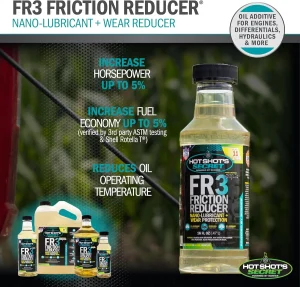
Avoid unnecessary additives. Aftermarket treatments may make claims about reducing smoke or consumption, but they cannot reliably repair mechanical damage. Some additives can also affect the carefully balanced formulation of engine oil. Check the vehicle manufacturer’s guidance before using them.
Monitor changes. Record the odometer reading whenever you top up the oil and note how much you add. This information can help a mechanic evaluate whether consumption is increasing.
These simple steps can help you maintain a safe oil level while arranging any necessary repairs.
How to Compare Engine Oils Before Buying
Oil labels can look confusing, but a few checks make the selection process easier.
First, confirm the viscosity grade recommended for your vehicle. Second, check the performance standards and manufacturer approvals. Third, consider whether a high-mileage formulation or synthetic oil is appropriate for your engine and budget.
Choose products from reputable manufacturers and buy from reliable sellers to reduce the risk of counterfeit or incorrectly stored oil. Keep the container’s label available so you can confirm the specifications later.
It is also helpful to compare the product’s technical data sheet when available. Information about applicable standards, intended applications, and performance claims can provide more useful guidance than advertising language alone.
If two products meet all the required specifications, you can compare their price, availability, and service recommendations. There is no need to pay extra for a premium label if the product does not offer a relevant advantage for your particular vehicle.
When Should You See a Mechanic?
Do not rely on a different oil grade if the engine is consuming lubricant rapidly. Persistent blue smoke, repeated low-oil warnings, visible leaks, unusual engine noises, or a sudden change in oil consumption all deserve prompt attention.
If the oil-pressure warning light comes on while driving, stop safely as soon as possible and switch off the engine. Follow the vehicle manufacturer’s instructions before restarting. Driving with insufficient oil pressure can cause serious engine damage.
A mechanic may inspect the PCV system, test engine compression, perform a leak-down test, examine spark plugs, or assess the turbocharger where applicable. The appropriate checks depend on the vehicle and symptoms.
Ask for a clear explanation of the findings and a repair estimate before approving major work. In some cases, a minor leak or ventilation fault is responsible; in others, internal engine wear may require more extensive repairs.
Frequently Asked Questions
Can thicker oil stop an engine from burning oil?
A higher-viscosity oil may reduce consumption in some worn engines if the manufacturer permits that grade. However, it will not reliably solve every problem and may be unsuitable for engines designed for thinner oil. Confirm compatibility before changing viscosity.
Is synthetic oil better for an engine that burns oil?
A suitable synthetic oil may offer good resistance to heat, oxidation, and deposits. However, synthetic oil does not automatically eliminate oil consumption. The product must meet the vehicle’s requirements, and mechanical faults still need to be diagnosed.
Should I use high-mileage oil in an older car?
High-mileage oil may be appropriate for some older vehicles, especially when consumption is mild. Check the recommended viscosity and specifications first, because an older engine does not necessarily require a different grade.
Can I keep driving if my engine burns oil?
That depends on the severity and cause. If the level remains within the approved range and there are no serious warning signs, you may be able to drive while arranging an inspection. Check the level frequently and never ignore an oil-pressure warning, severe smoke, or unusual engine noise.
How often should I check the oil?
Follow the manufacturer’s guidance, and check more often when you notice oil consumption. For a vehicle with a known issue, checking at every fuel stop or at another consistent interval recommended by your mechanic can help you identify a falling level before it becomes dangerous.
Final Thoughts
Choosing the right lubricant can make a meaningful difference to engine protection, but it is only one part of managing oil consumption. The most suitable product depends on the engine’s design, the required specifications, and the reason the oil level is dropping.
When researching the best oil for oil burning engine, start with your owner’s manual, compare approved products, and consider a high-mileage or synthetic formulation only when it suits your vehicle. Avoid changing to a thicker grade without checking compatibility, and do not expect an oil additive to repair worn engine parts.
Most importantly, monitor the oil level and investigate unusual consumption early. A timely inspection can help identify a minor issue before it becomes a costly repair. With the right maintenance approach, you can make better decisions about engine oil, protect important components, and keep your vehicle running as reliably as possible.