Which Brand is Best for Television: A Complete Guide
Buying a new television can feel confusing. There are so many brands, features, and price ranges. You might wonder, “Which brand is best for television? ” The answer depends on your needs, budget, and the latest technology. Today, television brands offer more than just good picture quality.
They provide smart features, stylish designs, and reliable service.
This article will help you understand the top television brands, compare their strengths, and guide you to the best choice. Whether you want a TV for movies, sports, gaming, or everyday watching, you’ll find clear answers here. You’ll learn about picture quality, smart functions, durability, and hidden details that many buyers miss.
By the end, you’ll know which television brand fits your home and lifestyle.
The Most Popular Television Brands
Let’s start with the main players in the television market. Each brand has its own reputation, strengths, and areas where it shines. Here are the top brands you should know:
- Samsung
- LG
- Sony
- TCL
- Hisense
- Panasonic
- Vizio
- Philips
- Sharp
- Mi (Xiaomi)
- OnePlus
- Toshiba
- JVC
- Vu
- Sanyo
- Blaupunkt
- Haier
- Realme
- Motorola
- Onida
Each brand has unique strengths. Some focus on high-end technology, some on affordable prices, and some on smart features. Let’s explore each brand in detail.
Samsung
Samsung is one of the most recognized television brands worldwide. The company leads the market with advanced technology and stylish designs.
- Picture Quality: Samsung TVs often use QLED panels. These panels deliver bright colors, deep blacks, and high contrast. The picture is clear even in bright rooms.
- Smart Features: Samsung uses the Tizen operating system. This system is fast, easy to use, and supports many apps like Netflix, YouTube, and Amazon Prime.
- Models and Sizes: Samsung offers TVs from 24 inches up to 85 inches. You can find flat and curved screens.
- Durability: Samsung televisions are reliable and last many years with proper care.
- Special Features: Samsung is known for its The Frame TV that looks like a piece of art on your wall.
- Price Range: Mid to high. Entry models start around $400, while premium models can cost over $2000.
Non-obvious insight: Samsung’s QLED TVs are less prone to screen burn-in compared to OLED TVs, making them ideal for gamers and sports fans.
Lg
LG is famous for its innovative OLED technology and smart webOS platform.
- Picture Quality: LG’s OLED TVs are known for perfect blacks, vivid colors, and wide viewing angles. OLED is different from QLED; each pixel lights up independently.
- Smart Features: LG’s webOS is user-friendly and smooth. It supports voice control through Google Assistant and Alexa.
- Models and Sizes: LG offers everything from basic LED TVs to high-end OLED and NanoCell TVs. Sizes range from 32 inches to 88 inches.
- Durability: OLED panels are delicate, but LG adds protection to prevent screen burn-in.
- Special Features: LG’s Gallery Series TVs are ultra-thin and fit flush against the wall.
- Price Range: Mid to high. OLED models start at $1000 and can go up to $5000.
Non-obvious insight: LG’s OLED TVs are best for movie lovers who value picture quality, but they need careful handling to avoid permanent marks from static images.
Sony
Sony stands out for its premium build quality and excellent processing technology.
- Picture Quality: Sony uses both OLED and LED panels. The X-Reality Pro and Cognitive Processor XR improve clarity and color accuracy.
- Smart Features: Sony TVs run on Google TV. You get easy access to apps, voice search, and Chromecast built-in.
- Models and Sizes: Sony offers TVs from 32 inches to 85 inches, including 4K and 8K resolutions.
- Durability: Sony TVs are robust and offer long-term reliability.
- Special Features: Sony’s Master Series targets professionals and enthusiasts who want top-quality.
- Price Range: High. Entry models start at $500, premium models reach $6000.
Non-obvious insight: Sony’s motion handling is superior, making their TVs excellent for watching sports and action movies.
Tcl
TCL is popular for its affordable yet feature-rich TVs.
- Picture Quality: TCL uses QLED and Mini LED technology in premium models. Entry models use standard LED panels.
- Smart Features: TCL TVs use Roku TV or Android TV depending on the model.
- Models and Sizes: Sizes from 32 inches to 75 inches. 4K resolution is common even in budget models.
- Durability: TCL TVs last well with moderate use.
- Special Features: TCL’s 6-Series offers QLED at a low price.
- Price Range: Low to mid. Prices start at $200, premium models around $800.
Non-obvious insight: TCL’s Mini LED models deliver near-OLED quality at a much lower price, but their sound systems are often basic.
Hisense
Hisense offers good value for money with smart features and decent picture quality.
- Picture Quality: Hisense uses ULED and Quantum Dot technology for better colors.
- Smart Features: Hisense TVs run Android TV or VIDAA OS.
- Models and Sizes: Choices from 32 inches to 75 inches. 4K and HDR are standard.
- Durability: Reliable for the price, but lower-end models may have shorter lifespans.
- Special Features: Hisense’s Laser TV uses a projector-like technology for huge screens.
- Price Range: Low to mid. Entry models are under $300, high-end models are around $1500.
Non-obvious insight: Hisense’s ULED TVs offer better color accuracy than most budget brands, but their app support can be limited.
Panasonic
Panasonic is known for durable TVs and solid picture quality, especially in Asia and Europe.
- Picture Quality: Panasonic’s high-end models use OLED panels. The color calibration is excellent.
- Smart Features: Panasonic TVs use my Home Screen OS, which is simple but not as advanced as Android TV.
- Models and Sizes: Range from 32 inches to 65 inches.
- Durability: Panasonic TVs are built to last. Their panels resist screen burn-in.
- Special Features: Panasonic’s Hollywood-tuned TVs are popular for cinematic viewing.
- Price Range: Mid to high. Entry models start at $400, premium models up to $2500.
Non-obvious insight: Panasonic’s TVs are preferred by filmmakers for their accurate color reproduction.
Vizio
Vizio is a major brand in North America, focusing on affordable smart TVs.
- Picture Quality: Vizio’s P-Series uses Quantum Color for bright, rich visuals. Entry models use standard LED.
- Smart Features: Vizio’s SmartCast platform is easy to use and supports Chromecast and Apple AirPlay.
- Models and Sizes: 24 inches to 85 inches. 4K is common.
- Durability: Vizio TVs are reliable but sometimes face software issues.
- Special Features: Vizio’s OLED models are priced lower than competitors.
- Price Range: Low to mid. TVs start at $150, premium models up to $1800.
Non-obvious insight: Vizio offers high refresh rates in mid-range models, which is great for gaming.
Philips
Philips brings unique features like Ambilight and solid European engineering.
- Picture Quality: Philips uses LED and OLED panels. Ambilight projects color onto the wall behind the TV.
- Smart Features: Runs on Android TV and supports Google Assistant.
- Models and Sizes: 32 inches to 65 inches.
- Durability: Philips TVs are well-built and reliable.
- Special Features: Ambilight makes Philips TVs stand out in dark rooms.
- Price Range: Mid. Entry models at $300, premium OLED models around $2000.
Non-obvious insight: Ambilight can reduce eye strain during long viewing sessions.
Sharp
Sharp is famous for affordable TVs and reliable performance.
- Picture Quality: Sharp uses LED panels with good brightness but average color depth.
- Smart Features: Most Sharp TVs use Android TV or custom smart platforms.
- Models and Sizes: 32 inches to 70 inches.
- Durability: Sharp TVs are sturdy and last well.
- Special Features: Sharp’s Aquos series was once a leader in LCD technology.
- Price Range: Low to mid. Most models under $800.
Non-obvious insight: Sharp TVs are a good choice for basic home use, but not for advanced gaming or cinematic viewing.
Mi (xiaomi)
Mi (Xiaomi) is rising fast in the television market, especially in Asia.
- Picture Quality: Mi uses LED and QLED panels. Picture quality is decent for the price.
- Smart Features: Mi TVs use PatchWall and Android TV. They support voice control.
- Models and Sizes: 32 inches to 65 inches.
- Durability: Mi TVs are reliable for 3–5 years with normal use.
- Special Features: Mi TVs offer a lot of ports and easy connectivity.
- Price Range: Low. Most models are between $150 and $700.
Non-obvious insight: Mi TVs are great for people on a tight budget, but their speakers are often basic.
Oneplus
OnePlus brings premium design and smart features to its TVs.
- Picture Quality: Uses QLED and LED panels with good contrast.
- Smart Features: Runs Android TV with custom OnePlus enhancements.
- Models and Sizes: 32 inches to 55 inches.
- Durability: OnePlus TVs are solid, but the software may need updates.
- Special Features: Gamma Engine improves picture clarity.
- Price Range: Low to mid. Most models range from $200 to $800.
Non-obvious insight: OnePlus TVs are stylish and offer good value, but their brand is still new in the TV market.
Toshiba
Toshiba is a trusted name with reliable TVs and smart functions.
- Picture Quality: Uses LED panels. Premium models offer Dolby Vision support.
- Smart Features: Runs Android TV or Fire TV, depending on the region.
- Models and Sizes: 32 inches to 65 inches.
- Durability: Toshiba TVs are known for lasting many years.
- Special Features: Some models include built-in Alexa.
- Price Range: Low to mid. $200 to $1000.
Non-obvious insight: Toshiba’s Fire TV models are perfect for Amazon users.
Jvc
JVC focuses on value TVs with decent features.
- Picture Quality: LED panels with fair clarity.
- Smart Features: Uses Android TV in many markets.
- Models and Sizes: 32 inches to 55 inches.
- Durability: JVC TVs are basic but reliable.
- Special Features: Budget-friendly smart TVs.
- Price Range: Low. $150 to $500.
Non-obvious insight: JVC TVs are ideal for secondary rooms or budget-conscious buyers.
Vu
Vu offers affordable LED and smart TVs, especially in India.
- Picture Quality: LED panels with good brightness.
- Smart Features: Runs Android TV and supports apps.
- Models and Sizes: 32 inches to 75 inches.
- Durability: Reliable for the price.
- Special Features: Vu’s Cinema TV offers enhanced audio.
- Price Range: Low. $200 to $700.
Non-obvious insight: Vu’s Cinema TV models are better for sound than most budget TVs.
Sanyo
Sanyo delivers basic TVs with reasonable features.
- Picture Quality: LED panels with standard quality.
- Smart Features: Uses Android TV or a custom OS.
- Models and Sizes: 32 inches to 55 inches.
- Durability: Sanyo TVs are simple but sturdy.
- Special Features: Focuses on entry-level TVs.
- Price Range: Low. $150 to $400.
Non-obvious insight: Sanyo is best for basic TV needs; don’t expect high-end features.
Blaupunkt
Blaupunkt is known for strong audio and affordable smart TVs.
- Picture Quality: LED panels with fair sharpness.
- Smart Features: Runs Android TV with good app support.
- Models and Sizes: 32 inches to 55 inches.
- Durability: Reliable for budget buyers.
- Special Features: Enhanced speakers in most models.
- Price Range: Low. $200 to $500.
Non-obvious insight: Blaupunkt TVs are a good choice for music lovers due to their audio quality.
Haier
Haier offers simple TVs with basic smart features.
- Picture Quality: LED panels with standard clarity.
- Smart Features: Android TV or custom OS.
- Models and Sizes: 32 inches to 65 inches.
- Durability: Decent for the price.
- Special Features: Haier TVs are easy to set up.
- Price Range: Low. $200 to $600.
Non-obvious insight: Haier TVs are best for first-time buyers or rental homes.
Realme
Realme is a new brand in the TV market, focusing on affordable smart TVs.
- Picture Quality: LED panels with good color balance.
- Smart Features: Runs Android TV.
- Models and Sizes: 32 inches to 55 inches.
- Durability: Reliable for 3–4 years.
- Special Features: Realme TVs have fast boot-up times.
- Price Range: Low. $200 to $500.
Non-obvious insight: Realme TVs are good for young users who want quick, easy smart TV access.
Motorola
Motorola brings its mobile expertise to the TV market.
- Picture Quality: LED panels with decent contrast.
- Smart Features: Android TV with voice support.
- Models and Sizes: 32 inches to 65 inches.
- Durability: Good for moderate use.
- Special Features: Motorola TVs have Power Sound technology.
- Price Range: Low. $200 to $700.
Non-obvious insight: Motorola TVs are best for buyers who value strong sound and smart features.

Onida
Onida is a classic Indian brand, focusing on budget TVs.
- Picture Quality: LED panels with basic clarity.
- Smart Features: Android TV or custom OS.
- Models and Sizes: 32 inches to 55 inches.
- Durability: Reliable for entry-level use.
- Special Features: Onida’s TVs are easy to repair and maintain.
- Price Range: Low. $150 to $400.
Non-obvious insight: Onida TVs are good for rural areas where service and parts are easily available.
Comparing Picture Quality
Picture quality is the most important factor for many buyers. Let’s compare the main technologies used by different brands.
| Brand | Panel Type | Best Feature | Weakness |
|---|---|---|---|
| Samsung | QLED | Brightness, color | Black levels not as deep as OLED |
| LG | OLED | Perfect blacks, color | Risk of burn-in |
| Sony | OLED/LED | Motion handling | Expensive |
| TCL | QLED/Mini LED | Value, clarity | Sound quality |
| Hisense | ULED | Color accuracy | App support |
| Panasonic | OLED | Color calibration | Limited smart features |
Non-obvious insight: OLED is best for dark rooms and movies, QLED is better for bright spaces and gaming.
Smart Features And Operating Systems
Smart TVs are now the norm. Each brand uses its own platform. Let’s compare them.
| Brand | Operating System | Ease of Use | App Support |
|---|---|---|---|
| Samsung | Tizen | Very easy | Excellent |
| LG | webOS | Simple | Very good |
| Sony | Google TV | Easy | Best |
| TCL | Roku/Android TV | Easy | Good |
| Hisense | Android TV/VIDAA | Moderate | Good |
| Vizio | SmartCast | Simple | Moderate |
Non-obvious insight: Google TV offers the widest range of apps, but Tizen and webOS are smoother for everyday use.
Price And Value
Price matters for most buyers. Here’s how the top brands compare by price:
| Brand | Entry Price | Premium Price | Best For |
|---|---|---|---|
| Samsung | $400 | $2000+ | Premium users |
| LG | $500 | $5000 | Picture lovers |
| Sony | $500 | $6000 | Movie fans |
| TCL | $200 | $800 | Budget users |
| Hisense | $300 | $1500 | Value seekers |
| Mi | $150 | $700 | Entry buyers |
Non-obvious insight: Brands like TCL and Mi offer 4K TVs at prices where Samsung and LG offer only basic HD models.
Durability And After-sales Service
A good TV should last. Here’s what you should know:
- Samsung, LG, Sony: These brands offer strong warranties and global service. You get quick repairs and reliable parts.
- TCL, Hisense, Mi: Service is good in cities, but can be slow in rural areas.
- Panasonic, Philips, Sharp: Service varies by region; check before buying.
- Budget brands (JVC, Vu, Sanyo, Blaupunkt, Haier, Realme, Motorola, Onida): Service is often limited, but repair costs are low.
Non-obvious insight: Always check local service centers before buying. Some brands offer free installation, others charge extra.
Special Features That Matter
Television brands compete by adding extra features. Here are some to look for:
- OLED or QLED panels: Better color and clarity.
- Dolby Vision and Dolby Atmos: Enhanced picture and sound.
- Voice control: Use Google Assistant, Alexa, or Siri.
- Gaming features: High refresh rate, HDMI 2.1, low input lag.
- Design: Slim panels, bezel-less screens, wall-mount options.
- Smart home integration: Connect with other devices.
Non-obvious insight: Many buyers forget to check HDMI ports. If you plan to connect a soundbar or game console, make sure your TV has enough ports.
Common Mistakes When Choosing A Television Brand
- Focusing only on brand name: Sometimes, lesser-known brands offer better value.
- Ignoring panel type: LED, OLED, and QLED are different. Choose what matches your room and needs.
- Forgetting about service: Warranty and after-sales service are important, especially for expensive TVs.
- Missing hidden costs: Wall mounts, installation, and extra cables can add to your budget.
- Buying too big or too small: Measure your room before choosing the size.
Non-obvious insight: Don’t let marketing terms confuse you. “Ultra HD,” “Smart TV,” and “HDR” are now standard even in budget models.
Which Brand Is Best For Television?
Now, let’s answer the main question: “Which brand is best for television?” There is no single answer, but here’s a confident guide based on different needs:
- Best for Picture Quality: LG (OLED), Sony (OLED/LED), Samsung (QLED)
- Best for Smart Features: Sony (Google TV), Samsung (Tizen), LG (webOS)
- Best for Gaming: Samsung, LG, Sony (support HDMI 2.1, low input lag)
- Best for Value: TCL, Hisense, Mi
- Best for Durability: Sony, Panasonic, LG
- Best for Design: Samsung (The Frame), LG (Gallery Series)
- Best for Sound: Philips (Ambilight), Blaupunkt, Vu (Cinema TV)
- Best for Entry-Level Buyers: Mi, TCL, Vu, JVC, Sanyo
If you want a premium experience, choose Samsung, LG, or Sony. If your budget is tight but you want good features, go for TCL, Hisense, or Mi. For classic durability and service, Panasonic and Sony are strong choices.
A good television is not just about the brand. It’s about matching your needs to the right features, price, and service. Always check reviews, compare models, and visit a store to see the picture quality yourself.
Frequently Asked Questions
What Is The Difference Between Oled, Qled, and LED TVs?
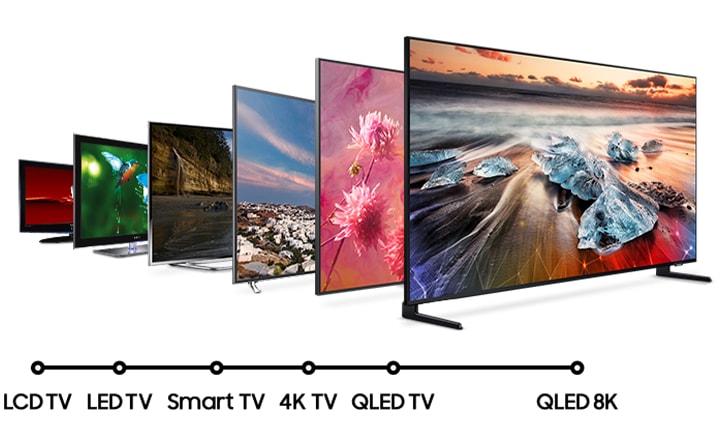
OLED TVs use organic pixels that light up individually. This gives perfect black levels and great color. QLED TVs use Quantum Dots to make colors brighter and sharper. They are better in bright rooms. LED TVs use standard backlighting. They are the most affordable but don’t offer the same deep blacks as OLED.
Which Television Brand Is Best For Gaming?
For gaming, look for TVs with high refresh rates (120Hz or more), HDMI 2.1, and low input lag. Brands like Samsung, LG, and Sony are top choices. TCL also offers good gaming features at lower prices.
How Important Is The Smart Tv Operating System?
The smart TV OS affects how easy it is to use apps, stream content, and control your TV. Google TV (Sony), Tizen (Samsung), and webOS (LG) are the most user-friendly and support many apps. Some budget brands offer Android TV, which is also good.
Are budget TV brands reliable?
Budget brands like TCL, Mi, Vu, and JVC can be reliable for everyday use. However, their panels and software may not last as long as premium brands. Always check the warranty and service before buying.
Where Can I Find More Detailed Comparisons of TV Brands?
You can get expert reviews and comparisons from trusted sources like RTINGS.com. This site tests TVs for picture quality, smart features, and durability.
Final Thoughts
Choosing the best television brand depends on your needs and budget. Premium brands like Samsung, LG, and Sony offer amazing picture quality, smart features, and long-term reliability. Value brands like TCL, Hisense, and Mi give you smart features at a lower price. Don’t just look at the brand name—consider the panel type, smart OS, sound quality, and after-sales service.
Before you buy, measure your room, check the ports, and read real user reviews. Visit a store if possible to compare picture quality. With the right brand and model, your television will give you years of great entertainment.