
Many people are uncomfortable using public toilets, especially when it comes to cleanliness. Toilet seat cover is a simple tool that helps. These thin covers are common in many bathrooms around the world. But even though they appear easy to use many people are not sure how to use them properly. In this article, find out how to use toilet seat covers step-by-step, why they matter, and what mistakes to avoid. If you want to stay safe and clean in public restrooms, this guide will show you How Do You Use Toilet Seat Covers
What Are Toilet Seat Covers?
Toilet seat covers are thin sheets of paper, or sometimes plastic, designed to be disposable. They are meant to be placed over the toilet seat to create a barrier between you and the seat. Most covers are flat and folded and stored in wall-mounted dispensers. When used properly they help reduce contact with germs and bacteria.
Here’s a quick look at the most common toilet seat cover materials:
| Material. | Features | Example Usage |
|---|---|---|
| Script | Biodegradable, flushable | Public toilets, offices |
| Plastics | Waterproof, not flushable | some hospitals, planes |
“Most public toilets use paper covers because they are environmentally friendly and easy to flush.
Why Use a Toilet Seat Cover?
Many people wonder if toilet seat covers actually do anything to protect you from germs. Public toilet seats can have as many as 50 bacteria per square inch, research indicates. Though the possibility of infection through contact with a toilet seat is minimal, covers can offer some peace of mind and an additional level of protection.
Benefits include the following:
- Germ protection: Reduces skin contact with bacteria.
- Hygiene assurance: Makes users feel safer.
- Easy disposal: Most covers are flushable, so you don’t have to touch them after use.
Another little known advantage of seat covers is that they can stop direct contact with cleaning chemicals sometimes left on the seat. Also, covers can help prevent the spread of skin-related illnesses in high traffic areas.
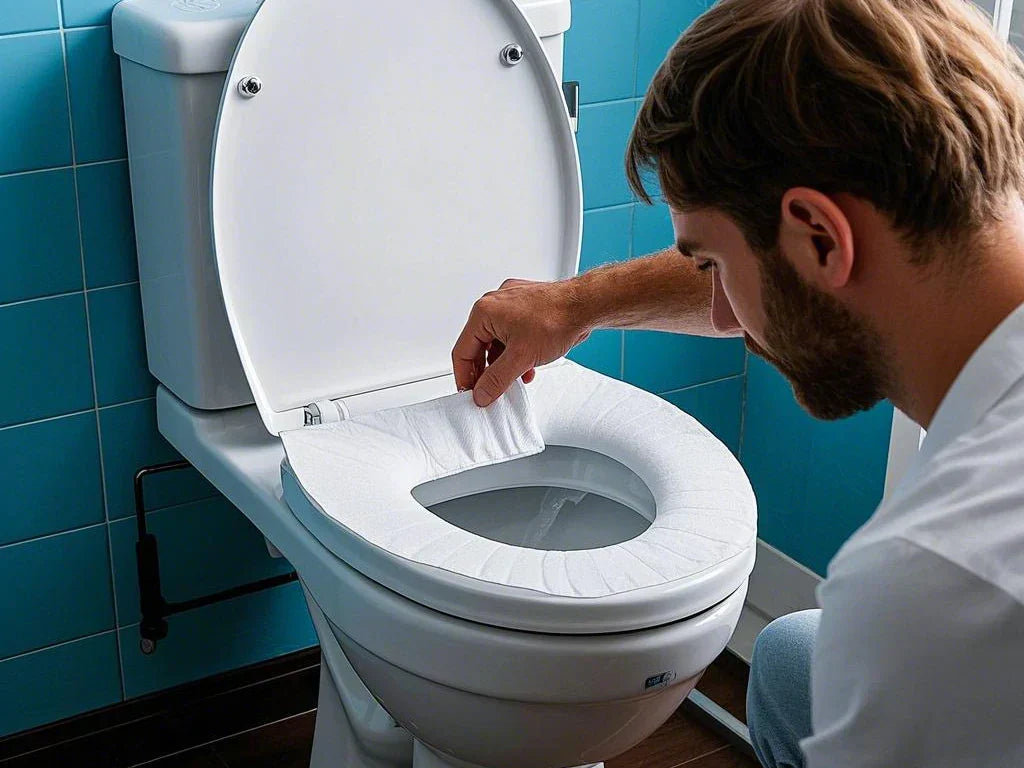
Toilet Seat Covers: A Step-by-Step Guide
It is easy to use a toilet seat cover but to use it properly will ensure maximum protection and less wastage.
- Find the dispenser: It’s a box attached to the wall next to the toilet. Usually it has a label like “Seat Covers.”
- Remove a cover. Carefully remove a single cover so you do not rip it.
- Unfold cover: Open completely. Most of the covers have a flap in the center.
- Tear center flap: Tear or gently push the perforated middle. This flap dangles inside the bowl.
- Seat placement: Lay the cover flat on the toilet seat. The flap should fall into the bowl, not sit on the seat.
- Sit and use Sit as usual The cover is a barrier.
- Flush after use: Most covers are flushable. When you flush the cover will fall into the bowl and be gone.
Here is a quick comparison of right and wrong usage:
| Methods | Result | Frequent Errors |
|---|---|---|
| Proper Placement | Full coverage barrier | Nope |
| Upside Down | Less protection, some coverage | Flap not in bowl |
| No tear flap | Cover shifts, can block bowl | Forgot to rip flap |
Common Mistakes and How to Prevent Them
Seat covers are easy to use, but many people make mistakes that reduce their effectiveness.
- Don’t rip the center flap open If you don’t rip the flap open, the cover may slide or fall off of the seat.
- “Having more than one cover does not give you extra protection. It can back up the toilet and cause a plumbing problem.
- Wrong placement If the cover hangs out of the bowl, it won’t flush smoothly. It may create mess.
- Touching the seat When putting the cover on, avoid touching the seat. Just hold the edges.
What many people don’t realize is that covers are designed to disintegrate quickly in water. If you have plastic covers, don’t flush them, but put them in the garbage.

Are Toilet Seat Covers Necessary?
You might be surprised to know that most health experts say skin contact with a toilet seat is not likely to spread disease. It’s a lot less risky than touching the flush handle or the door lock.” Covers, however, do provide psychological comfort and are useful where the seat looks dirty or wet.
A CDC study found hand hygiene to be far more important than seat covers. Wash your hands after going to the toilet. But if you have a seat cover, it does give you an added layer of protection, especially if you have cuts or sensitive skin.
Green Options and Alternatives
If you are environmentally conscious, there are ways to use seat covers responsibly.
- Save waste, use one cover for each visit.
- Look for restrooms that provide paper covers, not plastic.
- If there are no covers, cover the seat with toilet paper, but don’t block the bowl.
Some companies sell covers that are biodegradable and break down more quickly. If you travel a lot, you can buy fabric covers that are washable and reusable.
Here’s the lowdown on green alternatives:
| Option Option | Effect on the environment | Availability |
|---|---|---|
| Paper Over | Compostable, low impact | High; |
| Plastics Covers | High impact non compostable. | Medium |
| Reusable Coverings | Very low, machine washable | Low |

Practical Tips For Using Toilet Seat Covers
- Always check if the seat is dry and clean before placing the cover.
- Don’t rush. Placing the cover properly takes only a few seconds.
- If the cover tears, use a new one instead of trying to fix it.
- Make sure the flap hangs inside the bowl; this helps the cover flush away easily.
- Wash your hands after placing the cover, before leaving the restroom.
A tip most people miss: if the cover dispenser is empty, ask staff for refills. This promotes hygiene for everyone.
Frequently Asked Questions
How Do I Know If A Toilet Seat Cover Is Flushable?
Most paper covers are flushable. Check the dispenser or package for instructions. If the cover is plastic, throw it in the trash.
Can I Use Toilet Paper Instead Of A Seat Cover?
Yes, you can use toilet paper to cover the seat if covers are not available. Use a few strips to cover the surface, but make sure not to block the bowl.
Are Toilet Seat Covers Effective Against Viruses?
Toilet seat covers help reduce direct skin contact but do not guarantee protection against viruses. Washing hands is more effective for preventing illness.
What Should I Do If The Dispenser Is Empty?
If the dispenser is empty, you can use toilet paper as a backup. It’s also helpful to notify the restroom staff so they can refill it.
Where Can I Find More Information On Restroom Hygiene?
You can learn more about public restroom hygiene and safety from the CDC Public Restroom Guidelines.
Using toilet seat covers is a simple step to feel safer and cleaner in public restrooms. By following these tips and understanding the right way to use covers, you protect yourself and help keep restrooms hygienic for everyone. Next time you see a seat cover dispenser, you’ll know exactly what to do.