
Choosing the best universities for computer science can feel overwhelming. Many students find themselves lost in a sea of options and rankings.
It’s not just about reputation. Factors like curriculum focus, research opportunities, and campus culture all play a role. Some schools excel in theoretical foundations, while others emphasize practical skills. Balancing cost and quality is another challenge. What works for one student may not suit another.
This article aims to help you understand the key differences and trade-offs. It will guide you in making a thoughtful choice that fits your goals and preferences.
Below, you will find a selection of universities grouped by their unique strengths and offerings. Each choice serves different needs, so take your time to consider what matters most to you.
Who’s #1? Science Of Rating & Ranking
For those exploring Best Universities for Computer Science, this book offers insight into how rankings are determined, perfect for prospective students and educators alike.

“Who’s #1?: The Science of Rating and Ranking” is a detailed exploration of the methodologies behind ranking systems, addressing the complexities and controversies in rating universities and programs. It helps readers understand how rankings are constructed, which is essential for evaluating Best Universities for Computer Science beyond surface-level numbers.
Reading this book provides a clearer perspective on the criteria and metrics that influence university rankings, making it easier to trust or question published lists. It offers clarity and confidence when comparing institutions, saving time and reducing confusion in your decision-making process.
- Strength: Explains ranking methodologies with clarity.
- Strength: Published by Princeton University Press, ensuring academic rigor.
- Limitation: Does not provide direct rankings but explains their science.
Who Should Read This Book?
If you are a student or academic trying to navigate the myriad of rankings for computer science universities, this book is a valuable guide. It removes the stress of wondering how rankings are formed and helps you interpret them more critically.
However, if you are looking for a simple list of top universities without the underlying analysis, this may not meet that need. A practical tip is to read this before making application decisions to better understand the data behind rankings.
Overall, it offers a calm reassurance that rankings are not arbitrary and encourages a more informed and thoughtful approach to choosing a university.
Google’s Pagerank And Beyond
For those exploring the Best Universities for Computer Science, this book is an insightful resource ideal for students and professionals interested in search engine technology and ranking algorithms.

This book, published by Princeton University Press, delves into the science behind search engine rankings, specifically focusing on Google’s PageRank algorithm. It addresses the challenge of understanding how search engines determine the order of results, offering clear explanations and practical insights into the technology shaping online search.
Reading this book feels like gaining a behind-the-scenes look at one of the most influential algorithms in computer science. It is well-organized and approachable, helping readers build confidence in their understanding of search technologies without requiring advanced prior knowledge.
- Strength: Comprehensive explanation of PageRank and its impact on search engine rankings
- Strength: Published by a reputable academic press ensuring quality and reliability
- Limitation: More technical readers may desire updated content beyond the 2006 publication date
Who Should Consider This Book
This resource is perfect for computer science students at top universities who want to deepen their understanding of search engine algorithms as part of their studies. It is also useful for professionals in the business technology sector seeking foundational knowledge about search ranking science.
If you are looking for the latest developments in search engine technology or a broad overview of multiple algorithms, this book may not fully meet those needs due to its focused and dated content. However, it removes confusion around the core principles of PageRank, making complex topics accessible.
When reading, take notes on how the principles can apply to your own projects or research. You can feel assured that this book provides a solid academic foundation, easing your journey through the complexities of search engine science.
Ranking: The Unwritten Rules Of Social Game
For those exploring the best universities for Computer Science, this book offers insights into social dynamics relevant for students and professionals alike.

This book, published by Oxford University Press, explores the often unspoken social rules that govern interactions in various environments. It addresses the challenge of understanding social cues and unwritten expectations, which can be particularly useful for students navigating university life or professional settings.
Reading this book offers a clear and relatable perspective on social behavior, helping readers feel more confident and aware in their daily interactions. I found its straightforward style makes complex social dynamics easier to grasp, saving time and reducing uncertainty.
- Provides deep insight into social dynamics applicable to academic and professional life
- Published by a reputable academic press quality content
- Concise at 258 pages, easy to fit into busy schedules
Who This Book is For
If you are a student or professional interested in improving your social understanding, especially within academic environments like computer science programs, this book is a solid choice. However, if you are looking specifically for technical content about computer science or university rankings, this title may not meet those needs.
This book removes the stress of social ambiguity by making the “rules” explicit and approachable. A practical tip is to read it alongside your university experience to directly apply insights. Rest assured, it offers a calm and thoughtful approach to mastering social interactions without overwhelming jargon.
Nine Algorithms That Changed The Future
For anyone exploring the Best Universities for Computer Science, this book is a great resource to understand key algorithms shaping modern computing.

“Nine Algorithms That Changed the Future” is a concise and insightful book published by Princeton University Press that explores the foundational algorithms driving today’s computers. It solves the problem of understanding complex computer science concepts by presenting them in an accessible way, highlighting nine key algorithms that have shaped the digital world.
Reading this book feels like a guided tour through the core ideas behind modern computing. It offers clarity and confidence for students and enthusiasts alike, making abstract algorithms tangible and relevant. This book is especially helpful for those interested in artificial intelligence and semantics within computer science.
- Clear explanation of nine fundamental algorithms
- Published by a reputable academic press
- Compact size makes it easy to carry and reference
Who Should Read This
This book is ideal for computer science students, especially those looking into the Best Universities for Computer Science, as it deepens understanding of essential algorithms. If you prefer practical coding guides or extensive textbooks, this may not fully meet your needs. It removes confusion around complex theoretical concepts by breaking them down into digestible stories.
A practical tip: read it alongside coursework or university materials to reinforce your learning. Rest assured, this book offers a calm and structured way to grasp important algorithmic ideas without overwhelming detail.
Data Visualization Practical Intro
For those exploring the best universities for Computer Science, this book is ideal for students and professionals seeking foundational knowledge in data visualization.

Data Visualization: A Practical Introduction by Princeton University Press is a comprehensive guide that introduces core concepts and techniques in data visualization, helping readers transform complex data into clear, informative visuals. This book addresses the common challenge of making data accessible and understandable, focusing on practical application rather than just theory.
Using this book feels intuitive and approachable, making it easier to grasp essential visualization methods. It offers reliable guidance that builds confidence, especially for beginners, and can save time by providing straightforward examples and explanations without overwhelming technical jargon.
- Clear and practical introduction to visualization concepts
- Published by a reputable academic press
- Suitable for beginners and intermediate learners
- Focus on practical application over theory
Who Should Consider This Book
This book is well-suited for computer science students at top universities who want to strengthen their understanding of data visualization fundamentals. It’s also helpful for professionals transitioning into data-related roles who need a solid starting point.
If you are looking for advanced or highly specialized visualization techniques, this book may not meet those needs fully. However, it removes much of the confusion around how to effectively present data and offers a clear path to developing useful visual skills.
One practical tip is to work through the examples alongside your own datasets to maximize learning. Rest assured, this book provides a calm and structured approach to mastering visualization basics without overwhelming you.
When Computers Were Human
For those exploring the Best Universities for Computer Science, this book offers historical insight perfect for students and enthusiasts interested in computing industry history.

When Computers Were Human” is a detailed exploration of the early computing industry, focusing on the era when human ‘computers’ performed calculations. This book provides valuable historical context that fills the gap between modern computer science education and its origins, making it a unique resource especially for those interested in the evolution of computing. It is a used book in good condition, ensuring accessibility without compromising quality.
Reading this book gives a vivid sense of how computing challenges were managed before digital machines took over. It offers a reliable, well-documented narrative that can deepen your understanding and appreciation of the field, saving time that might otherwise be spent searching through scattered historical sources.
- Strong historical perspective on computing before modern computers
- Published by reputable Princeton University Press
- Well-sized hardcover, durable and easy to handle
Who Should Read This Book?
This book is ideal for students and enthusiasts of computer science who want to connect their studies to the roots of the discipline and understand the human element behind early computations. Those focused solely on technical programming skills or contemporary computing technologies might find it less relevant.
It removes confusion about the origins of computing and the transition from human to machine calculations, providing clear historical insight. A practical tip is to read it alongside modern computer science materials to appreciate the full scope of the field’s development. You can be confident that this book offers a solid foundation for contextual knowledge without overwhelming technical jargon.
Contest Theory: Incentive Mechanisms And Ranking Methods
For students and researchers exploring the best universities for Computer Science, this book is ideal for those seeking a deep understanding of programming algorithms and ranking methodologies.
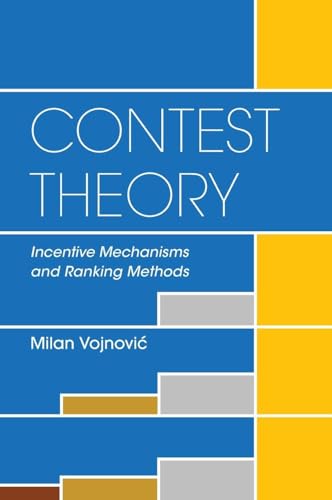
This book presents an in-depth exploration of contest theory, focusing on incentive mechanisms and ranking methods within programming algorithms. It addresses the challenge of designing fair and effective ranking systems, providing valuable insights for academic and practical applications.
Reading this text offers a comprehensive look at complex algorithmic structures, making it easier to grasp sophisticated concepts. Whether you’re tackling research or coursework, the clear presentation helps save time and build confidence in understanding incentive-based models.
- Published by Cambridge University Press, ensuring academic rigor
- Comprehensive content with 730 pages covering theory and applications
- Includes 187 black-and-white illustrations and 6 tables for clarity
Who Should Consider This Book
This book is well-suited for computer science students, researchers, and professionals interested in programming algorithms and ranking systems. It is particularly useful for those affiliated with top universities seeking detailed theoretical foundations.
On the other hand, if you are looking for a quick introduction or practical coding guides, this text might be too detailed and theoretical. It removes confusion around incentive design by providing structured explanations and real-world examples.
Before purchasing, consider your need for a deep academic resource rather than a casual read. Rest assured, this book serves as a reliable reference that supports long-term learning and research goals.
Majosta Computer Science Guidebook
For those exploring the Best Universities for Computer Science, this guidebook is ideal for students and enthusiasts seeking foundational knowledge in the field.
This guidebook offers a concise introduction to the field of computer science, providing foundational knowledge tailored for beginners and prospective university students. It addresses common challenges faced when starting in computer science by offering clear explanations and a manageable length of 120 pages, making it easier to grasp essential concepts.
Using this book feels approachable and straightforward, helping readers build confidence in their understanding without overwhelming detail. Its compact size and focused content save time and provide reliable guidance for those preparing to choose a top university program or deepen their basic knowledge.
- Concise and beginner-friendly content ideal for newcomers
- Compact size for easy handling and quick reading
- Published by an independent author with focused insight
Who Should Consider This Guidebook?
If you are a prospective computer science student seeking a straightforward introduction before applying to the best universities, this guidebook offers clarity and focus without unnecessary complexity. However, if you need in-depth technical detail or advanced topics, you might want to explore more comprehensive textbooks.
This book helps reduce confusion by presenting core concepts clearly and simply, making the early learning process less stressful. A practical tip is to read it alongside university program materials to better understand course expectations. Rest assured, its manageable length and clear approach make it a useful stepping stone in your computer science education journey.
Recent Advances In Global Optimization
For students and researchers exploring the best universities for Computer Science, this book is an essential resource on global optimization techniques.

This book, published by Princeton University Press, delves into global optimization methods within computer science, providing in-depth theoretical and practical insights. It addresses complex optimization problems faced in various computational fields, making it a valuable reference for advanced learners and professionals.
Reading through this volume gives a comprehensive understanding of optimization strategies, helping save time by offering proven approaches and detailed explanations. The extensive 648-page coverage supports confidence in applying these techniques to real-world challenges.
- Strength: Comprehensive coverage of global optimization methods with rigorous academic depth.
- Limitation: Dense content may be challenging for beginners without a solid mathematical background.
Who Should Consider This Book?
This title is ideal for graduate students, researchers, and computer science professionals focused on optimization problems or those affiliated with top universities seeking detailed academic resources. If you are looking for a practical introduction, this may be too specialized.
It helps remove confusion around complex optimization theories by presenting them systematically and thoroughly. A practical tip is to approach the book with a good foundation in mathematical programming to fully benefit from its content.
Rest assured, this book stands as a reliable academic guide that has been valued since its publication, supporting rigorous study and research in the field.
Social Science Concepts And Measurement
Ideal for students and researchers exploring the best universities for Computer Science with an interest in social sciences methodology.

This book, published by Princeton University Press, offers a comprehensive and revised approach to social science concepts and measurement. It addresses the challenge of accurately defining and quantifying social science phenomena, a crucial step for anyone conducting research or analysis in interdisciplinary fields, including computer science.
Using this edition feels intuitive and reliable, providing clarity in complex methodological topics. It saves time by consolidating essential knowledge into one resource, helping me feel more confident in applying social science methods alongside technical studies.
- Strength: Updated and comprehensive revision for modern research needs.
- Strength: Published by a reputable academic press quality and depth.
- Use Case: Useful for computer science students interested in social data and interdisciplinary research.
Who Should Consider This Book
This book is best suited for computer science students and researchers who want to deepen their understanding of social science methodologies, especially those involved in interdisciplinary projects or studying human-centered computing.
Those solely focused on technical computer science without social science interests might find this less relevant. However, it removes confusion by clearly explaining measurement concepts that often overlap with data science and analytics.
A practical tip is to use this book alongside your technical studies to build a well-rounded research approach. Rest assured, it offers a calm and structured guide through potentially complex social science topics.
How To Choose The Right Book On Ranking And Computer Science Concepts
Focus on what you want to learn rather than just the book’s specs. Consider if you prefer practical examples, theoretical depth, or historical context. Think about your current knowledge level and how much detail you need. Balance between concise introductions and comprehensive, dense material. This helps you pick a book that fits your learning style and goals.
Common Mistakes And Who Should Avoid These Books
- Expecting quick, surface-level answers from in-depth academic texts.
- Choosing books focused on theory when you need practical, hands-on guidance.
- Buying highly specialized books without a foundational understanding of computer science.
- Assuming all ranking or algorithm books cover the latest trends or technologies.
- Purchasing large, dense volumes if you prefer brief, accessible reads.
Best Universities For Computer Science: Questions About Rankings And Learning Resources
How important is a book’s publication date when choosing learning material?
Publication date matters depending on the topic. For foundational concepts, older books can still be very relevant. For cutting-edge technologies, newer publications are preferable.
Are these books suitable for beginners in computer science?
Some books are more introductory, while others assume prior knowledge. Check the book’s focus and depth to ensure it matches your experience level.
Do these ranking-focused books cover practical applications?
Many focus on theory and social concepts rather than hands-on programming. Look for books that specifically mention practical examples if that is what you need.
Can these books help me understand university ranking systems?
Some discuss ranking theories and social games, which can shed light on ranking systems. However, they may not directly address university rankings specifically.
Is it necessary to read multiple books to get a full picture?
Yes, since each book covers different angles like algorithms, social concepts, or history. Combining sources gives a broader understanding.
Do these books provide updated information about search engine rankings?
Some books cover the science behind search engine rankings, but may not include the very latest updates or algorithms. Check publication dates for relevance.
Are these books useful for professionals in the tech industry?
They can be valuable for gaining theoretical insights and understanding ranking mechanisms. Practical developers might need supplemental resources for implementation details.
Finding Confidence In Your Choice Of Computer Science And Ranking Books
Choosing the right book depends on your personal learning needs and interests. Trust your judgment about what level of detail and focus suits you best. Taking time to consider these factors will help you avoid confusion and make an informed decision.
There is no one perfect book for everyone, but there is the right book for you. With thoughtful selection, you can feel settled and confident in your learning journey.