
The Best Options for Television Service Options in 2026: Your Complete Guide to Cable, Satellite, Streaming, and Everything In Between
In 2026, choosing the right television service feels more overwhelming than ever. Gone are the days when cable was the only game in town. With streaming services exploding in popularity, satellite providers refining their offerings, and live TV streamers delivering cable-like experiences without the contracts, consumers have more choices than at any point in history. But with those choices come questions: How much are you willing to spend? Do you need live sports and local channels? Are you a binge-watcher who prefers on-demand originals or a family that wants kid-friendly content? And how do you cut through the marketing hype to find real value?
This comprehensive guide breaks down the best television service options available right now. We’ll compare traditional cable and satellite providers against modern live TV streaming services, on-demand giants like Netflix, and even free ad-supported options. Drawing from the latest 2026 data on pricing, channel lineups, features, and customer satisfaction surveys, we’ll help you decide what fits your household best. Whether you’re a cord-cutter tired of $200+ cable bills or someone who still craves the reliability of live TV, you’ll find actionable insights here.
Let’s dive in.
Why Television Services Have Changed So Much by 2026
The shift started years ago with cord-cutting, but 2026 marks a new era. Traditional cable and satellite still exist, yet live TV streaming services now dominate recommendations from experts at CNET, PCMag, and Tom’s Guide. Prices for live streamers hover between $25 and $90 per month—far below the $150–$250 many pay for cable bundles. Unlimited DVR storage, multi-device streaming, and no long-term contracts make them appealing. Meanwhile, on-demand services like Netflix continue to pour billions into original content, while free ad-supported TV (FAST) platforms fill gaps for budget-conscious viewers.
Key trends in 2026 include:
- Modular plans: Services like YouTube TV now offer genre-specific bundles (Sports, Entertainment) alongside base plans.
- 4K and improved streaming quality: Most major services support 1080p or better, with select 4K on premium add-ons.
- Bundling with internet and mobile: Carriers like T-Mobile and Verizon sweeten deals with free streaming perks.
- Customer satisfaction focus: Recent surveys show DIRECTV leading in overall happiness, while budget options like Philo and Frndly TV win on value.
Before picking a service, assess your needs: sports fans prioritize RSNs (regional sports networks), families want Disney+ bundles, and news junkies seek CNN, Fox News, and locals.
Traditional Cable TV: Still Reliable for Some, But Often Overpriced
Cable TV remains a solid choice if you want a simple setup, local channels included, and no internet dependency for basic viewing. However, it’s increasingly expensive due to rising programming costs and equipment fees.
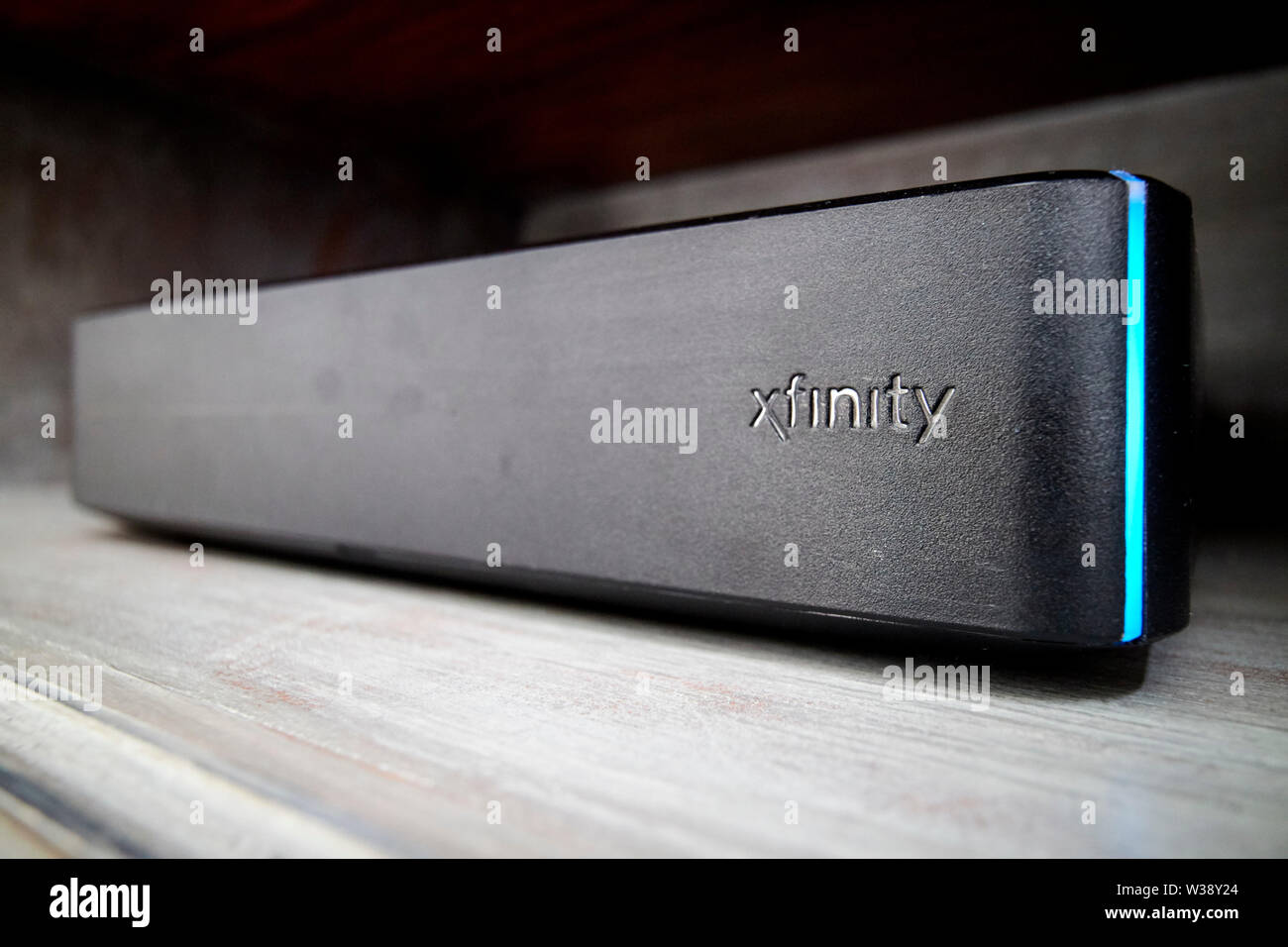
Top Cable Provider: Xfinity (Comcast) Xfinity stands out as the best overall cable provider in 2026 for its wide availability, bundle discounts, and channel counts (up to 185+ in higher tiers). Starting plans begin around $55–$125/month, depending on region and promo. You get access to popular networks like ESPN, HBO (via add-ons), and locals. The Xfinity Xumo Stream Box is a standout device—voice-controlled, with easy navigation and integration for live TV plus apps.
Pros:
- Reliable in urban/suburban areas with fiber or hybrid networks.
- Bundles with high-speed internet save money (often $100–$150 total for TV + gigabit internet).
- No streaming device needed if using their cable boxes or app.
Cons:
- Contracts or early termination fees in some markets.
- Hidden fees for DVR, HD, and broadcast.
- Less flexible than streamers—no unlimited DVR on basic plans.
Other strong cable options: Spectrum (no contracts, good for sports), Verizon Fios (fiber speeds, excellent picture quality), and Cox (strong in the Southwest). Cable shines for households that already have it bundled with internet or prefer plug-and-play simplicity. But for most, the shift to streaming saves $50–$100 monthly.
Satellite TV: Best for Rural Areas and Sports Enthusiasts
Satellite TV excels where cable infrastructure is weak—rural homes, apartments with restrictions, or anywhere needing crystal-clear HD/4K without relying on internet.
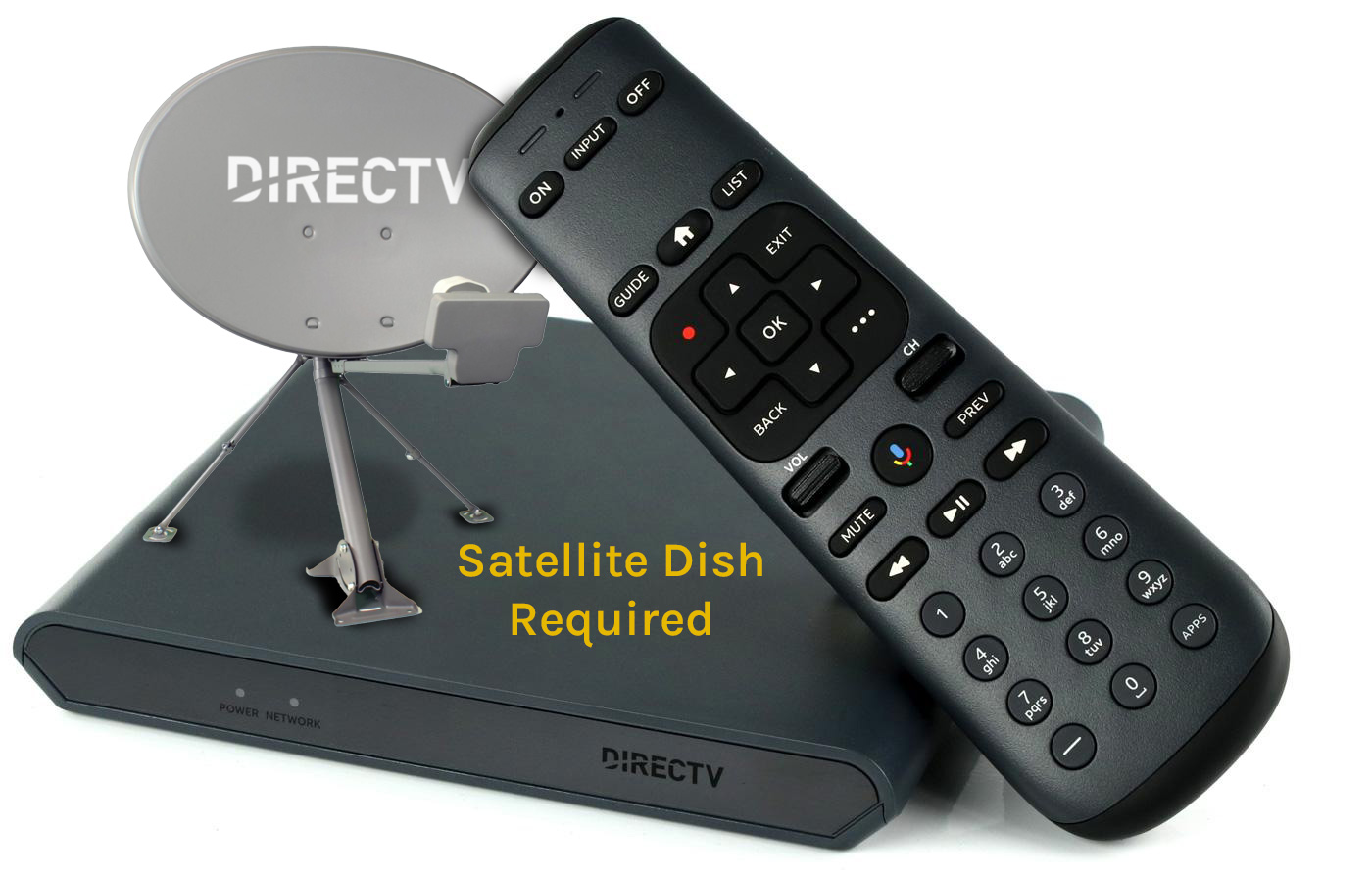
DIRECTV Satellite: The Premium Pick DIRECTV edges out DISH in 2026 customer satisfaction surveys (82% overall) thanks to superior channel selection (165–340+ channels), robust sports packages (including NFL Sunday Ticket exclusivity in some plans), and reliable 4K. Plans start at $89.99–$169.99/month with two-year price guarantees on many packages. The Genie receiver and satellite dish setup provide whole-home DVR capabilities.
DISH Network: The Value Satellite Option DISH offers competitive pricing ($89.99–$119.99/month for 190–290+ channels), Hopper 3 DVR (best-in-class with commercial skip), and flexible international packages. It’s often cheaper long-term with no hidden fees.
Pros of satellite:
- Nationwide coverage, including remote areas.
- Strong sports and premium channel options.
- Multi-room viewing without extra internet strain.
Cons:
- Requires professional installation and a clear southern sky view.
- Weather can cause outages (rare but possible).
- Higher upfront costs for equipment.
Satellite is ideal for sports fans needing RSNs or rural viewers. Many now pair it with streaming for the best of both worlds.
Live TV Streaming Services: The 2026 Cord-Cutting Kings
This category has matured into true cable replacements. No contracts, app-based on any device (Roku, Fire TV, smart TVs, phones), and generous DVR/cloud features.
YouTube TV: Best Overall Live TV Streamer At $83/month for the base plan (100+ channels), YouTube TV leads 2026 rankings from CNET and PCMag. It includes locals (ABC, CBS, Fox, NBC, PBS), unlimited DVR (recordings last 9 months), and 3 simultaneous streams. New modular plans like Sports ($65) or Entertainment ($55) let you customize. The interface is intuitive with key plays, stats, and fantasy views for sports.
Hulu + Live TV: Best Bundle Value Around $90/month, it delivers 95+ channels plus the full Hulu on-demand library, Disney+, and ESPN+ in bundles. Perfect for families. Excellent on-demand catalog and personalized recommendations.
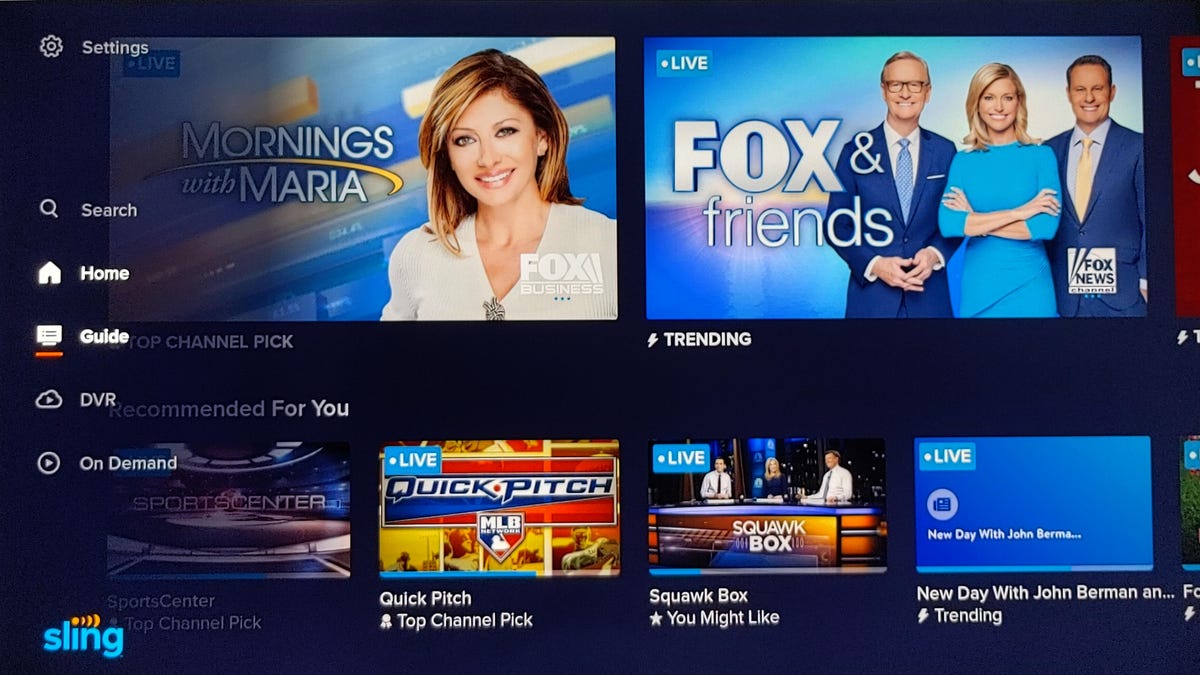
Sling TV: Best Budget Live TV Option Starting at $46/month (Orange or Blue; $61 for both), Sling is the cheapest way to get live TV. Customizable add-ons and day passes make it flexible. Great for sports (Orange has ESPN) or news (Blue). Fewer channels than premium options but no contract.
Fubo: Sports Fan’s Dream $74–$84/month for 150+ channels with a heavy sports focus, including RSNs and international leagues. 10 simultaneous streams at home. Ideal if you watch a lot of live events.
Other notables:
- DirecTV Stream: $90+/month, strong channel count, and satisfaction scores.
- Philo: $25–$28/month for 70+ lifestyle/entertainment channels (no sports/locals)—budget king for reality and HGTV fans.
Comparison snapshot (2026 prices approximate):
- YouTube TV: $83 | 100+ ch | Unlimited DVR | Locals yes
- Hulu Live: $90 | 95+ ch | Strong on-demand | Bundles
- Sling: $46 | 30–50+ ch | Customizable | Cheapest
- Fubo: $74+ | 150+ ch | Sports-heavy | RSNs
Live streaming saves money and offers flexibility. Most include 7-day free trials.
On-Demand Streaming Services: For Binge-Watchers and Original Content Lovers
If live TV isn’t essential, pure on-demand rules.
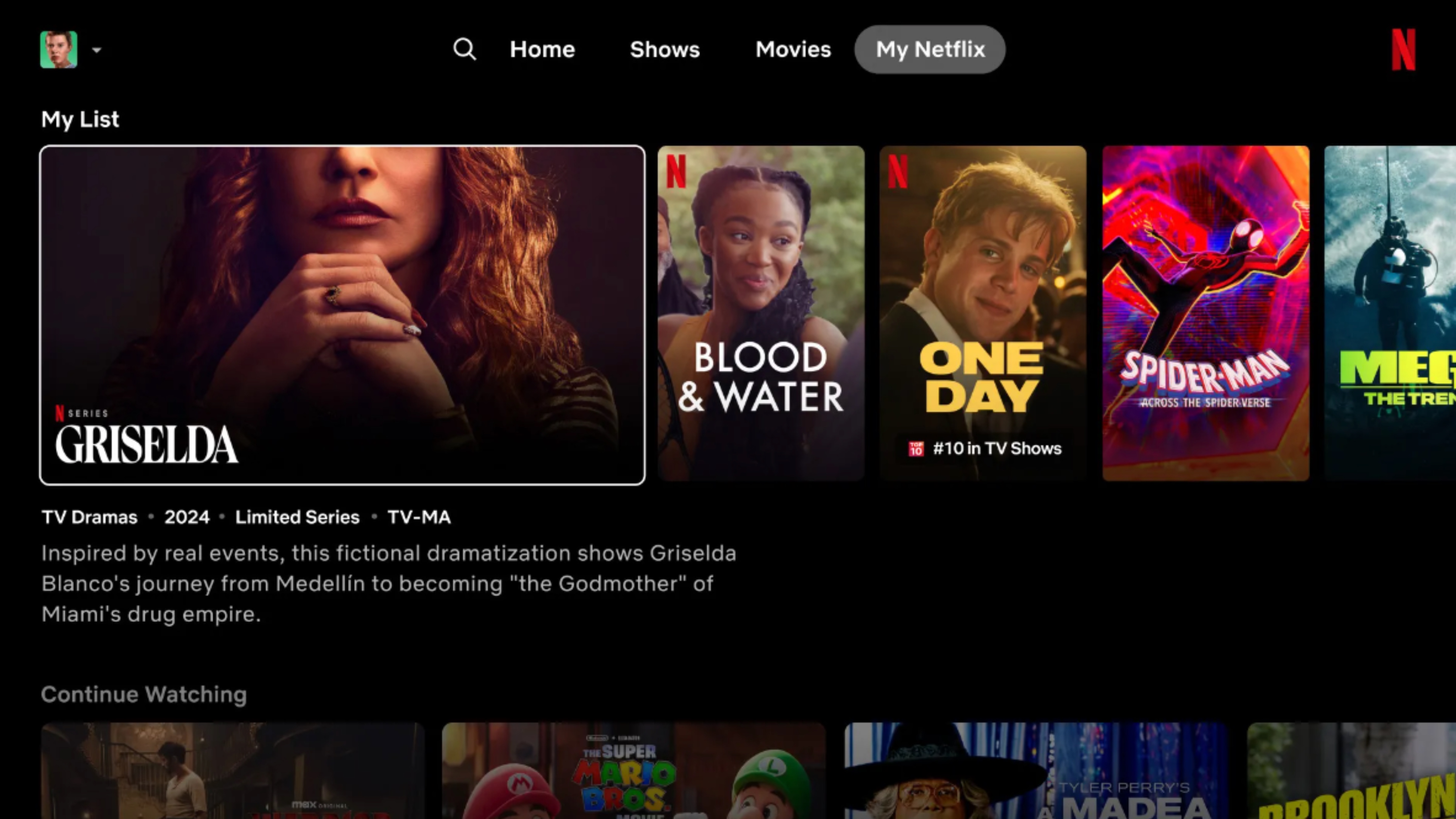
Netflix: The Undisputed King. Still the best overall in 2026 for originals (Stranger Things, new hits), massive library, and personalization. Plans from $9–$26/month. Ad-supported tier keeps it affordable.
Disney+: Family favorite with Marvel, Star Wars, and Pixar. Bundles with Hulu/ESPN+ for live TV value.
Others: Amazon Prime Video (included with Prime), Apple TV+ (premium originals), Peacock, Paramount+.
These complement live streamers perfectly—many households run YouTube TV + Netflix.
Free and Budget TV Options: No Monthly Bill Required
Don’t overlook FAST services:
- Pluto TV and Tubi: Hundreds of channels and movies, ad-supported.
- Roku Channel, Xumo Play: Free locals via antenna integration.
- Over-the-Air (OTA) Antenna: Free ABC, CBS, etc., in most areas.
Pair with a $25–$50 antenna for locals and save big.
How to Choose the Right TV Service in 2026
- Budget: Under $50? Sling or Philo. $80–$90? YouTube TV or Hulu Live.
- Sports: Fubo or YouTube TV (check RSNs by ZIP code).
- Family/Kids: Hulu Live + Disney+ bundle.
- News/Locals: YouTube TV or DirecTV Stream.
- Set up: Test via free trials. Use Roku or Fire TV for the easiest multi-service navigation.
- Internet Requirement: Live streaming needsa reliable 25+ Mbps. Cable/satellite don’t.
Pro tip: Start with one live streamer + 1–2 on-demand services. Cancel anytime.
Future of Television: What’s Next?
By late 2026 and beyond, expect more AI personalization, 8K support, and deeper integration with smart homes. Ad tiers will grow, and bundles will evolve. Traditional providers are pivoting to streaming hybrids.
Conclusion: There’s No One-Size-Fits-All—But You Can Save Big
The best television service in 2026 depends on you. Live streamers like YouTube TV offer the sweetest spot for most—cable-like experience without the hassle or cost. Cable and satellite hold strong for specific needs, while Netflix and Disney+ handle entertainment.
Ready to switch? Compare your ZIP code on provider sites, grab those free trials, and reclaim your entertainment budget. You could save $1,000+ annually.