
What Is A Passenger Tire
When you look at a car, you might notice the shiny paint, the stylish lights, or the comfortable seats. But without the right tires, none of these features matter. The passenger tire is one of the most important parts of any car made for carrying people. It quietly supports every trip, keeps your ride safe, and connects your vehicle to the road. Yet, many drivers don’t fully understand what a passenger tire is, how it is different from other types, or why choosing the right one matters so much.
If you’ve ever been confused by terms like “all-season,” “P-metric,” or “treadwear rating,” you’re not alone. This article explains everything you need to know about passenger tires in clear, simple language. You’ll learn what makes a tire a “passenger” tire, how it’s built, what those sidewall markings mean, and how to select the best tire for your needs.
By the end, you’ll understand how these everyday yet high-tech products keep you safe and comfortable on the road.
Defining A Passenger Tire
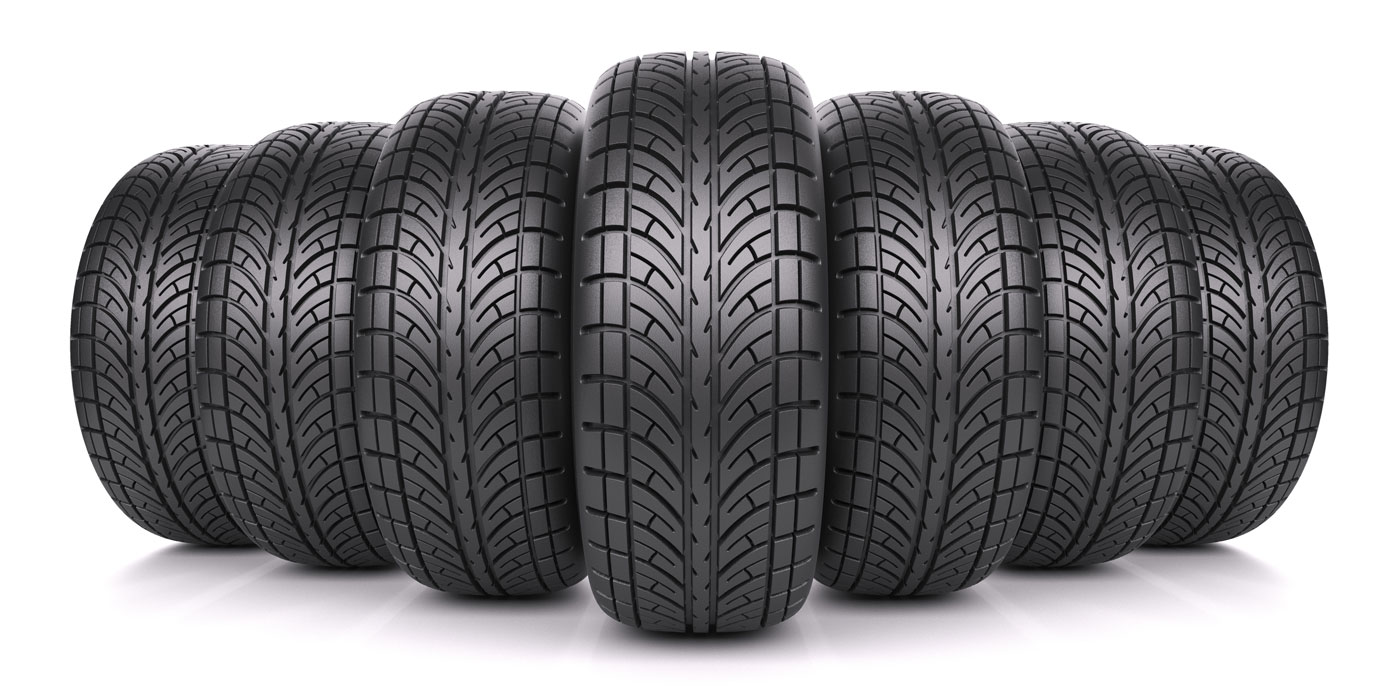
A passenger tire is a tire made for vehicles that carry people rather than heavy cargo or goods. These include cars, minivans, SUVs, crossovers, and even some light pickup trucks. The main goal of a passenger tire is to provide a smooth, quiet, and safe ride for the vehicle’s occupants.
You’ll find passenger tires marked with a “P” (for P-metric) at the beginning of the tire size code, such as “P215/60R16.” This tells you the tire is designed for “passenger” use. These tires are different from light truck (LT) tires, which are built for heavier vehicles and loads.
Passenger tires focus on:
- Comfort: Absorbing bumps and reducing road noise.
- Handling: Providing good grip for steering and braking.
- Fuel efficiency: Lower rolling resistance to help save fuel.
- Safety: Effective traction in different weather conditions.
Most vehicles on the road today use passenger tires. They are carefully engineered for daily driving rather than heavy hauling or off-road adventures.
The History And Evolution Of Passenger Tires
The passenger tire has changed a lot since the first automobiles. Early car tires were made of solid rubber and provided little comfort. In 1888, John Boyd Dunlop invented the first practical pneumatic tire (air-filled), which made rides much smoother.
By the 1940s, the industry shifted from bias-ply to radial construction. Radial tires, with cords running at 90 degrees to the direction of travel, improved durability and grip. Today, almost all passenger tires are radials.
Some key milestones:
- 1900s: Introduction of air-filled rubber tires for cars.
- 1946: Michelin develops the first radial tire, now the industry standard.
- 1970s: Steel-belted radials become common, offering better tread life.
- 1990s: All-season and performance passenger tires grow popular.
- 2000s: New technology brings run-flat and low rolling resistance tires.
Passenger tires now use advanced materials like silica, high-tech tread patterns, and computer-aided designs to balance safety, comfort, and fuel efficiency.
Main Features Of A Passenger Tire
To understand what makes a tire suitable for carrying people, let’s look at the key features:
1. Tread Design
Passenger tires have unique tread patterns that help them grip the road. The tread is the part that touches the ground. Most passenger tires use:
- Symmetrical tread: Same pattern across the tire, for quiet and comfortable rides.
- Asymmetrical tread: Different patterns on inner and outer sides, for better handling and wet traction.
- Directional tread: Designed to roll in one direction, helps with water evacuation and reduces hydroplaning.
2. Sidewall Construction
The sidewall connects the tread to the wheel. In passenger tires, sidewalls are more flexible compared to truck tires. This flexibility:
- Absorbs shocks from bumps and potholes.
- Increases comfort for passengers.
- Makes the ride quieter.
3. Rubber Compound
The blend of materials in a passenger tire affects its grip, wear, and rolling resistance. Modern tires use a mix of natural rubber, synthetic rubber, silica, and special oils to:
- Improve traction in wet and dry conditions.
- Last longer and resist wear.
- Boost fuel economy by reducing energy loss.
4. Load And Speed Ratings
Every passenger tire has a load rating (how much weight it can carry) and a speed rating (the top speed it can safely handle). These ratings are found on the tire sidewall and are important for matching the right tire to your vehicle.
5. Noise Reduction
Passenger tires often include noise-reducing features, such as special tread blocks or foam inserts. This helps create a quieter cabin, which is essential for daily driving comfort.
Key Differences: Passenger Tire Vs. Other Tire Types
Many people confuse passenger tires with other types. Here is a comparison to clarify:
| Tire Type | Main Use | Load Capacity | Comfort | Common Vehicles |
|---|---|---|---|---|
| Passenger (P) | Carrying people | Light to moderate | High | Sedans, SUVs, Minivans |
| Light Truck (LT) | Hauling cargo, towing | High | Moderate | Pickup trucks, large SUVs |
| Performance | High-speed driving | Moderate | High | Sports cars |
| Winter/Snow | Cold, icy roads | Varies | High (for winter) | Any, when needed |
| Off-Road/All-Terrain | Dirt, gravel, mud | High | Low to moderate | Trucks, SUVs |
Passenger tires are not designed for heavy towing, severe off-road use, or commercial trucks. Their focus is on the everyday driving experience and passenger safety.

Types Of Passenger Tires
Even within the “passenger tire” category, there are several subtypes. Choosing the right one depends on your driving needs.
1. All-season Tires
These are the most common passenger tires. They provide reliable performance in dry, wet, and light snow conditions. Their tread design balances grip, comfort, and long tread life.
2. Summer Tires
Summer tires are made for warm weather. They deliver excellent grip and handling on dry and wet roads, but they lose performance in cold temperatures. Great for sporty driving but not for winter.
3. Winter (snow) Tires
Winter passenger tires use special rubber that stays soft in cold weather. Their tread patterns are designed to bite into snow and ice for better traction. They’re not suitable for year-round use because they wear quickly in warm weather.
4. Touring Tires
Touring tires are built for comfort and quiet rides. They often have a higher speed rating and longer tread life, making them ideal for long-distance driving.
5. Performance Tires
These are designed for drivers who want sharp handling, fast acceleration, and high-speed stability. Performance tires have softer rubber for better grip but usually wear out faster.
6. Run-flat Tires
Run-flat passenger tires can keep rolling for a short distance even after a puncture. This lets you drive to safety without changing the tire immediately. However, they may provide a firmer ride.
7. Eco-friendly (low Rolling Resistance) Tires
These tires reduce the energy needed to roll, saving fuel and lowering CO2 emissions. They are popular among hybrid and electric car owners.
Understanding Tire Size Codes
The numbers and letters on the sidewall of a passenger tire can seem confusing. Let’s break down an example: P215/60R16 94V
- P: Passenger tire
- 215: Tire width in millimeters
- 60: Aspect ratio (sidewall height as a percentage of width)
- R: Radial construction
- 16: Wheel diameter in inches
- 94: Load index (how much weight the tire can carry)
- V: Speed rating (maximum safe speed)
Knowing how to read these codes helps you buy the right tire for your car.
Example
Suppose your car’s manual says to use P215/60R16 94V tires. If you buy a tire with a lower load index or speed rating, it may not be safe or legal for your vehicle.
How Passenger Tires Are Made
Passenger tires are complex products made from many materials and parts. Here’s how they are usually built:
- Inner liner: A layer of airtight synthetic rubber to keep air inside.
- Body plies: Layers of fabric cords (like polyester) give shape and strength.
- Belts: Usually made of steel; add strength and help the tire keep its shape.
- Sidewalls: Protect the tire’s sides and provide flexibility.
- Tread: The outer layer that touches the road, made for grip and durability.
- Beads: Steel wires that hold the tire tightly to the rim.
Modern manufacturing uses robots, sensors, and strict quality checks. Each part has a job, and the right mix of materials gives the tire its unique balance of comfort, safety, and performance.
Why Choosing The Right Passenger Tire Matters
Your choice of passenger tire affects more than just ride comfort. It impacts safety, handling, fuel costs, and even noise inside your car.
Safety
Good passenger tires grip the road, reduce stopping distances, and help your car handle curves safely. Worn or low-quality tires increase the risk of accidents, especially in wet or icy conditions.
Comfort
Well-designed passenger tires absorb road bumps and vibrations. This means you and your passengers enjoy a smoother, quieter ride. Cheaper or mismatched tires can make your car noisy and uncomfortable.
Fuel Efficiency
Passenger tires with low rolling resistance require less energy to move, which means better fuel economy. Over the life of a tire, this can save you hundreds of dollars.
Tire Wear And Longevity
The right tire wears evenly and lasts longer. Using the wrong type can cause rapid wear, leading to more frequent replacements and higher costs.
Legal And Insurance Issues
Using tires that do not match your vehicle’s requirements can lead to failing inspections or even insurance problems after an accident.
How To Choose The Best Passenger Tire For Your Vehicle
Selecting a tire is not just about size. Here’s a practical guide:
1. Check Your Car’s Manual
Always start with the manufacturer’s recommendations. The manual tells you the correct size, load, and speed ratings.
2. Consider Your Driving Conditions
- For mostly city driving: Choose all-season or touring tires.
- For cold winters: Get a set of winter tires for the season.
- For sporty driving: Consider performance or summer tires.
- For high fuel savings: Look for low rolling resistance tires.
3. Look At Treadwear Ratings
The treadwear rating (e.g., 400, 600) tells you how long the tire should last compared to a reference tire. Higher numbers mean longer life, but often less grip.
4. Understand Traction And Temperature Grades
Passenger tires have ratings for traction (ability to stop on wet roads) and temperature (how well the tire resists heat). These are shown as “A,” “B,” or “C,” with “A” being best.
5. Set Your Budget
Premium tires cost more but may last longer and offer better safety. Budget tires can save money upfront but may wear out sooner.
6. Read Reviews
Check driver reviews and ratings for real-world performance. Look for comments on wet grip, noise, comfort, and tread life.
7. Don’t Mix Tire Types
All four tires should match in size, type, and tread pattern for best safety and handling.
Passenger Tire Maintenance Tips
Keeping your passenger tires in good condition is just as important as choosing the right ones. Here’s how to make them last longer and stay safe:
1. Check Tire Pressure Monthly
Low or high tire pressure can cause uneven wear, poor fuel economy, and even blowouts. Always use a good gauge and follow the recommended pressure in your car’s manual or door sticker.
2. Rotate Tires Regularly
Rotating (switching) your tires every 5,000 to 8,000 miles spreads wear evenly. This helps them last longer and improves handling.
3. Inspect For Damage
Look for cuts, punctures, bulges, or unusual tread wear. Catching problems early can prevent breakdowns or accidents.
4. Balance And Align
Unbalanced or misaligned wheels cause vibrations and uneven wear. Have them checked during every tire change or if you notice your car pulling to one side.
5. Replace Worn Tires Promptly
The legal minimum tread depth in many places is 2/32 inch (about 1. 6 mm). However, for best safety, replace tires at 4/32 inch (about 3. 2 mm), especially before wet or snowy seasons.
6. Store Tires Properly
If you use winter and summer tires, store the unused set in a cool, dry place away from sunlight and chemicals.
The Cost Of Passenger Tires
Prices for passenger tires vary widely depending on brand, type, and size. Here’s a typical price range:
| Tire Type | Average Price (per tire, USD) | Tread Life (Miles) |
|---|---|---|
| All-Season | $70–$150 | 40,000–80,000 |
| Touring | $90–$180 | 50,000–90,000 |
| Performance | $100–$250 | 20,000–50,000 |
| Winter | $80–$180 | 20,000–40,000 |
| Run-Flat | $150–$350 | 30,000–50,000 |
| Eco-Friendly | $90–$180 | 40,000–70,000 |
Remember, the cheapest tire is not always the best value. Consider the total cost over the tire’s life, including fuel savings and how often you’ll need replacements.
Common Myths And Mistakes About Passenger Tires
Many drivers have misunderstandings about tires. Here are some key myths and mistakes to avoid:
Myth 1: All Tires Are The Same
Passenger tires are carefully designed for certain vehicles and driving conditions. The wrong tire can reduce safety, comfort, or fuel efficiency.
Myth 2: You Only Need To Replace One Tire At A Time
For best safety and handling, replace tires in pairs (both front or both rear) or all four at once. Mixing old and new tires can lead to uneven traction.
Mistake 1: Ignoring Tire Age
Even if a tire looks good, the rubber breaks down over time. Most experts recommend replacing passenger tires every 6–10 years, no matter the tread depth.
Mistake 2: Overloading Your Vehicle
Passenger tires have specific load ratings. Carrying too much weight can cause blowouts or rapid wear.
Mistake 3: Not Checking Tire Pressure
Underinflated tires wear out faster, use more fuel, and are a leading cause of breakdowns.
Non-obvious Insight: Tread Depth For Wet Roads
Many drivers don’t realize that stopping distances in rain increase sharply when tread depth drops below 4/32 inch (3. 2 mm). Don’t wait for the legal minimum—replace earlier for best safety.
Non-obvious Insight: Tire Break-in
New passenger tires can be slightly slippery for the first 500 miles. Drive gently at first, especially in wet conditions, to help them reach full grip.
Innovations And Trends In Passenger Tires
The tire industry is always changing. Here are some exciting trends:
1. Smart Tires
Some new passenger tires have built-in sensors to monitor pressure, temperature, and tread wear. This helps drivers spot problems early.
2. Eco-friendly Materials
Manufacturers are experimenting with new materials, like dandelion rubber and recycled plastics, to make tires greener.
3. Self-sealing And Airless Tires
Self-sealing tires can plug small punctures automatically. Airless tires, still in testing, could end flat tires forever.
4. Special Ev Tires
Electric vehicles (EVs) need special passenger tires for heavier weights and instant torque. These tires are quieter, have low rolling resistance, and last longer under heavy loads.
Leading Passenger Tire Brands
Some brands have a strong reputation for quality, safety, and innovation. Popular passenger tire brands include:
- Michelin: Known for long tread life and excellent safety.
- Bridgestone: Offers a wide range of all-season and performance tires.
- Continental: Famous for advanced technology and wet grip.
- Goodyear: Trusted for durability and comfort.
- Pirelli: Popular for performance and luxury vehicles.
- Yokohama: Focuses on eco-friendly and high-performance options.
- Hankook: Good value for money and reliable treadwear.
When choosing a brand, look for reviews and warranty support. Remember, all major brands offer several types of passenger tires.
Environmental Impact Of Passenger Tires
Tires have a real effect on the environment, from production to disposal.
- Making tires uses oil, rubber, energy, and chemicals.
- As tires wear down, small particles enter the air and water.
- Old tires can be recycled into playground surfaces, fuel, or new products, but many still end up in landfills.
To reduce your impact:
- Choose eco-friendly passenger tires.
- Keep tires properly inflated to save fuel.
- Recycle old tires responsibly.
For more about tire recycling and sustainability, see this Wikipedia article on tire recycling.
Signs You Need New Passenger Tires
Don’t wait for a flat tire. Replace your passenger tires if you notice:
- Tread depth below 2/32 inch (1.6 mm)
- Cracks, bulges, or cuts in the sidewall
- Vibration or shaking while driving
- Repeated loss of air pressure
- Uneven tread wear (could indicate alignment issues)
- Tires are over 6 years old (check the DOT date code)
Regular inspection can prevent sudden tire failure and keep your journeys safe.

Frequently Asked Questions
What Is The Difference Between A Passenger Tire And A Light Truck Tire?
Passenger tires are designed for cars, minivans, and small SUVs that carry people and light loads. They focus on comfort, quietness, and fuel efficiency. Light truck tires (LT), on the other hand, are built for heavier vehicles and cargo, with stronger construction and higher load ratings. Using the wrong tire type can affect safety and performance.
How Do I Know If I Need Winter Passenger Tires?
If you regularly drive in areas with snow, ice, or cold temperatures (below 45°F/7°C), winter passenger tires are highly recommended. Their special rubber and tread design keep you safe in winter conditions. For mild climates, all-season tires may be enough.
Can I Mix Different Brands Or Types Of Passenger Tires On My Car?
It’s best to use four matching tires (same brand, model, size, and type). Mixing can cause uneven handling, reduced grip, and faster wear. If you must mix, keep pairs (front or rear) the same, and always follow your vehicle manufacturer’s guidelines.
How Long Do Passenger Tires Usually Last?
Most passenger tires last between 40,000 and 80,000 miles, depending on driving habits, road conditions, and maintenance. Even if the tread looks good, replace tires every 6–10 years due to aging rubber.
What Does the “p” Mean In A Tire Size Like P215/60r16?
The “P” stands for P-metric, meaning the tire is for “passenger” use. This marking shows that the tire meets standards for passenger cars, minivans, and light SUVs. Other markings like “LT” mean the tire is for light trucks.
Passenger tires are more than simple rubber rings—they are precision products that keep you safe, comfortable, and moving every day. By understanding their features and caring for them properly, you can get the most from every mile. Whether you’re choosing new tires or maintaining the ones you have, knowledge is your best tool for safety and value on the road.
4 Responses