
Best Electronic Health Records for Behavioral Health can feel overwhelming. Many professionals face this challenge daily, trying to balance clinical needs with administrative tasks.
Choosing an EHR is confusing because there are many options, each with different features and limitations. Some systems focus on ease of use but may lack advanced tools. Others offer extensive capabilities but come with higher costs or complexity. This creates a trade-off between budget and functionality that is not easy to navigate.
This article aims to provide a clear overview to help you understand what to consider when selecting an EHR for behavioral health, making the decision a little easier.
What Really Matters When Choosing Behavioral Health EHR
It’s important to focus on how well the system supports your workflow and meets compliance requirements. Features like documentation, scheduling, and billing integration often matter more than flashy extras. Keeping your team’s daily tasks in mind can prevent costly mistakes.
The following products are grouped based on different needs and preferences. Depending on your practice size, budget, and priorities, you will find options suited to various situations. This way, you can find a solution that fits your specific requirements without unnecessary compromises.
Using Technology In Mental Health Practice
A top choice in Best Electronic Health Records for Behavioral Health, ideal for psychology and counseling professionals seeking to integrate technology into mental health care.
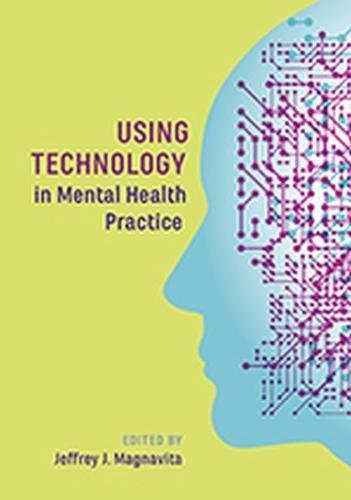
Using Technology in Mental Health Practice is a comprehensive resource designed for behavioral health professionals to explore the integration of electronic health records and other digital tools in psychology and counseling. It addresses the challenges of adopting technology in mental health settings and highlights key methods for improving patient care through digital means.
This book offers practical insights that help ease the transition to technology-enhanced practice. It provides reliable guidance, making it easier to implement electronic health records confidently, saving time and reducing administrative burdens for clinicians.
- Strength: Published by the American Psychological Association, ensuring authoritative and research-based content.
- Use-case: Ideal for mental health practitioners aiming to modernize their record-keeping and improve clinical workflows.
Who Should Consider This Book
This book is perfect for behavioral health professionals, including psychologists and counselors, who want to understand how to effectively use electronic health records and technology to enhance their practice. If you are new to digital tools or looking to improve your current system, this guide offers clear, evidence-based advice.
However, if you are seeking software recommendations or hands-on technical tutorials, this resource may not meet those specific needs. Instead, it focuses on the conceptual and practical framework of technology use in mental health care.
By reading this book, you can reduce confusion about technology adoption and gain confidence in digital transitions. A practical tip is to start integrating small digital tools gradually, using this book as a foundational reference to guide your approach. Rest assured, this resource supports a calm and informed progression toward technology-enhanced behavioral health practice.
How To Choose The Best Electronic Health Records for Behavioral Health
Focus on what fits your professional approach and client needs rather than just features. Consider how the resource supports your workflow and learning style. Balance depth of content with practical application to avoid overwhelm. Reflect on whether the material complements your existing knowledge and tools.
Common Pitfalls And Who Should Consider Other Options
- Expecting quick fixes or simple solutions from complex topics can lead to frustration.
- Those new to mental health practice might find advanced materials less accessible.
- If you prefer interactive or in-person learning, digital-only resources may not suit you.
- Assuming all resources cover every aspect of mental health without gaps can cause missed expectations.
Frequently Asked Questions About Best Electronic Health Records For Behavioral Health
What are the key factors to consider when selecting electronic health records?
Look beyond basic features to assess usability, integration with other systems, and data security. Consider how the system supports your specific behavioral health workflows.
How important is customization in behavioral health records?
Customization helps tailor the system to your practice needs, but too much complexity can hinder ease of use. Balance flexibility with simplicity.
Can these systems handle confidentiality and compliance requirements?
Most reputable systems include features to protect patient privacy and comply with regulations. Verify that the system aligns with your local legal standards.
Are electronic health records suitable for small practices?
Yes, but cost and complexity can vary. Smaller practices should prioritize straightforward, scalable options.
What support can I expect after choosing a system?
Support varies widely; some offer extensive training and ongoing help, others less so. Clarify support services before deciding.
How do I avoid data loss or technical issues?
Ensure regular backups and confirm that the vendor has a reliable technical infrastructure. User training also reduces errors.
Is it possible to switch systems later if needed?
Switching is possible but can be time-consuming. Plan for data migration and staff retraining if you anticipate changes.
Finding Confidence In Best Electronic Health Records for Behavioral Health
Choosing the right resources or systems is a personal process that depends on your unique practice style and goals. Taking time to reflect on your priorities helps reduce uncertainty and supports a thoughtful decision.
With careful consideration, you can select tools and materials that align well with your needs. This approach fosters steady progress and professional satisfaction over time.