
Best Fabric for Car Seat Covers: How to Choose the Right Material
Your car seats deal with a lot every day. From hot summer afternoons and dusty roads to spilled drinks, pet hair, and regular commuting, the original upholstery can gradually lose its appearance. Choosing the right seat cover can help protect your interior while making every journey more comfortable.
However, not every material offers the same benefits. Some fabrics are breathable and comfortable for long drives, while others are better at handling spills, dirt, and heavy use. The right choice depends on your climate, driving habits, budget, and personal preferences.
Finding the best fabric for car seat covers starts with understanding how different materials perform in real-life situations. In this guide, we will compare popular options, explain their advantages and disadvantages, and share practical tips to help you make a confident buying decision.
Why Does Car Seat Cover Fabric Matter?
Car seat covers are more than decorative accessories. They can help protect your original upholstery from everyday wear, stains, friction, and minor damage. A suitable cover can also refresh an older interior without requiring a complete upholstery replacement.
The material you choose affects several important factors.
Comfort: Breathable fabrics may feel more comfortable during long drives, especially in warm weather. Other materials offer a smoother or more cushioned surface.
Durability: Strong fibers, quality stitching, and good construction help a cover withstand repeated use.
Cleaning: Some materials can be wiped with a damp cloth, while others need vacuuming or careful washing.
Appearance: Seat covers are available in different colors, patterns, and textures to match your vehicle’s interior.
Protection: Depending on their construction, some covers provide better resistance to spills, dust, scratches, and moisture.
Keep in mind that material alone does not determine quality. Fabric thickness, backing, stitching, fit, and protective treatments can also influence performance.
1. Polyester: A Versatile Option for Everyday Driving
Polyester is a popular synthetic fiber used in automotive upholstery and aftermarket seat covers. It is widely available, relatively affordable, and offered in many colors and textures.
For drivers who want practical protection without spending too much, polyester is often a useful starting point.
Advantages of Polyester
One major benefit is its versatility. Polyester can be woven or knitted into different fabric structures, allowing manufacturers to create lightweight covers, textured surfaces, and more durable designs.
It generally resists wrinkles and holds its shape well when properly manufactured. Quality polyester fabrics can also offer good resistance to everyday abrasion and fading.
Maintenance is usually straightforward. Depending on the product, you may be able to vacuum the surface, spot-clean small stains, or wash a removable cover according to its care instructions.
Disadvantages of Polyester
Polyester does not absorb much moisture compared with some natural fibers. Certain versions may therefore feel less comfortable when airflow is limited or temperatures are high.
Basic polyester fabric is not automatically waterproof or stain-proof. Spills can still pass through the material, especially when the cover has no protective coating.
Who Should Consider It?
Polyester suits daily commuters, families, and drivers looking for an affordable, low-maintenance option. Choose a well-constructed version with secure attachments and reinforced seams rather than focusing only on its appearance.
2. Neoprene: A Practical Choice for Outdoor Activities
Neoprene is a synthetic rubber material used in various protective products, including certain automotive seat covers. It is particularly popular among people who enjoy camping, swimming, hiking, and other outdoor activities.
Some neoprene covers have a layered construction that helps resist moisture and provides a slightly cushioned feel.
Advantages of Neoprene
Moisture resistance is one of its main attractions. A suitable cover may help protect seats from damp clothing, wet swimsuits, and minor spills when these are cleaned promptly.
Neoprene-style covers are also available in sporty designs that complement SUVs, pickup trucks, and adventure-focused vehicles.
Many products are designed for a close fit, which can help the cover stay in place during regular use.
Disadvantages of Neoprene
The same construction that provides protection may reduce breathability. In a hot vehicle, some neoprene covers can feel warm against the body.
They may also cost more than basic polyester covers. Product quality and composition vary, so check the specifications rather than assuming every cover marketed as neoprene provides identical protection.
Who Should Consider It?
Neoprene may suit drivers who regularly carry outdoor equipment or deal with damp clothing. If your vehicle sits in direct sunlight for much of the day, consider heat retention before choosing a thick, less breathable cover.
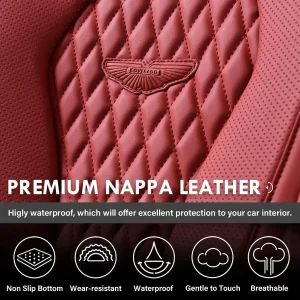
3. Leather and Faux Leather: For a Clean, Premium Appearance
Leather seat covers create a classic automotive look, while faux leather offers a similar style using synthetic materials. These options are popular with drivers who prefer a smooth surface and a polished interior.
Faux leather is commonly made with a polyurethane or polyvinyl chloride coating over a fabric backing. Its durability depends on the coating, backing, and manufacturing quality.
Advantages of Leather and Faux Leather
One of their biggest advantages is easy surface cleaning. Dust and many fresh spills can often be removed with a suitable cloth and a cleaner approved for the material.
They also come in several finishes, from understated black and brown to modern two-tone designs. This makes it easier to coordinate seat covers with dashboards, door panels, and other interior details.
Faux leather can be more affordable than genuine leather while offering a similar visual effect.
Disadvantages of Leather and Faux Leather
Smooth surfaces may become hot after prolonged exposure to sunlight. They can also feel cold in cooler weather before the cabin warms up.
Genuine leather requires suitable maintenance to help preserve its appearance. Lower-quality faux leather may peel, crack, or become damaged through repeated heat exposure and improper cleaning.
Who Should Consider Them?
Choose these materials if appearance and convenient surface cleaning are high priorities. Before buying, examine the construction quality and consider whether the material will remain comfortable in your local climate.
4. Cotton: Soft and Comfortable for Everyday Use
Cotton is a natural fiber appreciated for its familiar texture and breathability. Cotton seat covers are available in plain fabrics, printed designs, and blends that combine cotton with synthetic fibers.
They may appeal to drivers who prefer a traditional fabric feel rather than a smooth leather-like surface.
Advantages of Cotton
Cotton can feel soft and comfortable during daily commuting. A suitable weave allows air to move through the fabric, which may help make the seating surface more pleasant in warm weather.
Some cotton covers are removable and washable, making routine maintenance convenient when the care instructions allow it.
The range of colors and patterns also makes cotton useful for personalizing a vehicle’s interior.
Disadvantages of Cotton
Cotton absorbs moisture, so spilled drinks may soak into the fabric. Stains can become harder to remove if they are left untreated.
Depending on the weave and quality, cotton may also be more susceptible to wear, wrinkles, or fading than certain synthetic alternatives. Incorrect washing can cause shrinkage.
Who Should Consider It?
Cotton is worth considering if you prioritize a soft feel and do not mind occasional cleaning. For vehicles used by children or pets, a washable blend or a product with a suitable protective treatment may be more practical.
5. Mesh Fabric: A Breathable Option for Hot Weather
Mesh fabric has an open structure that can allow more airflow than many solid materials. This makes it appealing to drivers who spend long hours behind the wheel or frequently park in warm conditions.
However, mesh covers vary in construction, so not every product provides the same level of ventilation.
Advantages of Mesh
The main benefit is airflow. A well-designed mesh surface may reduce the feeling of trapped heat and improve comfort during everyday driving.
Mesh covers are often lightweight and can be combined with foam or other fabrics for additional cushioning.
They may be a useful choice for commuters who value ventilation more than moisture protection.
Disadvantages of Mesh
The open structure can allow crumbs, dust, and small debris to collect within the fabric. Some inexpensive versions may stretch, snag, or lose their shape after repeated use.
Mesh also does not provide reliable waterproof protection unless the product includes additional materials or treatments designed for that purpose.
Who Should Consider It?
Mesh is a practical option if airflow is a priority. Look for durable construction, comfortable edges, and a design that fits your seat without sliding or bunching.
6. Microfiber: A Soft Surface With a Modern Feel
Microfiber is made from very fine synthetic fibers, commonly polyester or a polyester blend. It is used in many household and automotive products because it can create a soft, smooth texture.
Advantages of Microfiber
Microfiber covers may feel comfortable against clothing and offer a neat, understated appearance. Depending on the construction, they can be easy to maintain and suitable for regular commuting.
They also come in a range of colors and textures, allowing drivers to personalize the interior without choosing leather or faux leather.
Disadvantages of Microfiber
Some microfiber surfaces attract lint, dust, and pet hair. Certain versions may also show stains if liquids are not cleaned promptly.
The term microfiber does not guarantee waterproofing or stain resistance. These features depend on the particular fabric and any additional treatments.
Who Should Consider It?
Microfiber may suit drivers who value softness and a refined fabric texture. If you frequently travel with pets, choose a durable, tightly constructed cover that is easier to vacuum.
Comparing Popular Car Seat Cover Materials
The right material depends on which features matter most to you. Use this comparison as a general guide, remembering that individual products can perform differently.
| Material | Main benefit | Potential drawback | Best suited for |
|---|---|---|---|
| Polyester | Versatility and value | Breathability varies | Daily commuting |
| Neoprene | Moisture resistance in suitable designs | May retain heat | Outdoor activities |
| Leather | Premium appearance | Requires appropriate care | Style-focused interiors |
| Faux leather | Easy surface cleaning | May crack or peel | Modern interiors |
| Cotton | Soft, breathable feel | Absorbs moisture | Everyday comfort |
| Mesh | Airflow | Can collect debris | Warm-weather driving |
| Microfiber | Soft texture | May attract lint | Comfort-focused drivers |
This comparison can help narrow your choices before you look at specific brands and vehicle-compatible products.
How to Choose the Right Seat Cover for Your Vehicle
Understanding materials is only part of the decision. You should also consider your driving conditions, passengers, cleaning habits, and vehicle design.
1. Think About Your Climate
If you frequently drive in hot weather, prioritize breathable fabrics and avoid choosing a thick cover based on appearance alone.
For outdoor activities or occasional exposure to damp clothing, a suitable water-resistant material may be more useful. Remember that resistance to moisture does not always mean complete waterproofing.
2. Consider Children and Pets
Families may benefit from covers that are easy to wipe clean or washable according to the manufacturer’s instructions.
For pets, look for durable surfaces that are easy to vacuum and less likely to snag. A secure fit is especially important because a loose cover can shift when passengers enter, exit, or adjust their position.
3. Choose the Correct Fit
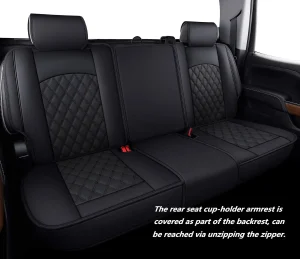
Universal covers are designed for many vehicles, while custom-fit covers are made for specific models or seat configurations.
A well-fitted cover generally looks neater and is less likely to bunch up. Before purchasing, confirm your vehicle’s make, model, year, and seat design.
4. Check Airbag Compatibility
Safety should always come before appearance or price. Many modern vehicles have side airbags installed in the front seats.
Only use seat covers specifically designed and verified for compatibility with your vehicle’s seat-mounted airbags. Follow your vehicle manufacturer’s guidance and ensure the cover does not obstruct airbag deployment areas, seat belts, controls, or adjustment mechanisms.
Do not assume a universal cover is safe simply because it fits the seat. If compatibility is unclear, consult the vehicle manufacturer or a qualified automotive professional.
5. Review Cleaning Requirements
Think about how much time you want to spend maintaining your covers. Some materials need only occasional wiping, while others require vacuuming, spot cleaning, or careful washing.
Check the care label before buying. Harsh chemicals, excessive heat, and unsuitable washing methods can damage fabrics and protective coatings.
6. Balance Quality With Your Budget
The lowest-priced cover may not provide the best long-term value. Weak stitching, poor backing, and unreliable attachments can lead to premature wear.
Look for clear material specifications, reliable customer reviews, quality seams, and a secure installation system. A more expensive product is not automatically superior, so compare the features you will actually use.
Tips to Keep Your Seat Covers in Good Condition
Regular maintenance can help extend the useful life of your seat covers and keep your car interior looking tidy.
- Vacuum regularly: Remove dust, crumbs, and pet hair before they become embedded.
- Clean spills promptly: Blot liquid with a clean cloth instead of rubbing it into the fabric.
- Follow care instructions: Use cleaning products suitable for the specific material.
- Reduce sun exposure: Parking in the shade can help limit heat and sunlight damage.
- Check the fit: Inspect straps, hooks, and seams for signs of wear or movement.
- Dry damp areas: Avoid leaving moisture trapped between the cover and original upholstery, as it can contribute to odors or mildew.
Small maintenance habits can prevent many common problems and reduce the need for frequent replacement.
Frequently Asked Questions
What is the most durable material for car seat covers?
Durability depends on construction, fabric quality, and usage. Well-made polyester fabrics can offer good abrasion resistance, while other specialized materials may suit demanding conditions. Examine stitching, backing, and product specifications before choosing.
Which material is most comfortable in hot weather?
Breathable cotton and suitable mesh fabrics may feel more comfortable when temperatures rise. Actual comfort depends on fabric thickness, airflow, the vehicle’s ventilation system, and how much direct sunlight reaches the seats.
Are faux leather seat covers easy to clean?
Many faux leather covers can be wiped with a damp cloth, making everyday cleaning convenient. Use only suitable cleaners and avoid harsh chemicals that may damage the surface.
Are water-resistant covers worth buying?
They can be useful for families, pet owners, and people who regularly carry outdoor equipment. Check the manufacturer’s description carefully because water resistance varies, and seams may still allow moisture to pass through.
Can I wash seat covers in a washing machine?
Some removable covers are machine-washable, while others require spot cleaning or hand washing. Always follow the manufacturer’s instructions to avoid shrinking, fading, or damaging the backing.
Final Thoughts
Choosing seat covers is about finding the right balance between comfort, protection, appearance, and long-term value. Polyester offers versatility, neoprene may help with moisture protection, leather and faux leather create a polished look, cotton provides a familiar fabric feel, mesh supports airflow, and microfiber offers a soft surface.
Ultimately, the best fabric for car seat covers is the material that suits your climate, daily routine, passengers, and budget. Compare product quality and fit, review the cleaning requirements, and always confirm compatibility with your vehicle’s safety systems.
With careful research, you can choose seat covers that help protect your original upholstery and make everyday driving more comfortable.