
Best Seat Covers for Hot Weather Conditions: Stay Cool and Comfortable
Driving during summer can be uncomfortable, especially when your car has been parked under the sun for several hours. When you open the door, the seats may feel extremely hot. Sitting on them can make you sweat, and long drives can become tiring.
Choosing the best seat covers for hot weather conditions can help make your daily driving experience more comfortable. The right seat covers can improve airflow around your body, protect your original car seats, and reduce the uncomfortable feeling caused by hot upholstery.
However, not all seat covers work well during summer. Some materials hold heat, while others allow air to move more freely. Understanding these differences can help you choose a better option for your vehicle.
In this guide, we will explore the best seat cover materials for summer, their advantages and disadvantages, important buying features, installation tips, and simple ways to keep your car interior comfortable during hot weather.
Why Do Car Seats Get So Hot in Summer?
Car seats become hot mainly because sunlight enters through the windows and warms the surfaces inside your vehicle. The temperature inside a parked car can rise quickly, especially when the windows are closed.
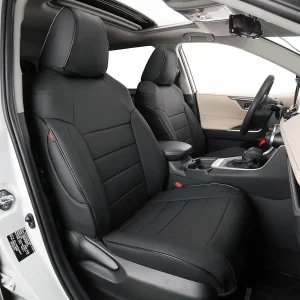
Dark-colored seats often absorb more sunlight than lighter surfaces. Leather, vinyl, and some synthetic upholstery can also feel very hot when exposed to direct sunshine.
Several factors can make your car seats uncomfortable during summer:
- Direct sunlight: Sunlight heats the seats, dashboard, and other interior surfaces.
- Dark upholstery: Black and dark-colored materials can absorb more solar energy.
- Poor airflow: Closed windows prevent fresh air from moving through the cabin.
- Seat material: Some materials transfer heat to your skin more quickly than others.
- High humidity: Humid air makes it harder for sweat to evaporate.
- Long parking periods: Cars parked outdoors can remain hot until the interior is ventilated and cooled.
Hot seats are not only uncomfortable. They can also make clothing stick to the upholstery and create an unpleasant driving experience.
A good summer seat cover can help improve comfort, but it cannot completely prevent your car from heating up. Combining breathable seat covers with sunshades, ventilation, and air conditioning usually provides better results.
What Makes a Good Seat Cover for Hot Weather?
The best summer seat covers should provide comfort, airflow, and protection without making the seat feel bulky.
Here are the most important features to consider.
1. Breathable Material
Breathability is one of the most important qualities of a summer seat cover.
Breathable fabrics allow air and moisture vapor to move more easily through the material. This can reduce the sticky feeling that happens when your back remains pressed against a warm seat.
Mesh, cotton, and some ventilated woven fabrics are useful options.
2. Comfortable Surface
A seat cover should feel comfortable against your clothing and skin.
Rough materials may become irritating during long journeys. Soft, smooth fabrics can make driving more pleasant, especially when you spend several hours behind the wheel.
Choose a material that feels comfortable without adding excessive padding.
3. Moisture Management
Sweating is common during summer driving.
A seat cover that absorbs moisture or allows it to evaporate can help reduce discomfort. Some synthetic performance fabrics are designed to move moisture away from the surface.
However, moisture-wicking performance depends on the actual fabric construction, not simply the material name.
4. Easy Cleaning
Summer seat covers may collect sweat, dust, food crumbs, and other dirt.
Washable covers are convenient for drivers who travel frequently or have children and pets.
Always check the manufacturer’s cleaning instructions before washing.
5. Proper Fit and Safety
A loose seat cover may shift whenever you enter or leave the vehicle.
Choose a cover designed for your vehicle’s seat shape and safety features.
Most importantly, check whether your vehicle has seat-mounted side airbags. Some aftermarket covers can interfere with their deployment. Follow your vehicle manufacturer’s guidance and use only suitable, approved options.
7 Best Seat Cover Materials for Hot Weather
Different materials offer different levels of airflow, softness, durability, and protection.
Let’s compare seven popular options that may work well for summer driving.
1. Mesh Seat Covers: Best for Airflow
Mesh seat covers are among the most practical choices for warm weather.
Mesh fabric contains small openings that allow air to circulate more easily than tightly woven or solid materials.
This construction can help reduce the uncomfortable feeling of sitting against a non-breathable surface.
Benefits of mesh seat covers:
- Allow better airflow around the seating surface
- Often feel lightweight and flexible
- Can reduce moisture buildup
- Available in different designs
- Usually easy to maintain
- Suitable for many everyday driving situations
Mesh seat covers are especially useful for drivers living in hot or humid areas.
They can also be helpful for people who drive long distances or use their cars for work.
However, not all mesh covers perform equally. Some contain thick foam layers or non-breathable backing materials that reduce airflow.
Best for: Daily commuters, summer road trips, and drivers who prioritize ventilation.
2. Cotton Seat Covers: Best for Natural Comfort
Cotton is another popular option for warm-weather driving.
It is a natural fiber that generally feels soft against the skin. Many cotton fabrics allow air to pass through and absorb moisture.
This makes cotton an attractive choice for people who prefer a simple and comfortable seat surface.
Benefits of cotton seat covers:
- Soft and comfortable texture
- Natural fiber construction
- Good moisture absorption
- Available in different colors
- Suitable for regular daily use
- Often washable, depending on the product
Cotton also has some disadvantages.
Because cotton absorbs moisture, it may remain damp after heavy sweating. Some cotton covers can shrink or wrinkle when washed incorrectly.
For better results, choose a durable cotton fabric with a secure fit and follow its care instructions.
Best for: Drivers who prefer soft, natural fabrics and easy everyday comfort.
3. Bamboo-Blend Seat Covers: Best for a Soft Feel
Bamboo-based textiles have become popular in clothing, bedding, and automotive accessories.
Many products advertised as bamboo fabrics are actually made from regenerated cellulose fibers, such as viscose derived from bamboo.
These fabrics often have a smooth and soft texture.
Depending on the weave and backing material, bamboo-blend seat covers may provide a pleasant seating surface during summer.
Benefits of bamboo-blend covers:
- Smooth and soft texture
- Comfortable against clothing
- Available in lightweight designs
- Can absorb moisture
- Often suitable for warm-weather use
When shopping, check the fabric label carefully.
A product described as bamboo does not automatically offer better cooling performance than cotton or mesh.
The overall construction, thickness, and airflow matter more than the marketing description.
Best for: Drivers who prefer a smooth, soft fabric surface.
4. Linen-Blend Seat Covers: Best for Lightweight Comfort
Linen is known for its breathable woven structure and comfortable feel in warm climates.
Some automotive seat covers use linen-style fabrics or blends containing linen and synthetic fibers.
These materials can provide a lightweight and attractive seating surface.
Benefits of linen-blend seat covers:
- Comfortable woven texture
- Good airflow in suitable designs
- Stylish appearance
- Often available in neutral colors
- Useful for warm-weather driving
Linen can wrinkle more easily than some synthetic materials. It may also require additional care to maintain its appearance.
A blended fabric may offer better durability while keeping some of the qualities people like about linen.
Best for: Drivers who want breathable fabric with a simple, elegant interior style.
5. Ventilated Polyester Seat Covers: Best for Easy Maintenance
Polyester is widely used in automotive accessories because it is durable and often easy to maintain.
However, polyester is not always a cooling material.
Its comfort depends heavily on how the fabric is made.
A tightly constructed polyester cover may trap heat and moisture, while a lightweight performance mesh can provide better airflow.
Benefits of ventilated polyester covers:
- Good durability
- Often resistant to wrinkles
- Available in many colors
- May dry faster than cotton
- Usually affordable
- Suitable for frequent use
Some polyester fabrics also feature moisture-wicking designs.
These can help move sweat away from the seating surface, although performance varies between products.
Choose a breathable construction rather than selecting polyester based on its name alone.
Best for: Families, commuters, and drivers looking for easy-care seat protection.
6. Neoprene Seat Covers: Best for Spill Protection
Neoprene is commonly used in protective automotive seat covers.
It is popular because many neoprene-based covers resist water and help protect original upholstery from spills, dirt, and everyday wear.
However, neoprene is not usually the first choice for maximum breathability.
Traditional neoprene has a relatively closed structure, which can limit airflow.
Benefits of neoprene seat covers:
- Good protection against many everyday spills
- Durable construction
- Often provides a snug appearance
- Useful for outdoor activities
- Suitable for families and active lifestyles
The biggest disadvantage during summer is heat and moisture buildup.
Some products combine neoprene with ventilated sections or other fabrics to improve comfort.
If you live in a very hot area, compare neoprene with mesh and woven fabric alternatives before buying.
Best for: Drivers who prioritize water resistance and upholstery protection over maximum airflow.
7. Ventilated Leatherette Seat Covers: Best for Style
Leatherette, also called faux leather or synthetic leather, is a popular choice for drivers who want a premium interior appearance.
It is generally easier to wipe clean than many woven fabrics.
However, ordinary leatherette covers can feel hot after exposure to direct sunlight.
They also tend to allow less airflow than breathable mesh.
Benefits of ventilated leatherette covers:
- Attractive appearance
- Easy surface cleaning
- Good protection from minor spills
- Available in many colors
- Often durable with proper care
If you prefer leatherette, look for a design with suitable perforations and breathable construction.
Remember that visible perforations alone do not guarantee good airflow, especially when the backing layer is not ventilated.
Best for: Drivers who value appearance and easy cleaning but still want improved summer comfort.
Comparing Summer Seat Cover Materials
Choosing between different materials becomes easier when you understand their main strengths.
| Seat Cover Material | Airflow Potential | Main Advantage | Main Limitation |
|---|---|---|---|
| Mesh | High | Excellent ventilation | Quality depends on backing |
| Cotton | Moderate to high | Soft natural comfort | Can retain moisture |
| Bamboo-blend | Varies | Smooth texture | Cooling depends on construction |
| Linen-blend | Moderate to high | Lightweight woven feel | May wrinkle |
| Ventilated polyester | Moderate to high | Durability and easy care | Depends on fabric design |
| Neoprene | Low to moderate | Spill protection | Can trap heat |
| Ventilated leatherette | Low to moderate | Style and easy cleaning | Can become hot |
These ratings are general material characteristics, not laboratory test results for specific products.
For most drivers who want better airflow, mesh and lightweight woven covers are good starting points.
How to Choose the Best Seat Covers for Hot Weather Conditions
Selecting the right summer seat cover requires more than choosing an attractive design.
You should consider your local climate, driving habits, vehicle model, and personal comfort preferences.
Consider Your Local Climate
If you live in a hot and humid area, airflow and moisture management should be your priorities.
Mesh or lightweight woven fabrics may be suitable.
In hot, dry regions, you may also want to focus on reducing direct sunlight and selecting covers that do not feel excessively hot after parking.
Choose a Suitable Color
Color can influence how much sunlight a surface absorbs.
Light gray, beige, and other light shades may absorb less solar energy than black materials under similar conditions.
However, fabric construction and vehicle conditions also affect how hot a seat feels.
Choose a color that works with your interior and is practical to maintain.
Check Your Vehicle Model
Car seats are not all the same size.
A cover made for a small sedan may not fit the seats of a large truck or SUV.
Check the manufacturer’s fit guide before purchasing.
For Ford owners, this is especially important because seat shapes and safety systems differ across models and model years.
Consider Your Driving Habits
If you drive only a short distance each day, a basic breathable cover may provide enough comfort.
For long-distance driving, prioritize secure fit, suitable cushioning, airflow, and material quality.
Families with children may need covers that are easier to clean.
Drivers who regularly carry outdoor equipment may prefer stronger water-resistant materials.
Review Installation Requirements
Look for clear fitting instructions and secure attachment points.
Avoid covers that interfere with seat belts, seat controls, airbags, or other safety equipment.
A product’s compatibility information should identify the vehicles and seating systems for which it is intended.
Are Cooling Car Seat Covers Worth Buying?
Cooling car seat covers are designed to make sitting more comfortable during warm weather.
However, the term “cooling” can describe different products.
Some simply use breathable fabrics, while others include ventilation fans.
Passive cooling covers do not create cold air. They mainly improve the seating surface or allow more airflow.
Powered ventilated cushions may move air through channels or perforations, but their performance depends on the product design.
Before buying a powered cooling cover, consider:
- Power source and cable placement
- Noise produced by the fan
- Seat compatibility
- Cleaning requirements
- Safety instructions
- Product warranty
Do not assume that every powered cushion is compatible with a seat containing airbags, heating elements, or occupant sensors.
Always consult your vehicle owner’s manual and the accessory manufacturer’s guidance.
How to Install Summer Seat Covers Properly
Proper installation helps keep a seat cover secure and comfortable.
Start by cleaning the original upholstery and removing loose dirt.
Next, review the installation instructions supplied with the seat cover.
Confirm that the product is suitable for your specific vehicle.
If the vehicle manufacturer permits the accessory, position the cover carefully and attach the supplied straps or fasteners as instructed.
Check that the cover does not slide or fold when you sit down.
Before driving, make sure the installation does not interfere with seat adjustments, buckles, airbags, or other safety systems.
Never modify airbag seams or cut a cover to create your own airbag opening.
If you are unsure whether a product is safe for your seat, consult the vehicle manufacturer or an authorized dealer.
Simple Ways to Keep Car Seats Cooler in Summer
Even excellent seat covers work better when you take steps to reduce heat inside your vehicle.
Here are several useful habits.
Use a Windshield Sunshade
A reflective windshield sunshade can reduce direct sunlight reaching your dashboard and front seats.
Choose a sunshade that fits your windshield properly.
Park in a Shaded Area
Whenever possible, park under a suitable shaded structure.
Reducing direct sunlight can help limit how much heat builds up on interior surfaces.
Ventilate Before Driving
After entering a hot car, open the doors or windows briefly when it is safe to do so.
This helps release some of the trapped hot air.
Use Air Conditioning Effectively
Your car’s air conditioning system is important for managing cabin temperature and humidity.
Once the cabin begins cooling, follow the manufacturer’s recommended ventilation settings.
Keep Seat Covers Clean
Dust, sweat, and debris can affect the comfort and appearance of your seat covers.
Regular cleaning helps maintain a more pleasant seating surface.
Avoid Unnecessary Thick Layers
Adding several thick cushions or covers may reduce airflow and create an uncomfortable seating position.
Use accessories that fit correctly and do not interfere with vehicle safety features.
Common Mistakes to Avoid When Buying Summer Seat Covers
Many drivers purchase seat covers based mainly on price or appearance.
This can lead to disappointment during hot weather.
One common mistake is choosing thick, non-breathable materials simply because they look luxurious.
Another is assuming that every product advertised as cooling actually lowers seat temperature.
Some covers only improve airflow or change how the seating surface feels.
Buying a universal cover without checking fit is another mistake. Poorly fitted covers may wrinkle, slide, or interfere with seat functions.
You should also avoid ignoring cleaning requirements.
A cover that needs special maintenance may not be practical for frequent daily use.
Finally, do not overlook safety. Vehicle-specific fit and manufacturer instructions are more important than decorative features.
How to Maintain Your Seat Covers During Summer
Taking care of your seat covers can help extend their useful life.
For fabric covers, remove loose dust with a vacuum cleaner or soft brush.
Treat stains according to the care label.
Some covers can be machine washed, while others require hand cleaning.
Avoid using strong cleaning chemicals unless the manufacturer recommends them.
After washing, allow the cover to dry completely before reinstalling it.
For leatherette covers, gently wipe the surface with a suitable cleaning product.
Check for worn straps, loose seams, or damage that may affect fit.
Regular care can keep your car interior looking cleaner and feeling more comfortable throughout the summer.
Frequently Asked Questions
1. What Are the Best Seat Covers for Hot Weather Conditions?
Mesh seat covers and lightweight woven fabrics are often good choices for summer because they can provide better airflow. Cotton and certain ventilated polyester covers may also offer comfortable seating. The right choice depends on your vehicle, climate, and personal preferences.
2. Are Mesh Seat Covers Better Than Leather Covers in Summer?
Mesh usually allows more airflow than solid leatherette materials. This can make mesh more comfortable in hot and humid weather. However, the actual performance depends on the cover’s construction, thickness, and backing material.
3. Do Seat Covers Really Keep Car Seats Cool?
Seat covers can improve comfort, but most do not actively lower the temperature of the seat. Breathable materials may reduce moisture buildup and improve airflow. Sunshades, ventilation, and air conditioning are also important for managing cabin heat.
4. Which Seat Cover Material Is Best for Sweaty Drivers?
Breathable mesh and moisture-wicking performance fabrics are worth considering. Cotton can feel comfortable but may stay damp because it absorbs moisture. Look for lightweight materials that allow moisture to escape.
5. Are Cotton Seat Covers Good for Summer?
Yes, cotton can be comfortable in warm weather because it is generally soft and breathable. However, it may absorb sweat and take longer to dry than some synthetic performance fabrics.
6. Can I Use Universal Seat Covers in My Ford?
Some universal covers may physically fit certain Ford seats, but fit alone does not establish safety compatibility. Check the exact model, year, seat design, and manufacturer guidance, especially if your vehicle has seat-mounted side airbags.
7. How Often Should I Wash My Summer Seat Covers?
Cleaning frequency depends on how often you drive and how dirty the covers become. Inspect them regularly and clean them when they collect sweat, stains, or noticeable dirt. Always follow the product’s care instructions.
8. Should I Buy Expensive Cooling Seat Covers?
Not necessarily. A well-made breathable cover may provide suitable comfort at a reasonable price. More expensive products can offer additional features, but price alone does not guarantee better cooling.
Final Thoughts
Finding the best seat covers for hot weather conditions can make summer driving more pleasant, especially if you spend a lot of time in your vehicle.
Mesh covers are a strong option when airflow is your main concern. Cotton and other breathable woven fabrics may provide soft, comfortable seating. Ventilated polyester can offer easy maintenance, while neoprene and leatherette may be more suitable when spill protection or appearance matters most.
The most important thing is to choose a cover that matches your climate, driving habits, and vehicle safety requirements.
Remember that seat covers are only one part of summer comfort. Parking in the shade, using a windshield sunshade, and cooling the cabin properly can also make a noticeable difference.
At FordFast, we help drivers learn more about practical automotive accessories, vehicle care, and ways to improve everyday driving comfort.
Explore our related guide on choosing the best car seat covers to learn more about protecting your vehicle’s interior.