
The question of where is WeatherTech made points directly to the United States, with most vehicle accessories manufactured in Bolingbrook, Illinois. The company builds its core products, including FloorLiners and cargo mats, across several local factory locations using American raw materials. A small selection of specialty catalog items comes from partnered suppliers outside the country.
Where WeatherTech is made
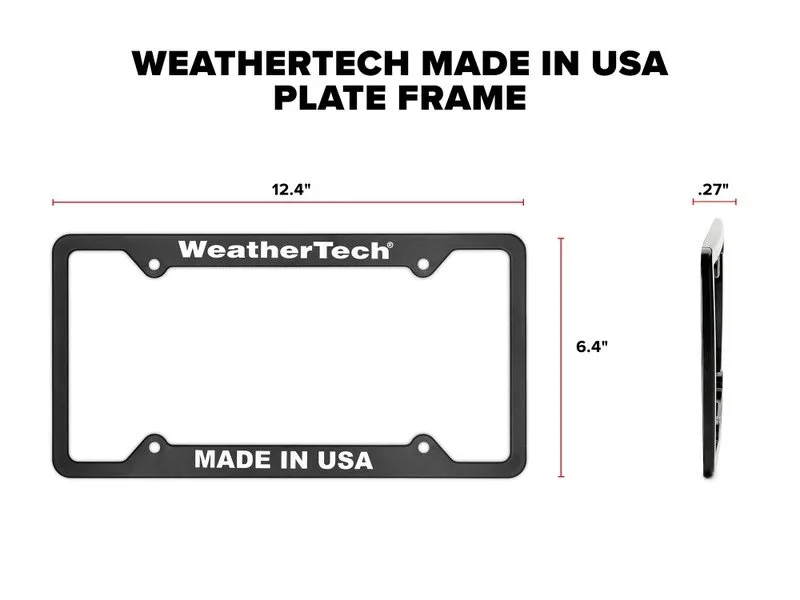
- WeatherTech produces its floor mats, liners, and heavy plastic accessories in Bolingbrook, Illinois.
- Over 95 percent of the company’s product line is manufactured in American facilities using domestic tooling.
- The raw resin used for molding FloorLiners comes from chemical plants located in the United States.
- Certain branded lifestyle items, such as the TechCare battery charger, are built by foreign partners.
- If a product says “Made in USA”, it meets standards for domestic assembly.
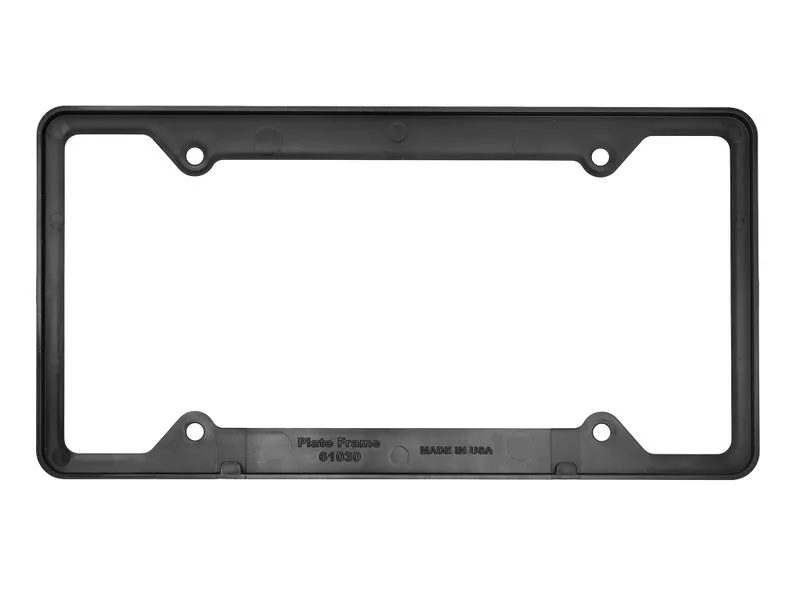
- You can check the exact origin of any part by reading the molded stamp on its back.
Why domestic factory ownership drives production
WeatherTech owns its manufacturing infrastructure to maintain tight control over product fit and material specs. Founder David MacNeil moved tooling back from Europe in the early 2000s after relying on contract plants in Germany and England. By building factories in Illinois, the company cut weeks off prototyping schedules for newly released vehicle bodies.
They use a sheet-extrusion and thermoforming method rather than standard injection molding for floor liners. Large machines heat proprietary Thermopolyolefin (TPO) sheets and pull them over custom aluminum molds using a vacuum. The Federal Trade Commission standard for Made in USA claims requires that a product be ‘all or virtually all’ made in the United States to carry an unqualified domestic label. WeatherTech buys American steel for its molds, American-made milling machinery, and US-sourced resin pellets.
The trade-off is clear: keeping operations in Illinois leads to higher labor costs and steeper retail prices than overseas competitors charge. An honest limit stated plainly is that this varies by model — check the label on accessory items before purchase. A few catalog goods, like trickle chargers and luggage bags, can’t be built domestically at a viable cost.
When the answer is different
While core mats are American, sourcing shifts depending on the specific product line you buy.
| Situation | What changes | What to do instead |
|---|---|---|
| Buying TechCare battery chargers | Built by foreign electronics suppliers | Check packaging for country text |
| Purchasing leather care fluids | Bottles blended under domestic contract | Read back label for maker |
| Buying licensed branded apparel | Fabric cut outside the United States | Check sewn collar tags |
| Selecting universal trim-to-fit mats | Molded in local Illinois facilities | Verify the American flag stamp |
| Choosing phone cup holders | Tooling and plastic molded in-house | Look for raised factory mark |
How to do it properly
- Locate the white barcode sticker on your WeatherTech shipping box before throwing the packaging away.
- Read the fine text directly below the part number to find the country of origin.
- Flip the mat or accessory over onto a clean, dry work surface under bright garage lighting.
- Search the underside surface for a raised emblem shaped like the American flag or domestic map.
- Wipe the raised area with a damp microfiber cloth if mold release powder hides the letters.
The mistakes that ruin it
- Assuming every catalog accessory is domestic: buying electronics without checking the label leads to unwanted imports.
- Confusing design location with manufacturing: assuming European-brand vehicle mats ship from Europe wastes shipping return fees.
- Buying third-party copies online: paying full price for cheap imports costs money and leaves you without warranty support.
- Throwing out packing inserts early: losing the printed registration sheet makes warranty claims take twice as long.
Frequently asked questions
Are all WeatherTech products made in America?
No, not every item is made domestically. Most mats, liners, mud flaps, and deflectors are made in Bolingbrook, Illinois, but select accessories like battery maintainers come from overseas suppliers. Who this isn’t for: buyers who insist on 100% domestic parts across every catalog category, including complex electronics.
Where is WeatherTech based?
Bolingbrook, Illinois. The company operates multiple production, warehouse, and customer service facilities within the village’s industrial business parks. Raw plastic processing, tool design, sheet extrusion, and high-volume order shipping happen in these connected locations southwest of Chicago.
Who owns the WeatherTech brand?
MacNeil Automotive Products Limited owns the WeatherTech brand. David MacNeil founded the company in 1989 to import high-end floor mats, later transitioning into domestic manufacturing. It remains a privately held American corporation managed by the MacNeil family from its Illinois corporate headquarters.
Can you wash WeatherTech mats with household dish soap?
Yes, you can use standard liquid dish soap mixed with warm tap water. If dirt is baked on, do a stiff brush scrub; if oil stains remain, apply a degreasing cleaner. Avoid petroleum-based tire shine sprays, which ruin the mat surface and make foot pedals dangerously slippery.
How do I check if my WeatherTech mat is real?
Check the bottom surface for a clean, molded-in manufacturer logo and part number. Real mats have sharp, legible text and precise cutouts for factory floor retaining clips. Counterfeits use soft, smelly plastics with blurry molded markings and poor edge fitment along the carpet threshold.
Is WeatherTech plastic toxic?
No, the plastic is non-toxic and recyclable. WeatherTech uses custom Thermopolyolefin (TPO) blends that contain no latex, cadmium, lead, or PVCs. The material doesn’t produce harsh chemical off-gassing odors inside hot, enclosed vehicle cabins during high-temperature summer weather.
Final Thoughts
If you’re planning to upgrade your vehicle’s interior, you shouldn’t hesitate to check their official website for a custom fit. It’s a great way to protect your car’s floors while supporting local jobs. You’ll see that quality craftsmanship doesn’t have to be complicated, and your ride will definitely thank you for it.
Related guides
- Where are Husky Floor Mats Made? Unveiling the Manufacturing Secrets
- Leather Honey Leather Cleaner — Non-Toxic UV Protection, Made in the USA
- Where are Wrangler Jeeps Made: Their Origin Secrets