
What is the Best Height for a Toilet height for your home or business might seem simple. But the truth is, it’s a detail that affects comfort, safety, and even health. If you’ve ever wondered why some toilets feel awkwardly low or too high, you’re not alone.
The right toilet height makes a big difference, especially for children, older adults, and people with mobility challenges. Yet, there’s no single answer that fits everyone. Let’s dive into the real factors that shape the best height for a toilet—and help you choose with confidence.
Why Toilet Height Matters
Many people overlook toilet height when shopping for a new fixture. But just like a chair, the height impacts how you sit, stand, and even how your body functions during use. A toilet that’s too low can strain your knees and back. One that’s too tall can make your feet dangle, which is uncomfortable and even unsafe. For children, standard toilets can be hard to use alone. For seniors or people with disabilities, the right height can help prevent falls and injuries.
What’s more, the right height supports better posture. This can help with digestion and make using the toilet less stressful for your body. In short, the best toilet height is not just about style or trends—it’s about your daily comfort and long-term health.
Standard Toilet Heights Explained
Toilets come in different heights, but two main categories dominate the market:
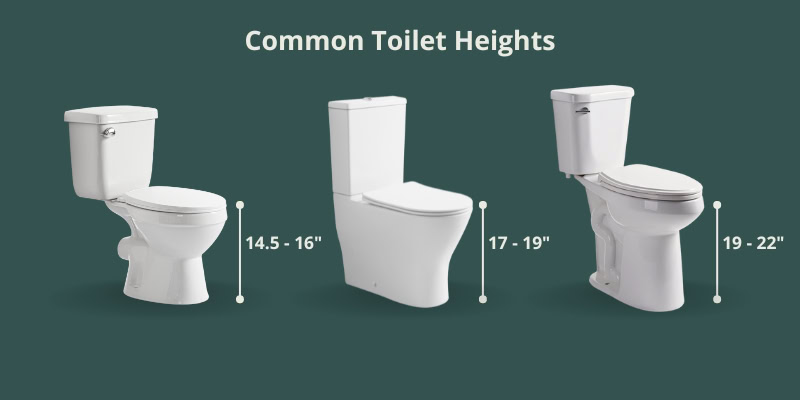
- Standard Height Toilets: These toilets usually measure between 14 and 15 inches from the floor to the top of the seat. This is the traditional size found in older homes and public spaces.
- Comfort Height (ADA) Toilets: Also called “right height” or “chair height” toilets, these range from 17 to 19 inches high, matching the height of a standard chair.
To give you a clearer picture, here’s a comparison:
| Toilet Type | Height (floor to seat) | Best For |
|---|---|---|
| Standard | 14-15 inches | Children, shorter adults |
| Comfort (ADA) | 17-19 inches | Older adults, taller users, mobility issues |
The Americans with Disabilities Act (ADA) recommends toilets with a seat height of 17 to 19 inches for accessible public restrooms. This has become popular in homes, too, as families want bathrooms that work for everyone.
Factors That Influence The Best Toilet Height
No single height is perfect for every user. Here are the main factors to consider:
User Height And Age
- Children generally need lower toilets—standard height or even special “junior” models.
- Adults between 5’4” and 5’10” often find standard heights comfortable.
- Taller individuals and seniors usually prefer comfort height toilets for easier sitting and standing.
Mobility And Health Needs
Anyone with arthritis, knee pain, or limited mobility benefits from a taller toilet. The extra height reduces how far you need to bend your knees or hips. That’s why comfort height toilets are often installed in hospitals and senior living facilities.
Bathroom Location
- Main bathrooms often have comfort height toilets for guests of all ages.
- Kids’ bathrooms may use lower toilets or add step stools for better access.
- Guest bathrooms should consider the needs of all potential users, especially aging relatives.
Cultural And Personal Preference
Some people prefer squatting, which is easier with lower toilets or squat toilets. Others find a higher seat more dignified and comfortable. In places like Japan, you might find a mix of both styles, reflecting different cultural norms.
Plumbing And Local Codes
Older homes may have plumbing that fits only certain toilet heights. Local building codes, especially for public buildings, may require ADA-compliant toilets in some areas.
How To Measure Toilet Height Correctly
To avoid confusion, always measure from the floor to the top of the toilet seat (not the rim). Some manufacturers list height to the bowl rim, which can be misleading. If you’re replacing a toilet and want the same feel, measure your current seat height.
Tip: Add the seat thickness if measuring a bowl without a seat. Most seats add about 1 inch.
The Benefits Of The Right Toilet Height
Choosing the right height does more than boost comfort. Here’s what the right toilet height can do:
- Reduce joint pain: Less strain on knees and hips, especially for elderly users.
- Increase independence: Easier for kids and those with disabilities to use alone.
- Improve safety: Lower risk of falls, especially in wet bathrooms.
- Enhance hygiene: Proper posture makes cleaning easier for caregivers and users.
- Support better digestion: Some evidence suggests a slight squat is healthiest, so very high toilets may not always be best.
Many homeowners overlook these benefits, focusing only on appearance or cost. But the right height can add years of comfort and safety.
Toilet Height Options: Types And Their Uses
Let’s look at the main types of toilet heights you’ll find on the market:
Standard Height Toilets (14-15 Inches)
These are the classic toilets found in homes built before the 2000s. They’re best for:
- Children: Easier to climb and use.
- Shorter adults: More natural sitting position.
- Budget-conscious buyers: Standard toilets often cost less.
Comfort Height Toilets (17-19 Inches)
Comfort height is the new standard in many homes. These are:
- Easier for seniors: Less bending, easier to stand up.
- ADA compliant: Required in public restrooms for accessibility.
- Better for tall users: Reduces awkward leg angles.
Custom And Adjustable Heights
Some modern toilets offer adjustable seats or even wall-mounted designs. Wall-mounted toilets can be set at any height during installation. These are perfect for custom bathrooms or users with specific needs.
Children’s/juvenile Toilets
Specially designed toilets for schools or homes with young children. These are usually 10-12 inches high and make potty training much easier.

Comparing Toilet Heights: Real-world Scenarios
Choosing the best height isn’t just about numbers—it’s about real people and situations. Here are some examples:
| User Type | Recommended Toilet Height | Why |
|---|---|---|
| Child (under 10) | 10-12 inches | Easy access, supports independence |
| Adult (average height) | 14-16 inches | Natural sitting posture |
| Tall adult (over 6’0”) | 17-19 inches | Reduces knee strain |
| Senior/Disabled | 17-19 inches | Meets ADA, safer transfers |
A common mistake: Some families buy only comfort height toilets because they seem “modern.” But if you have small children, they may struggle to use them without help or a step stool.
Common Myths About Toilet Height
Many buyers get confused by marketing terms or advice from friends. Here are two myths you should know:
- “Higher toilets are always better.” Not true. If a toilet is too high, your feet may not touch the floor, which is uncomfortable and can make you feel unsteady.
- “Standard is outdated.” Also false. For children, short adults, and some cultures, standard height is still ideal.
Understanding your real needs is better than following trends.
How Toilet Height Affects Health
Toilet height is more than a comfort issue. It can impact your body in ways you might not expect.
Squatting Vs. Sitting
Medical studies show that squatting can help with bowel movements. Lower toilets allow a deeper squat, which straightens the colon and reduces straining. However, most people in the US prefer sitting toilets for hygiene and comfort.
If you have trouble with constipation, very high toilets may not be best. A footstool can help create a squatting position, even on taller toilets.
Joint And Muscle Stress
If you have knee, hip, or back pain, sitting down and standing up from a low toilet can hurt. Comfort height toilets reduce this stress. For those recovering from surgery or with arthritis, this change can be life-changing.
Children And Toilet Training
Kids feel more confident and learn faster with a toilet they can reach. Using adult-sized toilets can cause fear or accidents. For families, a lower toilet or a step stool is usually best during the early years.
Practical Tips For Choosing Toilet Height
Selecting the right height is easier if you try these steps:
- Test before you buy: If possible, visit a showroom. Sit on different toilets with your shoes on. Your feet should rest flat and your knees should be at a comfortable angle.
- Consider all users: Think about everyone who will use the bathroom, including guests or future family members.
- Plan for the future: If you plan to age in place, a comfort height toilet might save you from needing to replace it later.
- Don’t ignore kids: If children will use the bathroom, a step stool can help them reach a comfort height toilet.
- Check local codes: Some areas require ADA toilets in new builds or renovations.
- Measure your space: Some taller toilets are bulkier, so make sure your bathroom has enough room.
Installation And Retrofitting: What To Know
Installing a new toilet can reveal surprises. Here’s what you should check:
- Flooring: A thicker floor can raise or lower your final seat height.
- Wax ring fit: Swapping a standard for a comfort height may require a different wax ring or flange.
- Wall-mounted toilets: These allow custom heights but need special installation.
If you’re retrofitting, measure carefully. Even a 2-inch change can feel dramatic.
Toilet Accessories For Adjusting Height
If replacing your toilet isn’t an option, there are ways to adjust height:
- Raised toilet seats: Adds 2-6 inches. Good for temporary needs or renters.
- Toilet seat risers with handles: Combine extra height with support for sitting and standing.
- Step stools for children: Help kids reach the seat safely.
These can be a cost-effective solution, but they may not be as stable or stylish as a full replacement.
Real-world Examples: Who Needs Which Height?
Let’s look at some real-life situations:
- A family with toddlers: A standard height toilet with a step stool works best, allowing kids to climb up and feel secure. As kids grow, they can transition to comfort height.
- A senior living alone: A comfort height toilet reduces fall risk and supports independence. Adding grab bars completes the setup.
- A home with mixed needs: If you have bathrooms on different floors, you might install standard height in the kids’ area and comfort height in the main bath. This makes the home flexible for everyone.
Mistakes To Avoid When Choosing Toilet Height
Many people make avoidable mistakes when picking a toilet. Here are the most common:
- Ignoring all users: Only considering your own height can lead to problems for guests or family members.
- Choosing only by looks: Some stylish toilets are much taller or shorter than average.
- Not measuring: Even small bathrooms need careful planning. A tall toilet may block doors or make the room feel cramped.
- Overlooking code requirements: If you’re selling your home or updating a rental, check if ADA compliance is needed.
- Skipping the test sit: It’s surprising how different toilets feel in real life. Always try before you buy if possible.
Toilet Height And Home Value
Does toilet height affect your home’s value? It can, especially for buyers thinking about aging in place or accessibility. Many real estate agents say that accessible bathrooms (with comfort height toilets and grab bars) attract more buyers. Even if you don’t need it now, future-proofing your bathroom is often a smart investment.
How Culture And Trends Are Changing Toilet Heights
Globally, there’s a shift toward higher toilets, but this isn’t true everywhere. In parts of Asia and Africa, squat toilets are still common. In Europe and the US, comfort height toilets have surged in popularity over the last 20 years.
Some designers now offer adjustable-height wall toilets for luxury homes.
Still, personal comfort matters more than trends. Don’t feel pressured to choose what’s “in style” if it doesn’t fit your family’s needs.

Environmental Impact Of Toilet Height
A less obvious insight: toilet height can impact water usage. Taller toilets sometimes have larger tanks, but this isn’t always true. When shopping, look for WaterSense labeled toilets, which use less than 1.28 gallons per flush. Efficient toilets are available in both standard and comfort heights.
Toilet Height In Commercial And Public Spaces
In public restrooms, ADA standards require accessible toilets at 17-19 inches. This ensures people with disabilities can use them safely. Many businesses now add both standard and ADA stalls to cover all needs. If you’re designing a public restroom, always check the latest local codes.
For more on ADA requirements, the official ADA.gov website is a trusted source.
Future Trends: Smart And Adjustable Toilets
Technology is changing bathrooms. Some new toilets offer motorized adjustable seats, letting users pick the height that works for them. These are expensive but could become more common in luxury homes or care facilities. Wall-mounted toilets also allow flexibility, as the installer sets the height.
Summary Table: Toilet Height At A Glance
Here’s a snapshot to help you decide:
| Height Range | Best For | Notes |
|---|---|---|
| 10-12 inches | Children | Easy potty training, rare in homes |
| 14-15 inches | Standard adults, children | Classic, good for most families |
| 17-19 inches | Tall adults, seniors, disabled | ADA compliant, popular in new builds |
| Custom/adjustable | Special needs, luxury homes | Wall-mounted or smart toilets |
When To Replace Your Toilet For Height Reasons
Sometimes, it’s not enough to add a riser or stool. You should consider replacing your toilet if:
- Users struggle to sit or stand safely.
- Children have frequent accidents because the seat is too high.
- You’re renovating for aging in place or accessibility.
- The current toilet is very old and less efficient.
Remember, the cost of a new toilet is often small compared to the comfort and safety gains.
Final Thoughts: Finding Your Best Toilet Height
Choosing the best height for a toilet is deeply personal but easy to get wrong if you rush. Think beyond just your height—consider who will use the bathroom now and in the future. Don’t let trends or marketing terms sway your decision.
Comfort, safety, and accessibility should guide your choice.
If in doubt, test different heights and talk to people who will use the bathroom most. With the right information and a little planning, you can make a choice that adds value and comfort for years to come.
Frequently Asked Questions
What Is The Most Common Toilet Height In Us Homes?
Most older US homes have standard height toilets around 14-15 inches. However, newer homes often use comfort height toilets (17-19 inches), especially in main bathrooms or those designed for accessibility.
Is Comfort Height The Same As Ada Height?
Comfort height toilets are usually the same as ADA-compliant toilets, measuring 17-19 inches from the floor to the top of the seat. However, only toilets that meet all ADA requirements (including location and grab bars) are fully compliant.
Can I Make My Current Toilet Taller Without Replacing It?
Yes, you can use a raised toilet seat or a seat riser to add 2-6 inches. These are easy to install and remove but may not be as stable as a new, taller toilet.
What Height Toilet Is Best For Seniors?
For most seniors, a comfort height toilet (17-19 inches) is safest and most comfortable. This height makes it easier to sit and stand, reducing the risk of falls.
Should I Get A Different Toilet Height For Children?
If you have small children, a standard height toilet (14-15 inches) or even a juvenile toilet (10-12 inches) is best. For homes with both kids and adults, a step stool can help children use a comfort height toilet safely.