
How to measure for pontoon seat covers comes down to recording the widest width, full front-to-back depth, and backrest height across each bench using a flexible tailor’s tape, then adding 1 to 2 inches for seam allowance. This method suits boat owners replacing faded vinyl skins or buying semi-custom fabric slipcovers.
What you’ll need
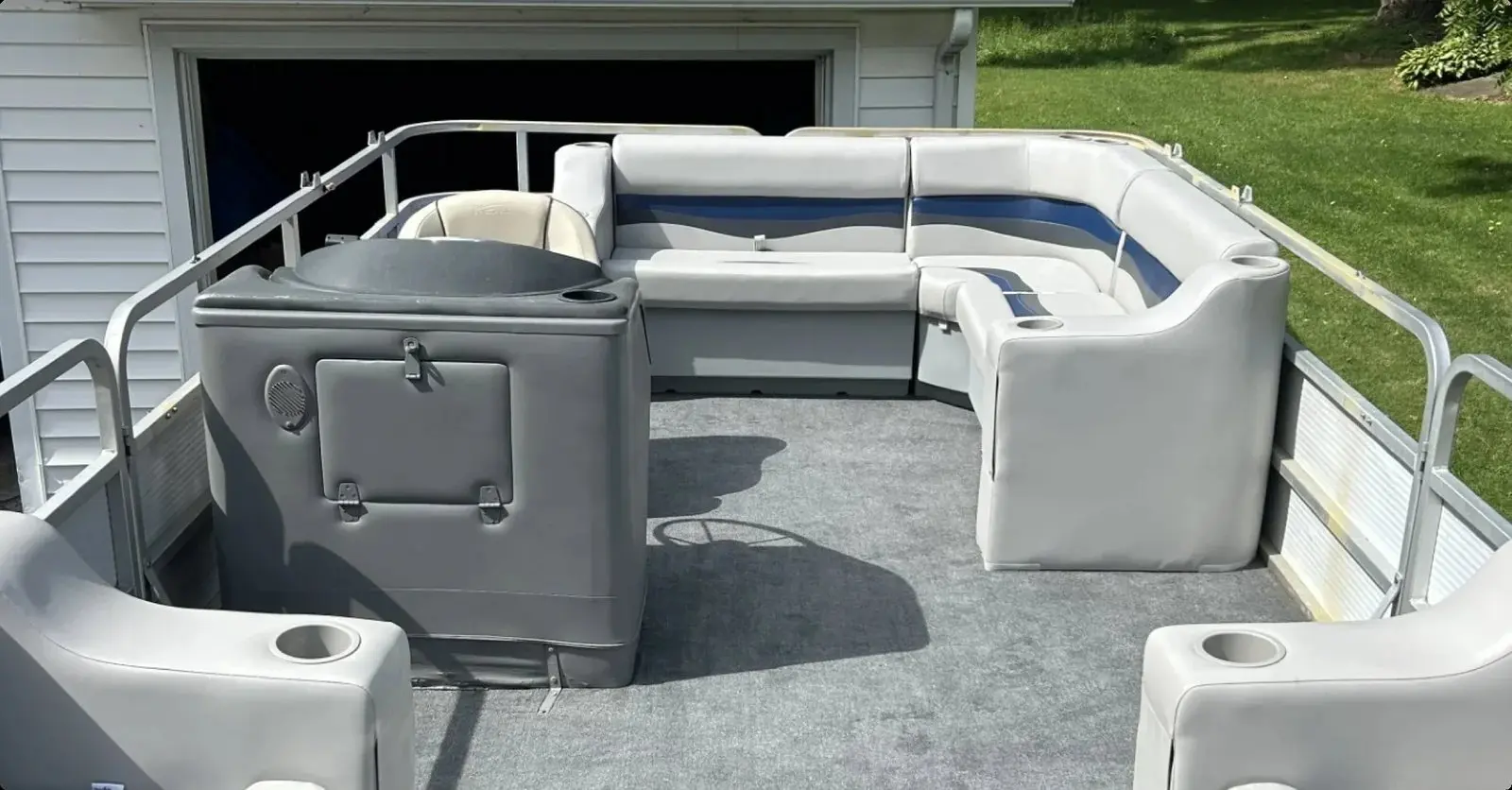 Photo: www.pontoonstuff.com on Google
- Fabric measuring tape: Pick a flexible 120-inch vinyl tailor’s tape; a rigid steel carpenter’s rule won’t bend around curved seat cushions.
- Notepad and permanent pen: Write numbers down immediately so you don’t confuse similar bench sizes.
- Masking tape: Use low-tack blue painter’s tape to mark starting and ending seams on long lounges.
- Digital camera or smartphone: Take wide photos of each seat base to send to cover makers.
- Angle finder or bevel gauge: You’ll need this only if your rear loungers have angled corner wedges.
A soft piece of string laid along the vinyl and measured against a standard yardstick works well if you lack tailor’s tape, but guessing cushion depth by eye never works. If your seats have rotten wood bases beneath the foam, don’t buy covers yet; take the frames to a marine upholstery shop first.
Step-by-step
- Clear the boat deck completely. Remove all life jackets, throw pillows, and loose gear so you have 2 to 3 feet of open space to stand directly in front of each seat bench.
- Measure the seat width across the widest point. Pull the flexible tape from the outer left edge of the seat cushion to the outer right edge, keeping the line straight across the front edge.
- Careful: If your pontoon bench has thick side bolsters, measure outer edge to outer edge across the thickest section, not the inner flat seating area.
- Measure the seat depth from front to back. Place the tape at the very front rounded roll of the bottom cushion and run it straight back to where the seat cushion meets the vertical backrest. If you have an L-shaped group, measure the return bench separately.
- Measure the backrest height. Place the zero mark at the lower seam where the seat cushion meets the vertical backrest, then pull the tape straight up over the top edge to the rear seam.
- Tip: If you’re ordering slip-on protective storage caps that drape over the back, pull the tape down the back panel to the fiberglass or plastic base.
- Measure the overall height from deck to top. Run your tape from the aluminum floor up to the highest point of the rear headrest roll to verify total clearance for universal covers.
- Record corner cushion radius if applicable. For rounded front bow seats, place two straight edges along the outer deck borders to measure the distance from where the curve starts to the imaginary square corner.
- Careful: Ordering square-cornered covers for radius corners leaves loose fabric that pools rain and stretches out your seams.
Sizing variables across deck layouts
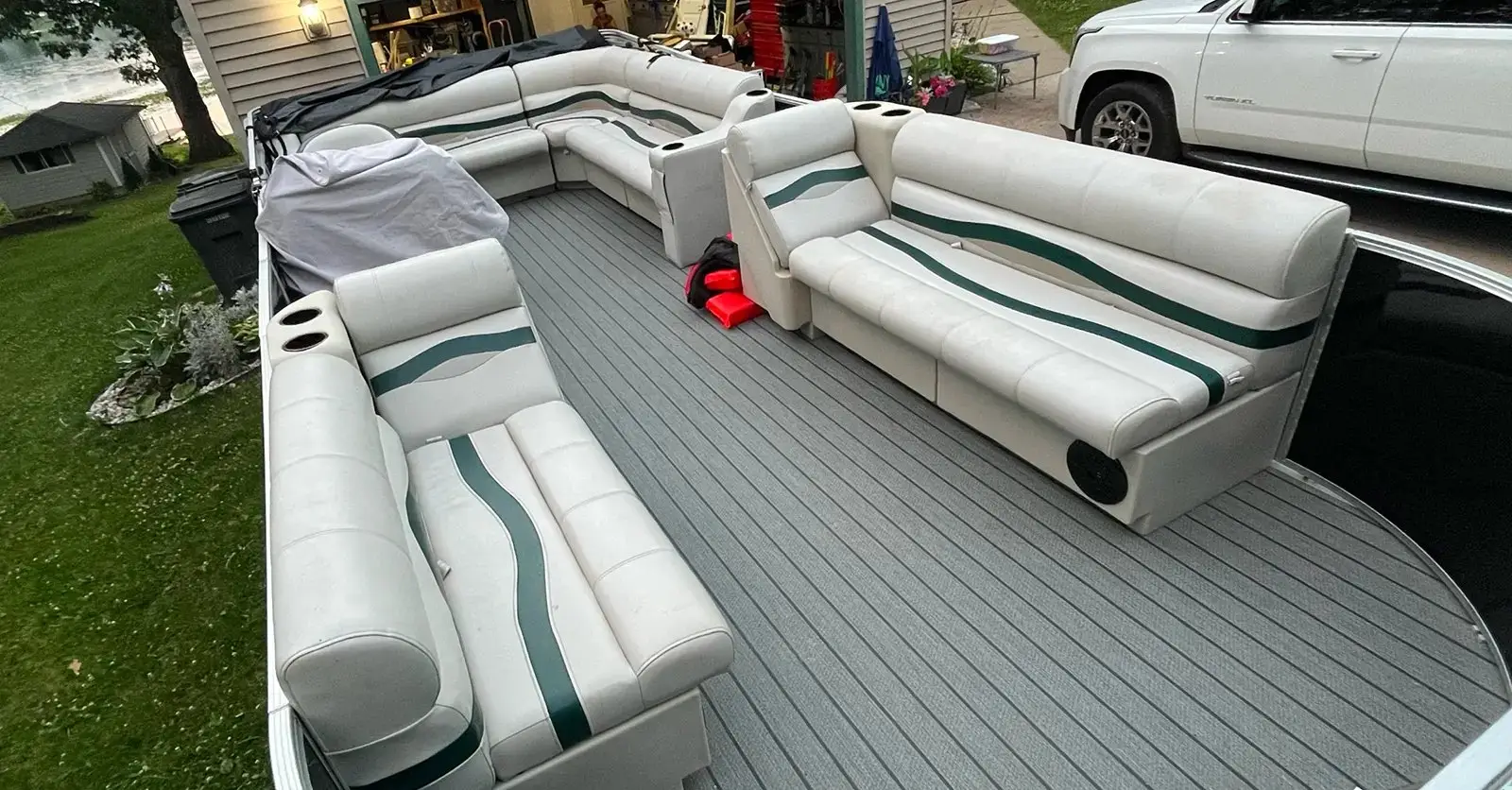 Photo: www.pontoonstuff.com on Google
Seat dimensions shift depending on your boat’s layout, brand, and seating style.
| Deck Seat Style | Extra Time or Cost | Key Difference to Track | Watch Point |
|---|---|---|---|
| Standard straight bow bench | Base measurement time | Symmetrical rectangular cushions | Seat hinges that stick out past the foam |
| Radius front corner lounge | 10 to 15 extra minutes | Curved outer corners require radius checks | Loose fabric bunching near curved corners |
| Captain’s bucket chair | Moderate cover cost | High armrests and swiveling headrests | Tight fabric tearing across fixed armrests |
| Rear sun pad lounger | Highest material cost | Large flat surface with lift hinges | Water pooling in the center flat span |
If you’re torn between two cover sizes, use this decision rule: if the seat fits within half an inch of a smaller size, choose the larger cover; if you buy the smaller size, the seams will pull apart under sun tension. It’s safer to start with slightly generous measurements and use drawstrings to pull out slack than to overshoot on the first try and receive covers you can’t stretch over the frame.
How to tell you did it right
A correct measurement produces a cover that slips smoothly over the cushion without forcing the foam to compress. The fabric lies flat across the seat surface with straight seams running right along the foam edges, leaving no excess material flapping in the wind. A poor result looks baggy, with loose pockets that collect rainwater and leaves. Sagging fabric happens because excess width turns into a basin under heavy downpours, stretching the fibers until the seams burst. This method isn’t for people rebuilding rotten foam cores; covers can’t fix sagging internal cushions. Prevent water pooling by verifying back-to-front slope, ordering covers with built-in tenting poles, and pulling bottom drawstrings tight around the plastic base.
Marine upholstery standards and maintenance
The American Boat and Yacht Council publishes technical standards for boat construction, including field-of-vision guidelines that dictate helm seat heights and placement. Once your dimensions are noted, store your measurement card inside your boat’s registration folder for future cover orders. Wipe down vinyl surfaces with a mild marine soap and dry them completely before snapping covers in place. Pontoon covers typically hold their shape for several seasons before ultraviolet rays weaken the fabric. If your pontoon’s wooden seat bases need structural woodworking or foam shaping, hire a certified marine canvas fabricator instead of doing it on your deck.
Other ways to do it
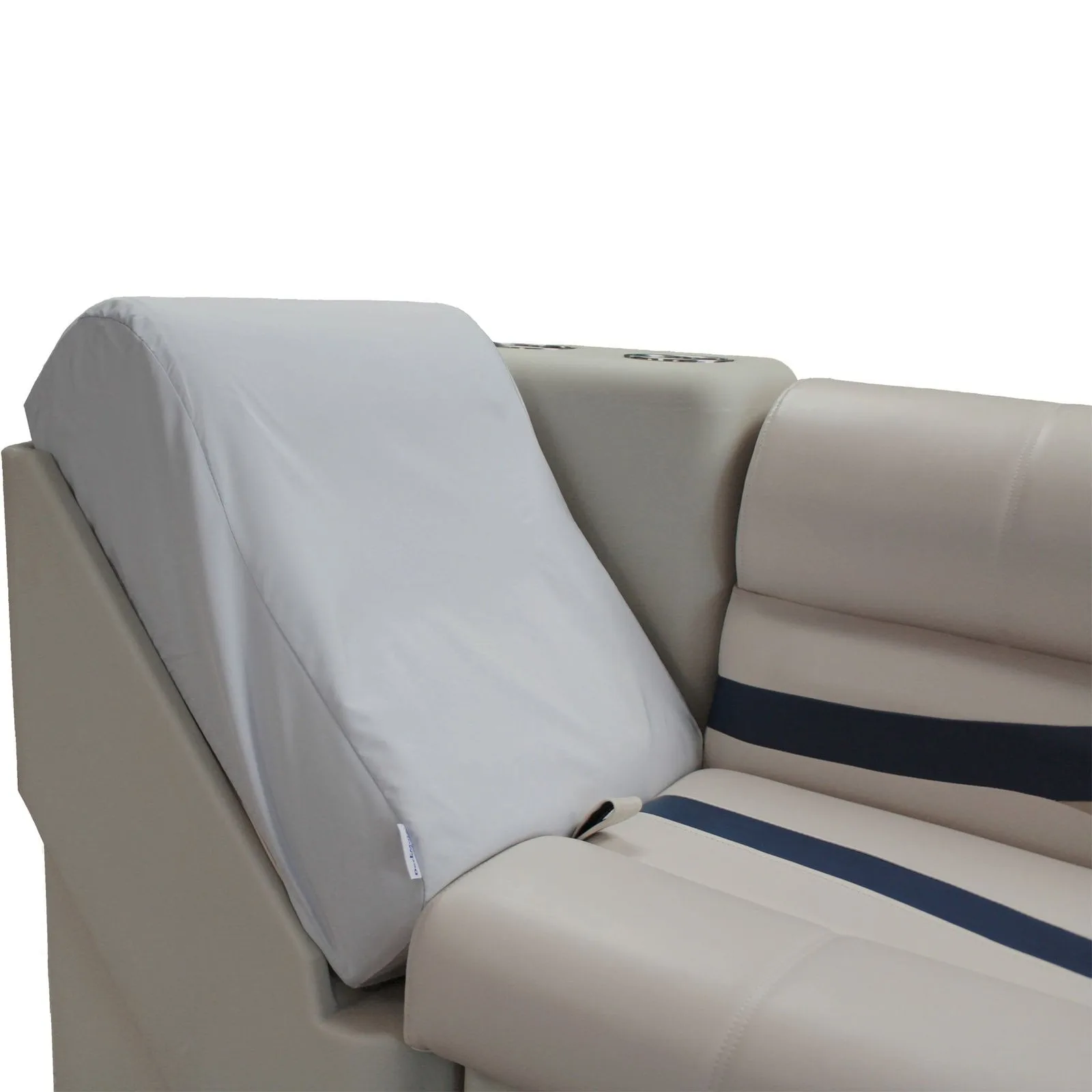 Photo: www.pontoonstuff.com on Google
Direct paper patterning
Lay heavy butcher paper across your bench seat and trace the existing seams with a wax pencil. This custom method takes about an hour per seat, but it gives an exact match for odd curved cushions.
Using manufacturer part numbers
Check under the seat base for a factory tag listing the pontoon builder’s hull identification number and furniture run. This approach takes only minutes, though it limits your choices to original factory replacements.
Professional marine canvas templating
Hire a local canvas specialist to board your boat and create custom plastic templates. This option costs significantly more money, but it completely removes measuring mistakes on custom multi-piece seating groups.
Frequently asked questions
Can you measure pontoon seats while they’re still wet?
No, wait until vinyl seats are completely dry. Wet vinyl sticks to your tape, and damp cushion foam swells slightly, which alters your true width and depth readings.
How much slack should you add to seat cover measurements?
Add 1 to 2 inches to your measured width and depth. That extra space allows the cover to slip on easily over dry vinyl without stressing the corner stitching.
Is seat height measured from the deck or the cushion?
Measure both ways. Protective slip-on dust covers need the measurement from the bottom cushion up, while full winter storage covers need the measurement starting from the aluminum deck floor.
What happens if pontoon seat covers are too loose?
Loose covers collect standing rainwater, which sags the fabric and breeds black mold. At highway towing speeds, loose covers flap violently against the vinyl, causing deep friction burns on your upholstery.
Can you measure pontoon seats without removing them from the boat?
Yes, you can measure every bench while it’s bolted to the deck. Just lift any storage cushions to check if the rear hinges stick out beyond the outer foam edge.
Why do pontoon seat covers shrink over time?
Sun exposure causes standard canvas and low-grade marine polyester fibers to tighten as heat bakes out moisture. This shrinkage creates tight stress lines along the corner seams after seasons of open-air storage.
Snap a few quick photos of your benches before you place an order. Clear pictures help the seller confirm your seat shapes, and you’ll feel confident everything will fit right the first time. Keep your notes handy in your phone, too, so you’re ready when the season starts.
Related guides
- Pontoon Seat Covers: A Smart Investment for Your Boat
- Best Pontoon Seat Covers for the Money 2026: Top Value Picks
- Best Pontoon Seat Covers for Saltwater Use 2026: Top Picks Reviewed