
Keeping your car’s interior clean is more than just a matter of pride—it’s about health, comfort, and protecting your investment. One area that often gets ignored is the rubber floor mats. These mats catch dirt, mud, spilled drinks, and everything else from your shoes. Cleaning them regularly makes your car look better, keeps odors away, and even extends the mats’ life. Many car owners know they should clean their mats, but they’re unsure how to do it efficiently or what mistakes to avoid. This guide will show you exactly how to clean car floor mats rubber, with clear steps, practical tips, and a few insider tricks that most beginners miss.
Why Clean Rubber Floor Mats Regularly?
Rubber mats are designed to protect your car’s carpet from water, mud, and debris. Over time, they can collect:
- Mud and dirt
- Food crumbs
- Pet hair
- Spilled drinks
- Grease and oil
Dirty mats can cause bad smells and even allergic reactions. If you don’t clean them, the dirt can transfer to your shoes and clothing. Regular cleaning keeps your car fresh and prevents wear. According to a survey by AAA, 60% of drivers said that a clean car interior helps them feel more comfortable and focused while driving.
What You Need To Clean Rubber Floor Mats
Before starting, gather your supplies. Having the right tools makes the job faster and more effective.
- Rubber mat cleaner or mild dish soap
- Stiff-bristled brush
- Garden hose (or bucket of water)
- Vacuum cleaner
- Microfiber towel or air drying space
- Spray bottle (optional)
- Protectant spray for rubber (optional)
Some people use harsh chemicals, but these can damage the mats and make them slippery. Stick to safe products.

Removing Mats: The First Step
Always take the mats out of the car before cleaning. Cleaning them inside can cause water and soap to get on your car’s carpet or electronics.
- Open all car doors.
- Lift each mat and shake off loose dirt outside.
- Put mats on a flat surface (driveway, patio, or grass).
If your mats are stuck due to clips or hooks, check your car manual for the correct removal method. Forcing them can break the clips.
Dry Cleaning: Vacuum And Shake
Before you get the mats wet, remove as much dry debris as possible.
- Shake each mat vigorously. You’ll see dust and sand fall out.
- Use a vacuum cleaner to suck up remaining dirt, crumbs, and hair.
A vacuum with a brush attachment works best. Don’t skip this step—wetting mats with debris still on them turns dirt into muddy paste, making cleaning harder.
Wet Cleaning: Washing The Rubber Mats
Now you’re ready for the main cleaning. There are two main ways: hose wash and bucket wash.
Using A Garden Hose
- Lay mats flat on the ground.
- Spray with a strong stream of water. Focus on corners and textured areas.
- Flip mats to spray both sides.
Using A Bucket
- Fill a bucket with warm water and mild soap.
- Dip a brush in soapy water and scrub the mat surface.
- Rinse with clean water.
Warm water helps loosen grease and stains. Don’t use hot water—it can warp some rubber mats.
Scrubbing: Removing Tough Stains And Residue
Some mats have deep grooves that trap mud and sticky substances. Here’s how to scrub them properly:
- Apply a small amount of rubber mat cleaner or dish soap.
- Use a stiff-bristled brush to scrub in circles.
- Focus on areas with stains, gum, or sticky spots.
- For oily stains, add a few drops of vinegar to your soap mix.
Avoid wire brushes—they can scratch or damage the mats. For mats with logos or colored inserts, use gentle strokes to avoid fading.
Rinsing And Drying
After scrubbing, rinse the mats well. Any leftover soap can make mats slippery and attract more dirt.
- Use a hose or clean water to rinse until all soap is gone.
- Shake mats to remove extra water.
- Lay mats flat to dry, or hang them over a railing.
- Use a microfiber towel to speed up drying.
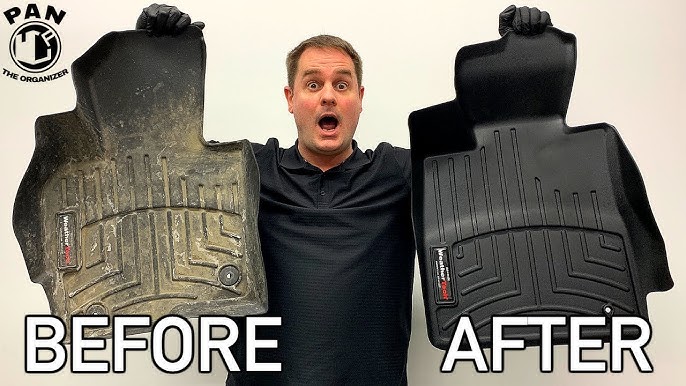
Do not put mats back in your car until they are completely dry. Wet mats can cause mold and a musty smell.
Applying Rubber Protectant (optional, But Useful)
A rubber protectant spray helps mats resist stains, UV damage, and fading. It’s not required, but recommended for cars used in extreme weather.
- Once the mats are dry, spray a thin layer of protectant.
- Wipe with a clean cloth to spread evenly.
- Let the mats sit for 10–15 minutes before reinstalling.
Don’t use silicone-based sprays—they can make mats slippery and dangerous.
Common Mistakes To Avoid
Even experienced car owners make errors when cleaning rubber mats. Here are some you should watch out for:
- Using bleach or strong chemicals that break down rubber
- Scrubbing with metal brushes
- Not drying the mats fully before putting them back
- Using protectant sprays that leave mats slippery
- Forgetting to clean the area under the mats
If you avoid these mistakes, your mats will last longer and look much better.
How Often Should You Clean Rubber Floor Mats?
It depends on how you use your car. For most drivers:
- Weekly: Quick shake and vacuum
- Monthly: Full wash and scrub
- After heavy use: Clean immediately after muddy trips, spills, or pet rides
If you live in snowy or rainy areas, clean more often. Salt and moisture can make mats look old fast.
Comparing Rubber Mats And Carpet Mats: Which Is Easier To Clean?
If you’re thinking about switching mats, here’s a quick comparison:
| Feature | Rubber Mats | Carpet Mats |
|---|---|---|
| Water Resistance | Excellent | Poor |
| Ease of Cleaning | Easy | Harder |
| Stain Removal | Simple | Complex |
| Durability | High | Medium |
| Price Range | $20–$80 | $15–$70 |
Rubber mats are easier to clean and last longer, especially in bad weather.
Step-by-step Guide: Cleaning Rubber Car Floor Mats
Let’s put everything together in one clear process:
- Remove mats from car.
- Shake and vacuum to remove dry debris.
- Spray with hose or rinse in bucket.
- Apply cleaner or soap.
- Scrub with stiff brush.
- Rinse thoroughly.
- Dry completely.
- Spray protectant (optional).
- Reinstall mats.
This process takes about 15–30 minutes, depending on mat condition.
Cleaning Frequency And Longevity Data
How often you clean mats affects their lifespan. Here’s a look at average mat longevity:
| Cleaning Frequency | Average Lifespan (Years) |
|---|---|
| Weekly | 5–7 |
| Monthly | 3–5 |
| Rarely | 1–2 |
Regular cleaning can double the life of your mats and save you money on replacements.
Non-obvious Tips That Make A Difference
- Use compressed air for stubborn debris: If your mats have deep grooves, a blast of air can push out sand and pebbles that brushes miss.
- Clean mat clips and anchors: Dirt often builds up around mat fasteners. Wipe them down so mats fit securely and don’t slide.
- Rotate mats: Swap front and rear mats every few months. It helps wear evenly and extends their life.
Most beginners focus only on the mat surface, but cleaning under and around mats prevents hidden odors and rust.
Environmental Impact: Are Rubber Mats Eco-friendly?
Many rubber mats are made from recycled materials. When cleaning, avoid harsh chemicals that can flow into drains and harm wildlife. Use biodegradable soap if possible, and air-dry mats rather than using heaters.
According to the EPA, using eco-friendly cleaners for car interiors reduces harmful runoff by up to 60%. If you’re interested in more environmental tips, check out the EPA’s Sustainable Materials Management page.
Choosing The Right Cleaner For Rubber Mats
With so many products on the market, it’s easy to get confused. Here’s a comparison of popular cleaner types:
| Cleaner Type | Pros | Cons |
|---|---|---|
| Rubber Mat Cleaner | Designed for mats, safe, and effective | More expensive |
| Dish Soap | Cheap, easy to find, gentle | May require more scrubbing |
| All-Purpose Cleaner | Works on many surfaces | Can leave residue, not always rubber-safe |
| Homemade Vinegar Mix | Natural, deodorizes | Strong smell, not for all mats |
Stick with cleaners made for rubber if your mats are expensive or have special features.
Frequently Asked Questions
How Can I Remove Tough Stains From Rubber Mats?
For tough stains like grease or coffee, use a mix of dish soap and vinegar. Scrub the area with a stiff brush, rinse, and repeat if needed. Avoid bleach—it can damage rubber and cause fading.
Can I Use A Pressure Washer To Clean Rubber Mats?
Yes, but use a low-pressure setting. High pressure can crack or warp mats, especially if they have thin areas or logos. Hold the nozzle at least 12 inches from the mat.
Is It Safe To Use Car Interior Cleaners On Rubber Mats?
Not always. Some interior cleaners contain chemicals that make mats slippery or cause them to crack. Always check the label—look for “safe for rubber” or use a dedicated rubber mat cleaner.
How Do I Keep Mats From Smelling Bad?
Clean mats regularly, dry them fully, and use a deodorizing spray if needed. Avoid leaving mats wet, as moisture promotes odor and mold. Cleaning under mats also prevents smells from spreading.
Should I Clean The Area Under The Mats?
Absolutely. Dirt and moisture often collect under mats, leading to carpet damage and bad smells. Vacuum and wipe the area before reinstalling the mats after every wash.
Keeping your car’s rubber floor mats clean is simple, but a few extra steps make a big difference. With the right tools, products, and habits, your mats will stay fresh, durable, and good-looking for years. Remember: a clean car begins from the ground up.