
Best Suspension for Trucks: Complete Buying Guide for a Smoother Ride
Driving a truck should feel comfortable, safe, and easy to control. Whether you use your truck for daily travel, carrying heavy loads, or exploring rough roads, the suspension system plays an important role in how your vehicle performs.
A good suspension helps absorb road bumps, controls bouncing, and keeps your tires connected to the road. However, not every suspension system works the same way. Some are designed for comfort, while others focus on towing, off-road performance, or heavy-duty work.
Finding the best suspension for trucks depends on your driving style, vehicle weight, and budget. Choosing the wrong system can make your truck feel too stiff or uncomfortable.
This guide explains the different suspension types, popular upgrades, important features, costs, and maintenance tips. By understanding these factors, you can choose a suspension setup that improves your driving experience.
What Is a Truck Suspension System?
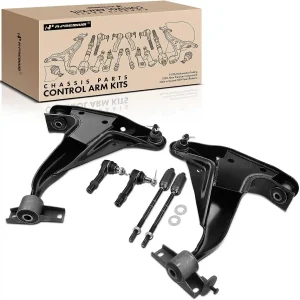
A truck suspension system connects the vehicle’s body and frame to its wheels. It includes springs, shock absorbers, control arms, bushings, and other supporting components.
These parts work together to manage movement when your truck travels over uneven surfaces.
For example, when a wheel hits a pothole, the spring absorbs some of the impact. The shock absorber then controls the spring’s movement to prevent excessive bouncing.
Suspension systems also help maintain stability while turning, braking, or carrying additional weight.
Most modern trucks use suspension designs that balance comfort, durability, and load-carrying ability.
A properly working system makes everyday driving more enjoyable and helps the vehicle respond predictably to changing road conditions.
Why a Good Suspension System Matters
Truck suspension affects more than driving comfort. It also influences handling, stability, and how well your vehicle manages different loads.
A suspension system in good condition offers several important benefits:
- Smoother driving: Reduces harsh impacts from bumps and uneven roads.
- Better handling: Helps control unwanted body movement during turns.
- Improved stability: Supports consistent tire contact with the road.
- Load management: Helps the truck handle its designed payload.
- Less bouncing: Controls repeated movement after road impacts.
- Greater comfort: Makes long journeys easier for passengers.
However, a softer suspension is not always better. Trucks need enough support to manage their weight safely.
The ideal setup provides comfortable movement without making the vehicle unstable.
Different Types of Truck Suspension Systems
Understanding the main suspension types helps you choose the right option.
Each design has different advantages depending on road conditions, vehicle weight, and driving requirements.
1. Coil Spring Suspension
Coil springs are commonly used in the front suspension of many trucks and in the rear suspension of certain models.
These metal springs compress when the wheels encounter road bumps.
Coil springs can provide a comfortable ride when paired with properly tuned shock absorbers.
They also allow suspension movement without requiring the spring itself to locate the axle.
Main advantages:
- Comfortable everyday driving.
- Reliable and straightforward construction.
- Good suspension flexibility.
- Available in different spring rates.
- Suitable for many road conditions.
However, springs that are too stiff can make a truck uncomfortable.
Always choose coil springs designed for your specific vehicle and load requirements.
2. Leaf Spring Suspension
Leaf spring suspension is widely used in pickup trucks, especially at the rear.
It uses several metal strips or a specially designed leaf spring to support vehicle weight.
This system is popular because of its strength and ability to handle heavy loads.
Leaf springs are commonly found on trucks used for towing, construction, and commercial work.
Main advantages:
- Strong load-carrying performance.
- Durable construction.
- Suitable for heavy-duty applications.
- Relatively simple maintenance.
- Proven performance in work trucks.
One disadvantage is that some leaf spring systems feel stiff when the truck is unloaded.
Maintaining the spring bushings and using suitable shock absorbers can help improve ride quality.
3. Air Suspension
Air suspension systems use air springs to support vehicle weight.
Instead of relying entirely on traditional metal springs, these systems use compressed air to adjust suspension support.
Some advanced systems automatically change air pressure based on load or road conditions.
Air suspension can be useful for trucks that regularly carry different amounts of cargo.
Main advantages:
- Adjustable support on compatible systems.
- Improved vehicle leveling.
- Comfortable performance when correctly tuned.
- Reduced sagging under appropriate loads.
- Flexible ride-height options in some systems.
However, air suspension can be expensive and requires additional components.
Compressors, air lines, valves, and sensors may need maintenance or replacement.
4. Torsion Bar Suspension
Torsion bars are another suspension design found in some trucks.
A torsion bar acts as a spring by twisting when the suspension moves.
This design can provide reliable support while saving space around certain suspension components.
Torsion bars are often used in independent front suspension systems.
Their main benefits include durability, compact installation, and adjustable preload on some vehicles.
However, adjusting torsion bars to increase ride height can reduce available suspension travel.
For comfortable driving, the entire suspension system must remain correctly aligned and properly adjusted.
Best Suspension Options for Different Truck Uses
The best suspension for trucks depends on what you expect your vehicle to do.
A daily commuter may need something completely different from a truck used for towing or rocky trails.
Daily Driving
For everyday driving, factory-compatible springs and comfort-focused shock absorbers are often excellent choices.
These components can provide a balanced ride without requiring major modifications.
Off-Road Adventures
Off-road trucks need appropriate ground clearance, suspension travel, and durable dampers.
Specialized shocks may help control repeated impacts during rough driving.
Heavy-Duty Work
Trucks carrying equipment require suspension components rated for their working loads.
Heavy-duty springs and suitable dampers may help maintain predictable handling.
Long Highway Trips
Highway drivers should prioritize controlled movement, stability, and reduced bouncing.
Quality shock absorbers and healthy suspension bushings are especially important.
Popular Truck Suspension Brands to Consider
Several established manufacturers offer suspension components for different driving needs.
However, availability and compatibility vary between truck models.
Bilstein
Bilstein manufactures replacement and performance shock absorbers.
Its B4 range focuses on original-equipment-style performance, while its B6 and truck-focused B8 product lines offer different handling and application characteristics.
Certain Bilstein products are suitable for stock-height trucks, while others support specific lifted configurations.
FOX
FOX offers performance-oriented suspension products, including shocks designed for demanding off-road conditions.
Some products feature external reservoirs and adjustable damping options.
Rancho
Rancho produces truck suspension components, including shock absorbers and lift systems.
Selected products offer adjustable damping, allowing drivers to change ride characteristics.
Old Man Emu
Old Man Emu develops suspension components for off-road and touring applications.
Its products include springs and dampers designed for specific vehicles and loading requirements.
Before choosing a brand, confirm the exact product’s compatibility and intended purpose.
How Shock Absorbers Improve Truck Suspension
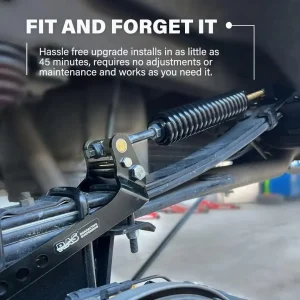
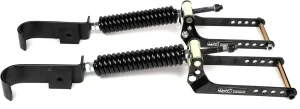
Shock absorbers control suspension movement after the springs compress or extend.
Without effective damping, a truck may continue bouncing after crossing uneven pavement.
Good shocks help control this movement and improve overall driving stability.
Two common designs are twin-tube and monotube shock absorbers.
Twin-tube shocks are widely used in everyday vehicles and can provide a comfortable ride at an accessible price.
Monotube shocks can offer consistent damping under demanding conditions, although their ride characteristics depend on the specific design.
Some premium systems include adjustable damping or external reservoirs.
These features may be useful for specialized driving, but they are not necessary for every truck.
Always select shocks that match your vehicle’s suspension height and intended use.
Suspension Lift Kits: Are They Worth Buying?
Suspension lift kits raise a truck’s ride height and may allow additional ground clearance.
They are popular among drivers who enjoy off-road adventures or want a more rugged appearance.
Lift kits can include springs, shocks, spacers, control arms, and other supporting parts.
However, lifting your truck does not automatically improve comfort.
Poorly matched components may increase vibration, body movement, or suspension harshness.
Changes in ride height can also affect steering geometry and drivetrain angles.
If you plan to install a lift kit, choose one designed for your specific truck.
Professional installation and wheel alignment are strongly recommended.
Comparing Truck Suspension Systems
Different suspension types provide different benefits.
The following comparison can help you understand their general characteristics.
| Suspension Type | Main Benefit | Common Application |
|---|---|---|
| Coil springs | Balanced ride comfort | Daily driving |
| Leaf springs | Strong load support | Work trucks |
| Air suspension | Adjustable support | Variable loads |
| Torsion bars | Compact, durable design | Selected front suspensions |
| Performance shocks | Improved movement control | Highway and off-road use |
No single suspension system is perfect for every driver.
A well-maintained factory setup may provide better everyday comfort than an expensive aftermarket system intended for extreme off-road driving.
How to Choose the Right Suspension for Your Truck
Selecting the best suspension for trucks requires checking several important factors.
First, confirm your truck’s make, model, year, drivetrain, and suspension configuration.
Next, consider how you normally use the vehicle.
A truck carrying heavy equipment needs different suspension characteristics from one used primarily for commuting.
Important factors include:
- Vehicle compatibility.
- Passenger and cargo weight.
- Road conditions.
- Desired ride comfort.
- Towing requirements.
- Installation costs.
- Maintenance requirements.
- Warranty coverage.
Check whether the suspension upgrade changes your vehicle’s original geometry or electronic controls.
Also remember that aftermarket components do not automatically increase factory payload or towing ratings.
Choosing the correct system is more important than choosing the most expensive product.
How Much Does Truck Suspension Cost?
Truck suspension upgrade costs depend on the parts selected and the amount of work required.
Replacing worn shocks is usually less expensive than installing a complete suspension system.
A basic shock replacement may cost a few hundred dollars in parts, while premium dampers can cost considerably more.
Complete lift kits and advanced air suspension installations can reach several thousand dollars.
Additional costs may include labor, alignment, mounting hardware, and supporting components.
Prices also vary by truck model and location.
Request a complete installation estimate before purchasing.
This helps you avoid unexpected expenses and ensures that important safety-related work is included.
Signs Your Truck Suspension Needs Repair
Suspension components experience wear as your truck gets older.
Driving on rough roads or regularly carrying heavy loads may increase that wear.
Common warning signs include:
- Excessive bouncing after bumps.
- Uneven tire wear.
- Unusual suspension noises.
- Increased body movement while turning.
- Visible shock absorber leaks.
- Poor ride comfort.
- Vehicle sagging or sitting unevenly.
These problems do not always mean the entire suspension requires replacement.
Tires, wheel alignment, and steering components can produce similar symptoms.
A qualified technician should inspect your truck before recommending repairs.
Finding the actual cause can save money and improve safety.
Tips to Make Your Truck Ride Smoother
You do not always need an expensive upgrade to improve driving comfort.
Start by checking tire pressure using the manufacturer’s recommended values.
Incorrect tire pressure can affect comfort and handling.
Next, inspect tires for wear and damage.
Check the shock absorbers, springs, and suspension bushings for signs of deterioration.
Remove unnecessary cargo that adds weight to your vehicle.
If the truck has been modified, confirm that the suspension components are correctly matched.
Wheel alignment can also help restore proper driving behavior when alignment problems are present.
Regular maintenance often provides meaningful improvements without major modifications.
Common Mistakes to Avoid
One common mistake is buying suspension components based only on appearance.
A tall lift or oversized shock absorber does not automatically provide better performance.
Another mistake is selecting parts intended for a different truck model.
Incorrect components may create fitting problems or reduce available suspension travel.
Some drivers also choose extremely stiff springs when they mainly want comfort.
Others ignore worn bushings and assume new shocks will solve every problem.
Avoid modifying several suspension components without checking how they work together.
Finally, do not ignore professional installation requirements.
Suspension components affect vehicle handling, so proper installation is essential.
Frequently Asked Questions
1. What Is the Best Suspension for Trucks?
The best suspension for trucks depends on vehicle weight, driving conditions, and intended use. Coil springs with suitable shocks often provide good everyday comfort. Leaf springs are useful for heavy loads, while air suspension offers adjustable support in compatible applications.
2. Do Better Shocks Make a Truck Ride Smoother?
Yes, properly selected shock absorbers can improve ride control, especially when the original shocks are worn. However, the results depend on the complete suspension setup.
3. Is Air Suspension Better Than Leaf Springs?
Air suspension offers adjustment and leveling benefits, while leaf springs provide durable load support. The better option depends on truck design and driving requirements.
4. Can a Lift Kit Improve Truck Comfort?
Some lift kits maintain or improve ride quality, but others make the suspension firmer. Proper component selection and installation are important.
5. How Often Should Truck Suspension Be Inspected?
Inspect suspension components during routine maintenance and whenever unusual noises, poor handling, or excessive bouncing appear. Inspection frequency depends on driving conditions.
6. Can Suspension Upgrades Increase Towing Capacity?
No. Suspension upgrades may improve leveling or movement control, but they do not increase the manufacturer’s official towing or payload ratings.
Final Thoughts
Choosing the best suspension for trucks can make daily driving, highway travel, and demanding work more comfortable.
Coil springs, leaf springs, air suspension, and specialized dampers each offer different advantages.
The right choice depends on how you use your truck, the loads you carry, and your budget.
Before purchasing, compare product compatibility, construction quality, maintenance needs, and installation requirements.
A balanced suspension setup should provide comfort without sacrificing stability or safety.
For more helpful automotive guides, maintenance advice, and truck upgrade ideas, visit FordFast.