
How to Dispose of a Television isn’t as simple as placing it by the curb. Many TVs contain materials like lead, mercury, and plastic that harm the environment if not handled properly. Also, laws in many states make it illegal to throw TVs in normal trash. If you want to dispose of a television safely, you need to follow some clear steps. This guide explains everything you need to know, from understanding your disposal options to avoiding common mistakes. Whether your TV is broken or just outdated, you’ll find the best way to handle it without stress.
Why Tv Disposal Needs Special Care
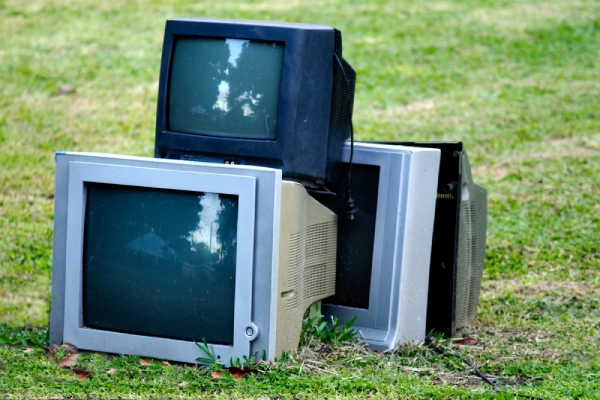
Televisions, especially older CRT models, contain hazardous materials. According to the EPA, one CRT TV can have up to 4 pounds of lead. Flat-screen TVs use heavy metals and rare earth elements. Improper disposal can pollute soil and water, harming wildlife and people. Many cities have special programs because of these risks.
Many people don’t realize that even a small crack in a TV screen can release chemicals like mercury vapor, which is dangerous if inhaled. In addition, circuit boards inside TVs contain flame retardants that do not break down easily in landfills.
When these materials seep into the environment, they can stay there for decades, causing long-term damage. That’s why safe disposal is not just a legal issue, but a community responsibility.
Best Ways To Dispose Of A Television
1. Electronics Recycling Centers
Most cities offer electronics recycling. These centers separate materials, recycle parts, and safely handle toxins.
| Type of TV | Accepted? | Fee |
|---|---|---|
| CRT (old tube) | Yes | $10-$30 |
| LCD/LED | Yes | $0-$20 |
| Plasma | Yes | $10-$25 |
Many centers list acceptable items and prices online. Search for “electronics recycling near me” or check your city website.
One tip: Larger cities may have several recycling centers, but smaller towns might only offer collection events a few times per year. If you live in a rural area, check county schedules or partner with neighbors to make a group drop-off. Some recycling events even accept other electronics, like printers and computers, so you can clear out old tech all at once.
2. Retailer Take-back Programs
Some stores help with TV disposal. For example, Best Buy accepts TVs for recycling, though fees may apply.
| Retailer | TV Size Accepted | Fee |
|---|---|---|
| Best Buy | Up to 50″ | $29.99 |
| Staples | Up to 32″ | Free |
| Local Hardware Stores | Varies | Varies |
Always call ahead. Some stores limit TV size or type.
Some retailers also offer pick-up services when you buy a new TV from them. For example, if you’re upgrading, ask if they can remove your old TV at delivery. This can save you both time and effort, especially with heavy or bulky TVs.
In some areas, stores work with certified recyclers, so you know your TV is handled correctly.
3. Curbside Pickup (special Collection)
Some cities offer curbside collection for electronics. You must schedule a pickup and follow rules, like placing TVs outside on the set date.
- Fees range from $10–$40.
- You may need to label the TV as “Electronic Waste.”
- Not available everywhere.
Check if your city requires you to place the TV in a special bag or sticker. Some programs only run during certain months, so plan ahead. If you live in an apartment, ask your property manager if they participate in or organize a building-wide e-waste day.
4. Donation
If your TV works, consider donating. Many charities, schools, or shelters accept working TVs.
- Make sure the TV is less than 10 years old.
- Call ahead to check acceptance.
- Tax deduction possible.
Some organizations, like Goodwill or Salvation Army, may even pick up the TV from your home. Schools and community centers sometimes need TVs for events or teaching aids. Always ask if there are age or size restrictions—some groups can’t use very large or old models because of space or technology limits.
5. Selling Or Giving Away
Websites like Craigslist, Facebook Marketplace, or Freecycle let you sell or give away TVs. If your TV is newer, you can earn money. If it’s older, giving it away saves disposal fees.
Be sure to write a clear description with details like screen size, inputs (HDMI, USB), and condition. Upload good photos to attract buyers. Meeting in a public place is safest for exchanges. If no one wants your TV after a week or two, consider recycling or donation instead.
:max_bytes(150000):strip_icc()/GettyImages-536222196-f8ab7039931845c4b37ac7855e923a91.jpg)
How To Prepare Your TV For Disposal
Before disposal, take these steps:
- Unplug the TV and remove all cables.
- Clean the TV to remove dust and dirt.
- If donating or selling, reset to factory settings to erase personal data.
- Check for remote controls and accessories—donate or recycle them, too.
Some people forget to remove batteries from remotes; these should be recycled separately.
If your TV is wall-mounted, take extra care when detaching it—get help to avoid dropping or damaging the screen. Wrap the TV in a blanket or bubble wrap if you’ll be transporting it, especially for donation or sale. Remember to include the power cord and any special adapters, as missing parts can lower the value or make recycling harder.
Common Mistakes To Avoid
- Throwing TVs in regular trash: Illegal in many areas.
- Leaving TVs outdoors: Rain and sun damage the TV and can cause toxic leaks.
- Ignoring fees: Most recycling centers charge.
- Not checking local rules: Every city is different.
One non-obvious mistake is forgetting to erase personal data if you’re donating or selling a smart TV. Always reset to protect your privacy.
Another mistake is not checking with your city or building before leaving a TV for pickup. Unscheduled TVs can be tagged as illegal dumping, leading to fines. People sometimes forget about attached wall mounts or stands, which need to be removed before recycling.
Always double-check the TV’s condition—leaking fluids or broken glass can be dangerous and may require special handling.

Environmental Impact And Legal Rules
The US generates over 3 million tons of electronic waste yearly, and TVs are a major part. Some states, like California and New York, have strict rules. Fines can be $100–$500 for improper disposal. Always check your local government website for laws.
If you want to learn more about e-waste rules and recycling programs, visit the EPA Electronics Recycling page.
Also, some manufacturers have “producer responsibility” laws—meaning they must offer recycling options. Check your TV brand’s website for mail-back programs. Following the law avoids fines and ensures hazardous waste doesn’t end up in landfills, protecting your family and neighbors from exposure.
Practical Tips For Safe TV Disposal
- Ask neighbors or friends if they need a TV before recycling.
- If your city has no recycling program, use a national mail-in service. These companies send you a box, and you mail your TV for safe recycling.
- For large TVs, use a dolly or ask for help. TVs are heavy and awkward to lift.
- Take photos of your TV before selling or donating. This helps you describe it accurately.
- If your TV screen is cracked or leaking, handle it with gloves and avoid touching broken glass.
If you’re unsure about the safest option, call your local recycling center or city hall for advice. Many will guide you step-by-step. For hard-to-carry TVs, some junk removal services offer electronics recycling, but check that they use certified recyclers. Finally, never try to open the TV yourself—internal parts can hold electricity long after unplugging, which is risky.
Frequently Asked Questions
What Happens To My Tv After Recycling?
Most TVs are broken down into parts. Metals are recovered, plastics are reused, and dangerous materials are treated safely.
Some recycling centers also export certain parts to specialized facilities for further processing. This reduces landfill waste and supports the creation of new electronics.
Can I Put My Old TV in the Regular Trash?
No. It’s illegal in many states and cities because TVs contain hazardous materials.
Even if trash collectors take it, it may end up in a landfill, polluting the environment. Always use proper disposal methods.
Are There Free Ways To Dispose Of A TV?
Yes, some charities or stores accept TVs for free. Also, some cities offer free e-waste collection days.
Check local event calendars—Earth Day and spring clean-up events often include free electronics recycling.
What If My Tv Is Very Old Or Broken?
Recycle it at a certified center. Some centers charge more for CRT TVs because they are harder to process.
If you’re unsure, ask the center staff for guidance on how to transport or drop off heavy, older models safely.
Can I Donate a TV if it’s Not Working?
No. Most charities only accept working TVs. Broken TVs should be recycled.
If your TV is only missing a small part, like a remote, ask if the charity can accept it with a note.
Disposing of a television takes some planning, but it’s worth the effort. By choosing the right method, you protect the environment, follow the law, and maybe help someone in need. Always check your local options and remember—safe TV disposal keeps your community and planet healthy.