
Every car owner eventually faces a simple question: What are the Best Options for Car Seat Covers comfortable, stylish? Whether you drive daily, transport kids or pets, or just want to upgrade your vehicle’s look, car seat covers can make a big difference. The right covers protect seats from stains, wear, heat, and fading. They also add personality to your car’s interior. But with so many types, materials, and brands, choosing the best option can feel overwhelming.
This guide will help you understand the choices, compare popular materials, and select seat covers that fit your needs and budget. You’ll also learn about installation, maintenance, and common mistakes people make. By the end, you’ll know exactly what matters and how to avoid wasting money on covers that don’t last or don’t fit your lifestyle.
Understanding Why Car Seat Covers Matter
A car’s interior faces daily challenges: spills, dirt, UV rays, and friction from getting in and out. Over time, these cause fading, tearing, and stains. Seat covers act as a shield, keeping your seats in good shape and making cleaning easier. Many drivers think covers are just for looks, but they’re actually a smart investment.
Consider these real numbers:
- The average American spends about 55 minutes driving daily (according to AAA).
- Replacing factory upholstery costs $800–$2,500 per seat.
- Cleaning and detailing seats professionally costs $75–$200 per session.
Seat covers can prevent these expenses, especially if you regularly transport kids, pets, or work equipment. They also help keep your car’s resale value higher. In some climates, covers can protect against heat damage or cold cracking.
Types Of Car Seat Covers: Which Fits Your Needs?
There are three main types of car seat covers. Each offers unique benefits and challenges. Knowing the differences helps you avoid buying the wrong kind.
1. Universal Fit Seat Covers
Universal covers are designed to fit a wide range of vehicles. They’re usually affordable and easy to find. Brands like FH Group, OxGord, and BDK make universal covers in many colors and patterns.
Pros:
- Lower cost
- Quick to install
- Many styles available
Cons:
- Fit can be loose or wrinkled
- May block seat functions (like airbags or controls)
- Limited protection for unique seat shapes
Universal covers are best if you want a fast, budget-friendly upgrade and don’t mind a less tailored look.
2. Semi-custom Seat Covers
Semi-custom covers are made for specific car models or seat shapes, but not exact dimensions. They strike a balance between cost and fit. For example, a cover might be designed for “Toyota Camry front seats 2012–2018,” but not for the exact trim.
Pros:
- Better fit than universal
- More likely to match seat functions
- Moderate price
Cons:
- Still not perfect fit
- May require adjustment
Semi-custom covers are good if you want a neater look without paying for full custom covers.
3. Custom Fit Seat Covers
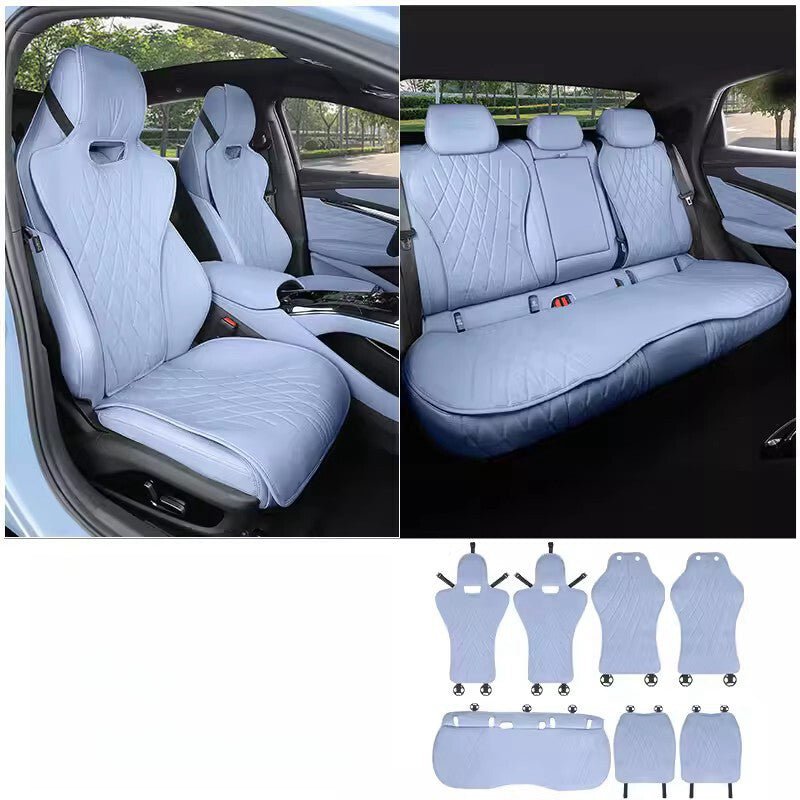
Custom covers are made for your car’s exact seat shape, including headrests, armrests, and seat controls. Brands like Covercraft, Wet Okole, and Katzkin offer custom options.
Pros:
- Perfect fit
- Allows for seat functions (airbags, controls)
- Highest protection and style
Cons:
- Expensive (often $200–$700 per set)
- Longer wait for manufacturing
Custom covers are ideal if you care about looks, comfort, and seat protection. They’re also best for newer or luxury cars.
Comparing Popular Materials: Comfort, Durability, And Maintenance
The material is the most important factor in seat covers. It affects comfort, cleaning, durability, and price. Here’s how the main materials stack up.
Leather
Leather seat covers look premium and feel soft. They’re often used in luxury cars, but aftermarket leather covers are available for most vehicles.
Benefits:
- Elegant appearance
- Easy to wipe clean
- Resists spills and stains
Drawbacks:
- Expensive
- Can get hot in summer, cold in winter
- Not always genuine leather (many are synthetic)
Leather is best if you want luxury and are willing to pay extra.
Neoprene
Neoprene is the material used for wetsuits. It’s flexible, water-resistant, and comfortable.
Benefits:
- Excellent water protection
- Good cushioning
- Durable
Drawbacks:
- Slightly higher price
- Not as stylish as leather
Neoprene is great for people with kids, pets, or who live in wet climates.
Fabric
Fabric covers are usually made from polyester, cotton, or blends. They’re comfortable and affordable.
Benefits:
- Wide range of colors
- Soft feel
- Breathable
Drawbacks:
- Stains easily
- Can fade over time
- Needs regular cleaning
Fabric is best for budget buyers or those wanting a cozy seat.
Vinyl
Vinyl covers are cheap and easy to wipe clean.
Benefits:
- Low cost
- Good for work vehicles
- Water-resistant
Drawbacks:
- Not breathable
- Can crack in cold
- Less comfortable
Vinyl works for drivers who need durability over comfort.
Faux Leather
Faux leather (also called PU leather) mimics real leather but costs less.
Benefits:
- Looks similar to leather
- Easier maintenance
- Affordable
Drawbacks:
- May peel or crack over time
- Not as soft as real leather
Faux leather is popular for style on a budget.
Sheepskin
Sheepskin covers are soft and warm.
Benefits:
- Luxurious comfort
- Good for cold climates
- Breathable
Drawbacks:
- Expensive
- Hard to clean
- Not water-resistant
Sheepskin is perfect for drivers in cold regions who want maximum comfort.
Canvas
Canvas covers are rugged and tough.
Benefits:
- Heavy-duty protection
- Resists abrasion
- Good for trucks and work vehicles
Drawbacks:
- Rough texture
- Limited styles
Canvas is best for work vehicles or outdoor enthusiasts.
Material Comparison Table
Here’s a clear comparison of the main materials:
| Material | Durability | Comfort | Maintenance | Cost | Water Resistance |
|---|---|---|---|---|---|
| Leather | High | Medium-High | Easy | High | Medium |
| Neoprene | High | High | Easy | Medium-High | High |
| Fabric | Medium | High | Moderate | Low-Medium | Low |
| Vinyl | Medium | Low | Easy | Low | High |
| Faux Leather | Medium | Medium | Easy | Medium | Medium |
| Sheepskin | Medium | High | Hard | High | Low |
| Canvas | High | Low | Easy | Medium | Medium |
Key Features To Look For In Car Seat Covers
Not all seat covers are equal. Some offer extra features that make them more useful or comfortable. When shopping, look for these important features:
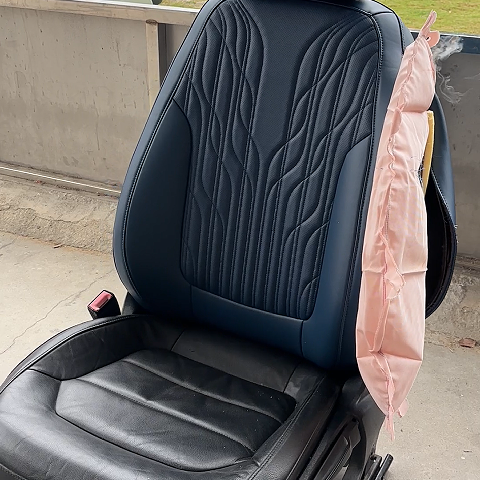
1. Airbag Compatibility
Many modern cars have airbags built into seats. The best seat covers have special seams or designs that allow airbags to deploy safely.
2. Easy Installation
Choose covers with clear instructions and simple fastening systems (like elastic straps, hooks, or Velcro). Avoid covers that need professional help unless you’re buying custom models.
3. Non-slip Backing
Covers with a rubber or textured backing stay in place, avoiding bunching and sliding.
4. Machine Washable
If you want easy cleaning, check if the covers are machine washable. Some materials, like sheepskin or leather, require special care.
5. Uv Protection
Covers with UV-resistant coatings prevent fading from sunlight.
6. Water Resistance
Especially important for families, pet owners, or anyone living in rainy areas.
7. Custom Fit Options
If you want a tailored look, check if the brand offers custom sizing.
8. Pockets And Storage
Some covers have built-in pockets for storing small items like phones, snacks, or documents.
9. Warranty
A good warranty means the brand stands behind its quality. Look for at least a 1-year guarantee.
Feature Comparison Table
Here’s a table comparing features found in popular seat cover brands:
| Brand | Airbag Compatible | Easy Install | Non-Slip | Machine Washable | Warranty |
|---|---|---|---|---|---|
| Covercraft | Yes | Yes | Yes | No | 2 Years |
| Wet Okole | Yes | Yes | Yes | Yes | 1 Year |
| FH Group | Varies | Yes | Yes | Yes | 1 Year |
| Katzkin | Yes | No (professional install) | Yes | No | 3 Years |
| OxGord | Varies | Yes | No | Yes | 6 Months |
Top Brands And Best-selling Options
Many brands offer quality seat covers. Some are trusted for their durability, while others are known for style or price. Here’s a look at brands that stand out and their most popular models.
Covercraft
Covercraft is famous for custom-fit covers. Their Carhartt series uses heavy-duty canvas, perfect for work trucks. Covercraft also makes suede, leather, and neoprene covers.
Best for: Custom fit, durability, work vehicles
Wet Okole
Wet Okole covers are made from neoprene and are water-resistant. They’re popular among surfers, outdoor lovers, and families.
Best for: Water resistance, comfort, custom designs
Katzkin
Katzkin is a leader in custom leather interiors. Their covers are factory-quality and often installed professionally.
Best for: Luxury, new car upgrades, perfect fit
Fh Group
FH Group offers affordable universal and semi-custom covers in bright colors and patterns. They have options for cars, SUVs, and trucks.
Best for: Budget buyers, style variety
Oxgord
OxGord makes universal covers at low prices. They’re easy to install and good for quick protection.
Best for: Temporary use, budget, quick fix
Shearcomfort
ShearComfort specializes in sheepskin and premium fabric covers. Their custom-fit designs are popular for comfort.
Best for: Cold climates, comfort lovers
Practical Example: Real-world Reviews
A 2023 survey from Consumer Reports found that neoprene covers from Wet Okole had the highest satisfaction for durability and stain resistance. Covercraft’s Carhartt series scored highest for heavy-duty use, while Katzkin leather covers were rated most stylish.
How To Choose The Right Car Seat Covers For Your Vehicle
Choosing the best seat covers depends on your car, your lifestyle, and your budget. Here’s a step-by-step approach:
1. Identify Your Main Needs
Are you protecting against spills? Upgrading style? Needing extra comfort? List your priorities.
2. Check Your Car’s Seat Type
Does your car have side airbags, removable headrests, or built-in controls? Make sure covers won’t block important functions.
3. Set Your Budget
Seat covers range from $25 for universal sets to $700+ for custom leather. Decide what you’re willing to spend.
4. Measure Your Seats
If buying semi-custom or custom covers, measure seat width, depth, and headrest height. Double-check model compatibility.
5. Choose Material And Style
Pick material based on your climate, comfort needs, and cleaning habits.
6. Read Reviews And Ratings
Look for reviews from drivers with similar cars or needs. Pay attention to complaints about fit, durability, or installation.
7. Check Warranty And Return Policy
A good warranty protects your investment. Return policies help if the covers don’t fit or meet expectations.
Non-Obvious Insight: Many buyers overlook seat controls and airbags. Always confirm the covers are compatible with your car’s safety features. Another mistake is ignoring cleaning instructions; some covers require special care that adds hidden costs.
Installation Tips: Getting The Best Fit
Installing seat covers can be easy or tricky, depending on the type. Here are practical tips:
- Read Instructions First
Each cover type has specific steps. Universal covers are usually simple; custom covers may need more patience.
- Remove Headrests and Armrests
Most covers fit better if you remove accessories first, then reattach them.
- Smooth Out Wrinkles
Use your hands to pull the cover tight and tuck extra fabric into seat crevices.
- Secure Fasteners
Elastic straps, hooks, or Velcro should be tight but not stretched to breaking.
- Double-Check Airbag Openings
If your car has seat airbags, make sure the cover’s seams are aligned.
- Ask for Help
Two people make installation easier, especially for back seats.
Experience-Based Tip: Take photos of your seat before starting. If you get confused, you can reference the original setup.
Maintenance: Keeping Your Seat Covers Fresh
Seat covers help keep your car clean, but they need care, too. Maintenance depends on the material.
- Fabric and Neoprene: Most can be machine-washed. Remove covers and follow the instructions. Avoid hot water, which can shrink or damage covers.
- Leather and Faux Leather: Wipe with a damp cloth and use leather conditioner every few months.
- Vinyl: Just wipe clean. Avoid harsh chemicals.
- Sheepskin: Brush regularly and spot-clean. Some covers require dry cleaning.
Non-Obvious Insight: Many owners forget about odor buildup. Periodically air out covers and use fabric-safe deodorizer. For pet owners, lint rollers work well for daily cleaning.
Common Mistakes When Choosing Car Seat Covers
Many drivers waste money by making these mistakes:
1. Buying Cheap Universal Covers For Complex Seats
Loose covers bunch up, block seat controls, or look messy.
2. Ignoring Airbag Compatibility
Covers that block airbags are unsafe and can void insurance.
3. Choosing The Wrong Material For Climate
Leather gets hot in summer; sheepskin is uncomfortable in warm weather.
4. Skipping Measurements
Assuming “one size fits all” leads to a poor fit, especially for trucks and SUVs.
5. Not Checking Cleaning Instructions
Some covers are hard to clean, leading to frustration.
6. Forgetting About Color And Interior Match
Clashing colors make your car look odd and may lower its resale value.
7. Overlooking Warranty And Returns
Cheap covers sometimes have no warranty, leaving you stuck if they tear.
Car Seat Covers For Special Needs
Some drivers have unique needs. Here’s how to handle them:
Families And Kids
Choose water-resistant, machine-washable covers. Neoprene and heavy-duty fabric work best. Look for covers with extra padding.
Pet Owners
Go for covers with anti-scratch material and waterproof backing. Some brands offer hammock-style covers for the back seat, protecting seats and doors.
Outdoor Enthusiasts
Canvas or neoprene covers handle mud, water, and abrasion. Pick covers with pockets for gear.
Work Vehicles
Heavy-duty canvas or vinyl covers are best. They resist tears and stains from tools and equipment.
Environmental Impact: Are There Eco-friendly Seat Covers?
Car seat covers can help reduce waste by protecting seats, but many are made from plastics or synthetic materials. Eco-friendly options are growing:
- Organic Cotton: Some brands use organic cotton for soft, breathable covers.
- Recycled Materials: Covers made from recycled polyester or plastics are now available.
- Natural Fibers: Sheepskin and wool are renewable but require careful sourcing.
When shopping, look for brands highlighting sustainability. Recycled material covers may cost more, but they lower the environmental impact.
Car Seat Covers For Different Vehicle Types
Different vehicles have different seat shapes and uses. Here’s what matters:
- Sedans: Most covers fit easily. Style and comfort are priorities.
- SUVs: Larger seats may need semi-custom or custom covers.
- Trucks: Heavy-duty canvas or vinyl works best, especially for work use.
- Sports Cars: A custom fit is important for bucket seats and unique shapes.
- Vans: Covers with pockets and storage help families stay organized.
Practical Advisor Note: Always check the number of seats and seat shape before buying. Some covers don’t fit bench seats or split-folding seats.
Car Seat Cover Trends: What’s Popular In 2024?
Seat covers have evolved. In 2024, neoprene and custom-fit covers are trending. More brands offer covers with smartphone pockets and wireless charging pads built in. Eco-friendly covers are growing in popularity.
Digital prints and bright colors are also popular, especially among younger drivers. Some covers now include cooling or heating features.
According to a 2023 market report, the global car seat cover market is expected to reach $7.2 billion by 2027, with custom and eco-friendly covers leading growth.
Real-world Data: Satisfaction And Longevity
A study from JD Power found that drivers who buy custom-fit covers report 30% higher satisfaction than those who buy universal covers. Neoprene covers last 4–6 years with regular use, while fabric covers last 2–3 years. Leather covers can last over 7 years with proper care.
Non-Obvious Insight: Many drivers think machine-washable covers last longer, but in reality, repeated washing can cause fading and wear. Rotating covers (using two sets) helps extend life.
Where To Buy Quality Car Seat Covers
You can buy seat covers at local auto stores, car dealerships, or online. Amazon, Walmart, and AutoZone carry popular brands. For custom covers, order directly from brands like Covercraft, Wet Okole, or Katzkin.
Online stores offer more choices and reviews, but local stores let you see and feel materials. Always check for shipping costs and return policies.
For official data, check sites like Wikipedia.
Frequently Asked Questions
What Is The Most Durable Material For Car Seat Covers?
Canvas and neoprene are the most durable. Canvas resists tearing and abrasion, making it ideal for work vehicles. Neoprene is flexible and water-resistant, lasting 4–6 years with regular use.
Are Custom-fit Covers Worth The Price?
Yes, if you want a perfect fit, maximum protection, and no interference with seat functions. Custom covers look better, last longer, and increase satisfaction. They cost more but protect your investment.
How Do I Clean Car Seat Covers?
Cleaning depends on the material. Fabric and neoprene covers are often machine washable. Leather and faux leather covers should be wiped clean and conditioned. Always follow the manufacturer’s instructions.
Will Seat Covers Affect My Car’s Airbags?
If you buy covers designed for airbag compatibility, they will not block airbag deployment. Always check for special seams or openings. Avoid cheap covers that ignore safety features.
Can I Install Seat Covers Myself?
Most universal and semi-custom covers are easy to install with basic tools. Custom covers may need professional help, especially leather types. Always read instructions and watch tutorial videos if needed.

Final Thoughts
Choosing the best car seat covers isn’t just about style—it’s about protecting your investment, improving comfort, and fitting your lifestyle. Whether you want luxury leather, rugged canvas, or cozy fabric, the right covers make driving more enjoyable and your car easier to maintain.
Take time to measure your seats, check compatibility, and consider your needs. Avoid common mistakes, read reviews, and choose materials that match your climate and habits. With the right covers, your car’s interior stays fresh and comfortable for years to come.
One Response