
What Are The Best Brands For Picture Quality Television? With so many brands offering different features, prices, and technologies, it’s easy to feel lost. Some people want the brightest picture, others want smart features, and many care about price.
But when you ask, “Which brand is best for television? “—there’s no single answer for everyone. Instead, the best brand depends on what matters most to you.
In this article, you’ll discover how leading TV brands compare, what makes each one stand out, and what real users say after months of use. You’ll also find clear guidance for different budgets and needs—like gaming, movies, or everyday TV.
By the end, you’ll understand which TV brands truly deserve their reputation and which ones might surprise you.
What Makes a TV Brand The Best?
Choosing the best TV brand isn’t just about popularity. It’s about long-term value, reliability, and how well the TV matches your lifestyle. Here are the main factors people should consider:
- Picture quality: Brightness, color, black levels, and sharpness matter a lot.
- Smart features: Streaming apps, voice control, and updates can make daily use easier.
- Sound quality: Built-in speakers vary much more than people realize.
- Build quality: Some TVs last for years, while others may fail early.
- Customer support: Fast help and good warranties save headaches.
- Price and value: Not all expensive brands are worth the cost.
- Special features: Gaming, design, or unique software can be important.
These points are not always obvious from store displays. For example, a TV can look great in a bright shop but struggle in a dark room at home. Or, some brands offer fast smart TV systems while others are slow and buggy.
The Top Television Brands Compared
Here’s a close look at the most respected TV brands today. Each brand brings something special, from premium OLED panels to smart TV software.
1. Samsung
Samsung is often called the king of LED and QLED TVs. Their displays are bright, colorful, and excellent for sunny rooms. Samsung’s QLED technology pushes LED-LCD to its limits, offering better color and less glare than most competitors.
Strengths:
- QLED panels: These offer strong brightness and long life.
- Tizen smart platform: Fast, smooth, with lots of apps and updates.
- Wide range: From budget to premium, Samsung covers every price point.
Weaknesses:
- Black levels: Not as deep as OLED, but better than most LEDs.
- Sound: Built-in audio is average unless you buy a premium model.
Notable models: Samsung QN90C, QN95B, The Frame (for design lovers).
Non-obvious insight: Samsung’s higher-end QLEDs use “mini-LED” tech for better contrast, but only their top models include it. Many buyers miss this detail and overpay for lower models.
2. Lg
If you want the best OLED TVs, LG is the clear leader. Their self-lit panels give perfect blacks, rich colors, and thin designs. LG’s webOS platform is user-friendly and gets regular updates.
Strengths:
- OLED technology: Perfect blacks, top-tier movie experience.
- WebOS smart system: Simple, customizable, and fast.
- Great for gaming: Fast response, HDMI 2.1 ports, and VRR support.
Weaknesses:
- Brightness: OLED is not as bright as QLED in sunny rooms.
- Price: OLED models cost more, especially in larger sizes.
Notable models: LG C3, G3, and the budget-friendly A2 series.
Non-obvious insight: LG supplies OLED panels to many other brands, but they save the best panels for their own premium models.
3. Sony
Sony is famous for natural, lifelike picture quality. Their TVs use advanced processing to make movies and sports look smooth and sharp. Sony also makes both OLED and LED-LCD TVs.
Strengths:
- Picture processing: Sony’s Cognitive Processor XR produces top-tier images.
- Sound-from-screen: Some models use the entire screen as a speaker.
- Google TV: Offers easy access to streaming and voice search.
Weaknesses:
- Higher prices: Sony often charges more than Samsung or LG for similar specs.
- Software updates: Can be slower compared to other brands.
Notable models: Sony A95K (QD-OLED), X90L, and A80L.
Non-obvious insight: Sony’s mid-range LED TVs often outperform cheaper competitors in motion and color accuracy, even if the specs look similar on paper.
4. Tcl
TCL has become a favorite for people who want value for money. Their TVs often cost less but still deliver strong performance. TCL’s partnership with Roku and Google TV means their smart systems are fast and reliable.
Strengths:
- Affordable pricing: Great value for features.
- Mini-LED tech: In higher-end models, matches premium brands.
- Easy-to-use software: Roku and Google TV are both simple.
Weaknesses:
- Build quality: Entry-level models use cheaper materials.
- Color accuracy: Not as accurate as Sony or LG in some cases.
Notable models: TCL 6-Series (R655), QM8, and the 5-Series.
Non-obvious insight: TCL’s high-end models can match some Samsung and Sony TVs in performance, but most buyers only see the entry-level models in stores.
5. Hisense
Hisense is a rising brand, known for affordable TVs with surprisingly strong specs. In recent years, their ULED and Mini-LED models have won praise for picture quality.
Strengths:
- Aggressive pricing: Premium features at budget prices.
- Mini-LED and ULED: Good brightness, solid contrast.
- Game-friendly: Fast refresh rates in many models.
Weaknesses:
- Software bugs: Some smart TV systems are less polished.
- Inconsistent quality: Lower-end models vary more in performance.
Notable models: Hisense U8K, U7K, and U6K.
Non-obvious insight: Hisense often updates hardware faster than software. Buyers sometimes get cutting-edge displays but must wait for stable app updates.
6. Panasonic
While not as common in North America, Panasonic TVs are popular in Europe and Asia. They focus on high-end OLED and LED models, known for color accuracy and cinematic performance.
Strengths:
- Professional color tuning: Favored by filmmakers.
- High build quality: Robust materials and design.
- Balanced sound: Above-average audio in many models.
Weaknesses:
- Limited availability: Hard to find outside of certain regions.
- Price: Premium models cost more.
Notable models: Panasonic LZ2000, JZ1500.
Non-obvious insight: Panasonic OLEDs are often used in Hollywood studios for mastering movies, a detail few consumers know.
7. Vizio
Vizio is known for affordable TVs with good value, especially in the US. Their higher-end Quantum and P-Series offer strong brightness and contrast.
Strengths:
- Competitive pricing: Lots of features for the cost.
- Quantum color: Rich colors, especially in premium lines.
- SmartCast platform: Easy to cast from mobile devices.
Weaknesses:
- Software: Can be slow or buggy, especially on older models.
- Customer support: Mixed reviews from users.
Notable models: Vizio P-Series Quantum X, M-Series, V-Series.
Non-obvious insight: Vizio’s SmartCast software gets better with updates, but new releases often ship with bugs that take months to fix.
8. Philips
Philips TVs are well-known in Europe and offer unique features like Ambilight, which projects colored light behind the TV to match the screen.
Strengths:
- Ambilight technology: Creates an immersive viewing experience.
- Android TV: Access to many apps and Google Assistant.
- OLED models: High picture quality at competitive prices.
Weaknesses:
- Availability: Harder to find in the US.
- Software updates: Sometimes slow to arrive.
Notable models: Philips OLED807, The One (Performance Series).
Non-obvious insight: Ambilight reduces eye strain, a benefit not often mentioned in ads.
9. Sharp
Sharp was once a global TV leader and is making a comeback, especially in Japan and parts of Asia. Their latest models focus on high contrast and color accuracy.
Strengths:
- Affordable options: Good entry-level models.
- AQUOS technology: Strong colors and sharp images.
- Easy-to-use menus: Simple for non-technical users.
Weaknesses:
- Limited high-end models: Few options for OLED or Mini-LED.
- Brand confusion: Different companies make Sharp TVs in different countries.
Notable models: Sharp AQUOS XLED, EQ series.
Non-obvious insight: Some Sharp TVs in North America are made by licensees, not Sharp itself—so quality can vary.
10. Toshiba
Toshiba produces affordable TVs, often with Fire TV or Google TV built-in. Their focus is value, not cutting-edge tech.
Strengths:
- Low prices: Some of the most affordable smart TVs.
- Simple smart platforms: Fire TV is easy to use.
- Decent picture quality: Good enough for casual viewing.
Weaknesses:
- Lower brightness: Not suitable for sunny rooms.
- Limited features: Few premium options.
Notable models: Toshiba C350, M550.
Non-obvious insight: Toshiba TVs are now made by Hisense under license in many markets, which affects design and quality.
Tv Brand Comparison: Picture Quality, Features, And Value
To help you see how these brands compare, here is a simple side-by-side look at key features:
| Brand | Best For | Picture Quality | Smart Platform | Typical Price Range |
|---|---|---|---|---|
| Samsung | QLED, Bright Rooms | Excellent (QLED) | Tizen | $$ – $$$$ |
| LG | OLED, Gaming | Outstanding (OLED) | webOS | $$$ – $$$$ |
| Sony | Color Accuracy, Movies | Excellent (OLED/LED) | Google TV | $$$ – $$$$ |
| TCL | Value, Streaming | Very Good (Mini-LED) | Roku/Google TV | $ – $$$ |
| Hisense | Affordable Performance | Very Good (ULED) | Google TV | $ – $$$ |
Choosing The Right Tv Brand For Your Needs
Every TV buyer is unique. Here’s how different brands fit different needs:
Movie Lovers
If you want the best home cinema, LG OLED and Sony OLED models are hard to beat. Their deep blacks and color accuracy make movies look stunning, especially in dark rooms. Panasonic OLEDs are also a top choice if you live in Europe or Asia.
Gamers
Gamers need fast response, low lag, and support for the latest consoles. LG (C3, G3) and Samsung (QN90C) offer HDMI 2.1, 120Hz refresh rates, and VRR. Hisense and TCL high-end models are also good for gaming at a lower price.
Sports Fans
For fast-moving action, look for TVs with strong motion handling and brightness. Samsung QLEDs and Sony LED-LCDs excel here, showing smooth, clear images even in bright rooms.
Budget Buyers
If you want a good TV without spending much, TCL, Hisense, Vizio, and Toshiba offer excellent value. Focus on their mid-range models, which balance price and quality better than the cheapest versions.
Design-conscious Buyers
If your TV is also decoration, Samsung’s The Frame and Philips Ambilight TVs add style to your room. These models blend into walls or create unique lighting effects.
Understanding Tv Technologies By Brand
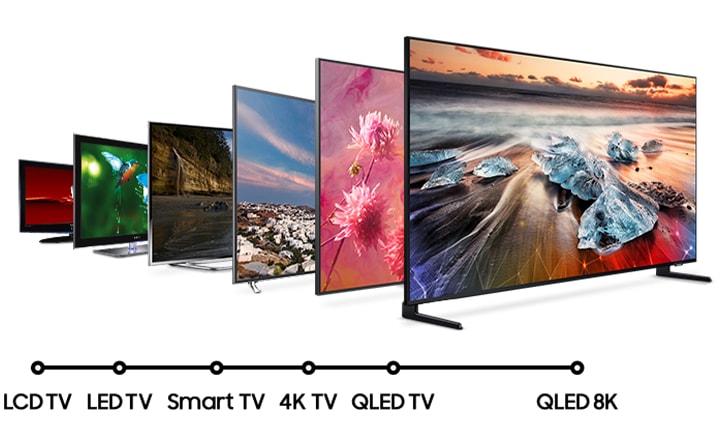
Not every TV uses the same display technology. Here’s a quick overview:
- OLED (Organic Light-Emitting Diode): Used by LG, Sony, Panasonic, and Philips. Offers perfect blacks, thin panels, best for dark rooms.
- QLED (Quantum Dot LED): Samsung’s specialty. Very bright, good for sunny rooms, long lifespan.
- Mini-LED: Used by Samsung, TCL, Hisense. Improved contrast and brightness over standard LED.
- ULED: Hisense’s marketing for their advanced LED technology.
- Ambilight: Unique to Philips, surrounds your TV with colored light.
Non-obvious insight: Many buyers mix up QLED and OLED. QLED is a form of LED with better color, but only OLED can turn off individual pixels for perfect black.
How Tv Brands Rank In Reliability And Support
A great TV isn’t just about specs. Reliability matters too. Here’s how brands rank in long-term satisfaction and customer service:
| Brand | Reliability | Customer Support | Warranty |
|---|---|---|---|
| Samsung | Very Good | Good | 1 year, extendable |
| LG | Excellent | Very Good | 1 year, OLED panels often longer |
| Sony | Excellent | Good | 1 year |
| TCL | Good | Average | 1 year |
| Hisense | Good | Average | 1 year |
Practical tip: Always check warranty terms before buying. Some brands offer free panel replacement for OLED burn-in, but only on premium models.
Common Mistakes When Choosing A Tv Brand
Many buyers make simple mistakes that lead to regret later. Watch out for these:
- Only looking at price: The cheapest TV can cost more in the long run if it breaks early or is frustrating to use.
- Ignoring room lighting: Bright rooms need QLED or Mini-LED, not OLED.
- Focusing on size, not quality: A bigger screen is not always better if the picture is poor.
- Missing software support: Older or cheaper brands may not update apps, causing streaming problems.
- Overlooking sound: Thin TVs often have weak speakers. Budget for a soundbar if audio matters.
Non-obvious insight: Some stores show TVs on “vivid” mode, which looks good in the shop but unnatural at home. Always ask to see the TV in “movie” or “cinema” mode.
User Reviews And Real-world Satisfaction
Brand reputation is important, but actual user reviews reveal long-term strengths and weaknesses. Here’s what buyers say after months of use:
- Samsung: Most users praise the bright, colorful screens and fast smart TV. Some report issues with app crashes or slow updates after a year.
- LG: Owners love the perfect blacks and smooth gaming. A few report OLED burn-in, but it’s rare with new models.
- Sony: Highest marks for natural color and motion. Some users find setup confusing, and Google TV can lag with updates.
- TCL/Hisense: Buyers enjoy great value. Complaints focus on remote controls, software glitches, or uneven backlighting on cheaper models.
- Vizio: Users like the price and picture, but SmartCast software can freeze or lag, especially on older TVs.
Example: A family who bought a TCL 6-Series notes, “We paid half as much as a Sony and got 90% of the quality. But the remote broke in six months.”

Brand Innovations: What Sets Each Apart
Brands compete by adding unique features. Here are some standouts:
- Samsung’s The Frame: Looks like artwork when not in use.
- LG’s Evo OLED: Brighter OLED panels for sunny rooms.
- Sony’s Acoustic Surface: The screen itself vibrates as a speaker.
- Philips Ambilight: Lights up your wall with colors matching the picture.
- TCL’s Mini-LED: Affordable high contrast for everyone.
Practical tip: Don’t pay for features you won’t use. For example, Ambilight is fun but only matters if your TV is near a wall.
Sustainability And Energy Efficiency By Brand
More buyers now care about eco-friendly TVs. Some brands lead in this area:
- Samsung and LG use recycled plastics in TV cases.
- Sony focuses on energy-saving processors.
- Philips promotes low-power OLED models.
But energy savings are still modest for large screens. The biggest impact comes from turning down brightness and using eco modes.
Example: Switching from “Vivid” to “Eco” mode can cut power use by 20–30%.
Where To Buy: Official Stores Vs. Retailers
Buying from an official store gives you the best warranty and support. Retailers often offer discounts but may have older models. Online reviews can help you spot issues like dead pixels or shipping damage.
Warning: Some online sellers offer “gray market” TVs—models not made for your country, with no warranty.
Future Trends: What’s Next For Tv Brands?
TV technology keeps changing. Here’s what to watch for:
- QD-OLED: Combines the strengths of QLED and OLED. Sony and Samsung lead here.
- 8K resolution: Still rare, but more brands are adding 8K TVs.
- Better software: Faster updates, voice assistants, smarter recommendations.
- More eco-friendly: Recycled materials, lower power use.
But remember, newer isn’t always better for everyone. Most people get the best value by buying last year’s top model at a discount.
Which Brand Is Best For Television? Final Thoughts
No single TV brand is perfect for everyone. If you want the absolute best picture and don’t mind paying more, LG and Sony lead with OLED and advanced processing. If you want bright, colorful screens and smart features for any room, Samsung is a safe pick. For those on a budget, TCL and Hisense deliver excellent value—especially in their mid-range and high-end models.
What matters most is matching the brand to your needs: room lighting, gaming, movie watching, or price. Look beyond flashy store demos and check real-world reviews. And remember, spending a little more on the right brand can save years of frustration.
For deeper specs and global TV rankings, you can check the latest reviews at RTINGS.com.
Frequently Asked Questions
What Is The Best Tv Brand For Gaming?
LG and Samsung are top picks for gaming. LG’s OLED models (like the C3 or G3) have fast response times, HDMI 2.1 support, and low input lag. Samsung’s high-end QLEDs also support 120Hz refresh rates and variable refresh rate (VRR). TCL and Hisense mid-range models are good budget options for casual gaming.
Are Oled Tvs Better Than Qled Tvs?
OLED TVs (mainly from LG and Sony) offer perfect black levels and better contrast for movies, especially in dark rooms. QLED TVs (mainly from Samsung) are much brighter and better for sunny rooms. For most viewers, OLED is best for picture quality, but QLED wins for durability and brightness.
Is It Safe To Buy Cheaper Tv Brands Like Tcl Or Hisense?
Yes, TCL and Hisense offer strong value, especially in their mid- and high-end lines. Their picture quality and smart features rival more expensive brands. However, entry-level models may have weaker build quality or fewer software updates. Check user reviews before buying.
How Long Do Tvs From Top Brands Usually Last?
Modern TVs from brands like Samsung, LG, and Sony last about 6–8 years with normal use. OLED TVs can experience “burn-in” if the same image stays on screen for hours every day, but this is rare with casual use. Keeping brightness moderate and using screen savers helps any TV last longer.
Which Tv Brand Has The Best Smart Tv System?
LG’s webOS and Sony’s Google TV are fast, simple, and support most streaming apps. Samsung’s Tizen is also good, but some users find it less intuitive. TCL’s Roku TVs are the easiest for non-technical users. Each system has strengths, so try them in-store if possible.