
Taking care of your car means more than just regular washes or oil changes. The inside matters too, especially if you have neoprene seat covers. These covers are popular for a reason: they’re durable, water-resistant, and comfortable. But to keep them looking and feeling new, you need to know how to clean neoprene seat covers the right way. Many people make mistakes that damage the material or shorten its life. If you want your seat covers to stay fresh, avoid odors, and keep their color, this guide will help you get the job done—step by step.
What Makes Neoprene Different?
Neoprene is not like cloth or leather. It’s a synthetic rubber used in wetsuits, medical braces, and, of course, car seat covers. This material is known for being:
- Water-resistant: Liquids bead up on the surface.
- Flexible and soft: Comfortable for long drives.
- Resistant to UV and heat: Won’t fade as quickly as some fabrics.
However, neoprene can trap sweat, dirt, and spills inside its pores. If not cleaned properly, seat covers may develop bad smells, fade, or even crack over time. Standard cleaning methods for fabric or leather can actually harm neoprene.
Why Regular Cleaning Matters
Keeping neoprene seat covers clean isn’t just about looks. Here’s why it’s important:
- Hygiene: Dirt, sweat, and bacteria build up over time.
- Odor prevention: Moisture trapped inside neoprene can smell bad.
- Longer life: Regular, gentle cleaning prevents cracking and fading.
- Allergy reduction: Dust mites and pollen can settle on the covers.
Neglecting regular care means you might need to replace your seat covers sooner, and your car could feel less inviting. In fact, studies show that surfaces touched often—like car seats—can hold up to 400 times more bacteria than a public toilet seat!
Supplies You Need For Cleaning Neoprene Seat Covers
Before you start, gather the right tools. Using the wrong products can damage neoprene. Here’s what you need:
- Mild liquid detergent (no bleach or fabric softener)
- Cold or lukewarm water (hot water can warp neoprene)
- Soft-bristle brush or microfiber cloth
- Spray bottle (optional, for even application)
- Clean towels
- Vacuum cleaner with a soft brush attachment
Do not use harsh chemicals, solvents, or abrasive pads. These can break down neoprene’s rubbery surface and cause it to lose shape or become brittle.
Step-by-step Guide: How To Clean Neoprene Seat Covers
Cleaning neoprene seat covers is simple if you follow a careful process. Here’s how to get the best results:
Step 1: Remove Loose Debris
Begin by vacuuming the seat covers with a soft brush attachment. This removes dust, crumbs, pet hair, and loose dirt. Pay close attention to seams and crevices where debris gathers.
Step 2: Prepare A Cleaning Solution
Mix a small amount of mild liquid detergent with cold or lukewarm water. A good ratio is one teaspoon of detergent per quart (about a liter) of water. For spot cleaning, pour the solution into a spray bottle for easy use.
Step 3: Test A Small Area
Before cleaning the entire seat, test your solution on a hidden spot. Wait a few minutes to see if it causes any discoloration or damage. If everything looks normal, continue.
Step 4: Wipe Down The Covers
Dip a soft-bristle brush or microfiber cloth in the cleaning solution. Gently wipe the seat covers using small circular motions. For stubborn spots, let the solution sit for 2-3 minutes before scrubbing gently. Do not soak the covers—neoprene absorbs water slowly, and too much moisture can lead to mildew.
Step 5: Rinse Carefully
Use a clean, damp cloth to wipe away any soap residue. Rinse the cloth often in fresh water. Leaving soap on the covers can cause stickiness or attract more dirt.
Step 6: Dry Properly
Pat the covers with a clean towel to remove excess moisture. Let them air dry completely before using the car. Do not use a hairdryer or heater—direct heat can damage neoprene. If possible, open car doors or windows to speed up drying.
Pro tip: If you notice a musty smell after cleaning, place a small bowl of baking soda in the car overnight. This helps absorb any remaining odors.

How Often Should You Clean Neoprene Seat Covers?
There’s no one-size-fits-all answer. How often you clean depends on use, environment, and personal needs. Here’s a general guideline:
| Usage | Recommended Cleaning Frequency |
|---|---|
| Everyday commuting | Once every 1-2 months |
| Outdoor activities (sports, beach, pets) | Every 2-3 weeks |
| Rare use | Every 3-4 months |
| Spills or stains | Clean immediately |
Keep in mind, quick spot cleaning after a spill or sweaty workout will prevent long-term damage.
Dealing With Common Stains And Odors
Neoprene is tough, but not stain-proof. Here’s how to handle some common problems:
Sweat And Body Oils
Over time, sweat and oils can cause yellowing or odors. Mix a small amount of white vinegar with water (1:4 ratio) and dab the area. Vinegar helps remove smells and break down oils. Always rinse with a damp cloth afterward to remove any vinegar residue.
Food And Drink Spills
Blot up liquids quickly with a towel. For sticky spots, use your mild detergent solution. Avoid scrubbing too hard, as this can push stains deeper.
Mud And Dirt
Let mud dry completely, then brush off as much as possible. Use your cleaning solution to remove the rest. Avoid soaking the area, since excess water can seep in.
Pet Hair And Odor
Vacuum first to remove hair. For odor, sprinkle a small amount of baking soda on the covers, let sit for 15 minutes, then vacuum again.
Mold Or Mildew
If covers smell musty or you see black spots, act fast. Mix a teaspoon of hydrogen peroxide with a cup of water and dab on the spot. Do not soak. Rinse and dry thoroughly in a well-ventilated area.
Hidden insight: Many people forget to clean under the seat covers. Dirt and moisture trapped underneath can cause problems. Remove the covers every few months and clean both sides.
Deep Cleaning: When And How To Do It
Sometimes, regular cleaning is not enough. If your covers have stubborn stains, heavy odors, or have not been cleaned for a long time, a deep clean is needed.
Removing The Seat Covers
Most neoprene covers are designed to be removable. Check your car manual or the product’s instructions for safe removal. Take care not to stretch or tear the seams.
Hand Wash Only
Fill a bathtub or large basin with cold or lukewarm water. Add a small amount of mild detergent. Submerge the covers and agitate gently with your hands. Avoid wringing or twisting, as this can damage the material.
Rinse Well
Drain the soapy water and rinse the covers several times with clean water. Ensure all soap is removed, as residue can make the covers sticky and attract dirt.
Air Dry Completely
Lay the covers flat on a clean towel or hang them in a shaded area. Do not expose them to direct sunlight for long periods—UV rays can fade neoprene. Wait until they are fully dry before putting them back on the seats.
Reinstall Carefully
Fit the covers back onto the seats, making sure seams and openings line up. Take your time to avoid stretching or tearing.
Non-obvious tip: Never put neoprene seat covers in a washing machine or dryer. Even on a gentle cycle, the agitation and heat can cause irreparable damage.
What To Avoid When Cleaning Neoprene Seat Covers
Certain actions and products can ruin your covers. Here’s what to steer clear of:
- Bleach or harsh chemicals: These break down neoprene fibers and cause fading.
- Hot water: Can shrink or warp the material.
- Abrasive brushes or pads: Scratch the surface and weaken the structure.
- High heat: Direct sunlight for hours, hairdryers, or heaters can cause cracking and fading.
- Ironing: Never attempt to iron neoprene—heat will damage it instantly.
- Steam cleaners: Too intense for neoprene and can cause separation of layers.
Here’s a quick comparison of safe vs. unsafe cleaning products for neoprene:
| Product | Safe for Neoprene? | Comments |
|---|---|---|
| Mild liquid detergent | Yes | Best for regular cleaning |
| Bleach | No | Causes fading and weakness |
| Vinegar (diluted) | Yes | Good for odors, rinse after |
| Ammonia or solvents | No | Can melt or damage neoprene |
| Fabric softener | No | Leaves sticky residue |
| Baking soda | Yes | Great for deodorizing |
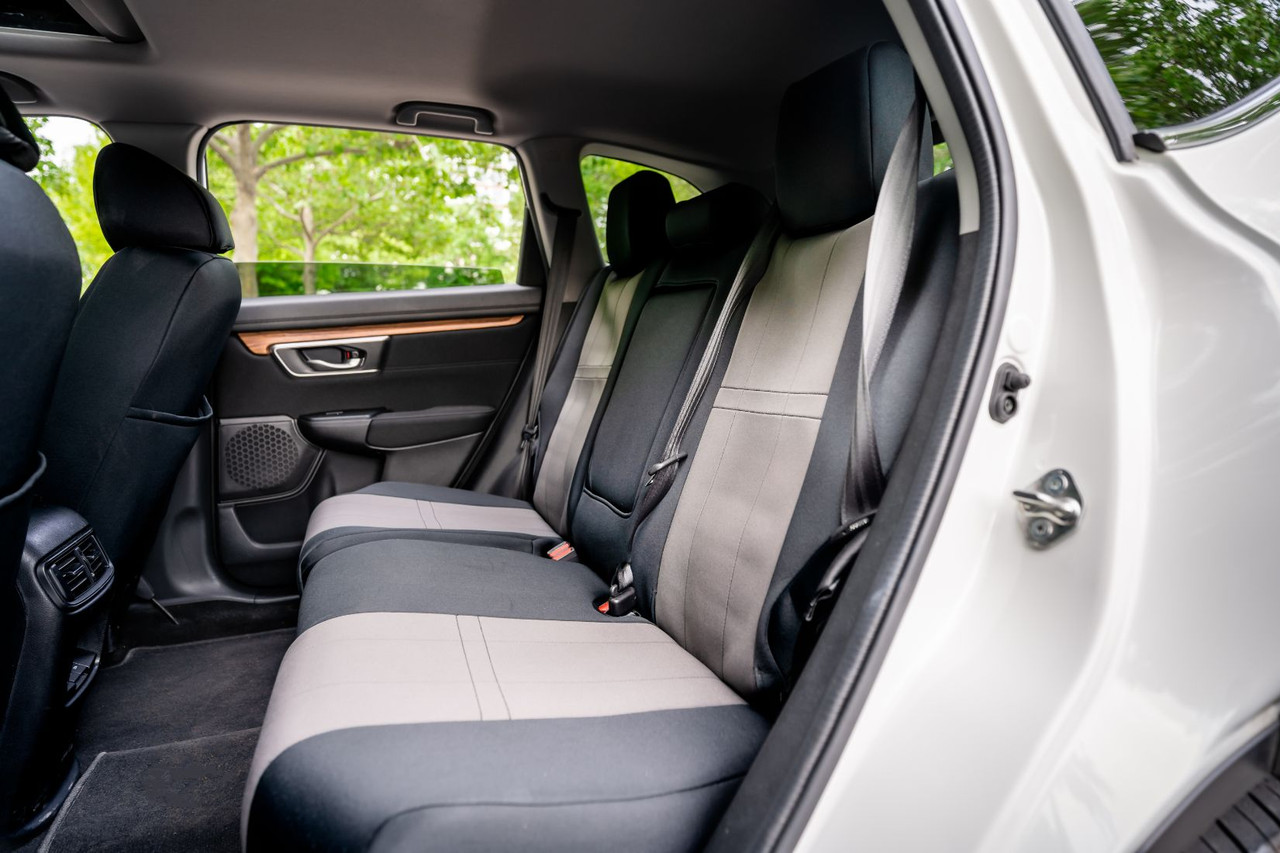
Protecting Neoprene Seat Covers Between Cleans
Prevention is better than cure. To keep neoprene covers clean for longer:
- Wipe up spills immediately to prevent stains.
- Avoid eating messy foods in the car.
- Shake off dirt and sand before getting in, especially after outdoor activities.
- Keep pets on a blanket or pet seat cover.
- Air out the car regularly to reduce moisture buildup.
- Use a UV-protectant spray (designed for neoprene) to slow down fading.
- Remove covers every few months and clean both sides, including the seat underneath.
Extra insight: If you live in a humid climate, consider leaving windows slightly open (when safe) to reduce moisture buildup inside your car.
How Neoprene Compares To Other Seat Cover Materials
Choosing neoprene is smart, but how does it stack up to other materials when it comes to cleaning and care? Here’s a comparison:
| Material | Cleaning Difficulty | Stain Resistance | Water Resistance | Comfort |
|---|---|---|---|---|
| Neoprene | Easy (with right method) | High | High | Soft and flexible |
| Fabric/cloth | Moderate | Medium | Low | Soft but absorbs spills |
| Leather | Moderate to hard | Medium | Medium | Cool, can crack or dry out |
| Vinyl | Easy | High | Very high | Less comfortable |
Neoprene stands out for easy, regular cleaning—if you stick to the right process.
Common Mistakes Beginners Make
Even with the best intentions, it’s easy to make mistakes when cleaning neoprene seat covers. Here are some common errors and how to avoid them:
- Using too much water: Soaking neoprene can lead to mold and mildew.
- Scrubbing aggressively: This can scratch and weaken the surface.
- Skipping spot tests: Always test new cleaners on a hidden area first.
- Not rinsing soap completely: Leftover detergent attracts dirt and feels sticky.
- Drying in direct sunlight: Fades color and damages the material.
- Ignoring the underside: Dirt and moisture can build up underneath the covers.
- Not cleaning often enough: Regular light cleaning is easier than deep cleaning neglected covers.
- Using household cleaners: Many contain chemicals that harm neoprene.
- Forgetting to dry thoroughly: Damp covers can develop odors and mold.
Helpful advice: If you’re not sure about a cleaning method or product, check your seat cover manufacturer’s recommendations or contact customer support.
Choosing The Right Neoprene Seat Covers For Easy Cleaning
If you’re still shopping for seat covers, pay attention to features that make cleaning easier:
- Removable and machine-washable liners: Some covers have a fabric layer you can remove and wash.
- Color and pattern: Darker colors hide stains better, but may show dust.
- Custom fit: Covers that fit snugly are less likely to trap debris underneath.
- Stitching and seams: Fewer seams mean fewer places for dirt to collect.
Avoid covers with glued-on decorations or heavy embroidery, as these are harder to clean and may get damaged during washing.
Extending The Life Of Neoprene Seat Covers
A little extra care goes a long way. Here’s how to make your covers last:
- Clean regularly using the right methods.
- Protect from UV rays with window shades or UV sprays.
- Store unused covers flat, not folded, to avoid creases.
- Handle with care when removing or replacing.
- Rotate covers if you have extras, especially after deep cleaning.
If you spot any small tears, fix them quickly with neoprene repair glue to prevent them from spreading.
The Environmental Side: Neoprene Care And Sustainability
Neoprene is not biodegradable, so keeping your covers in good condition helps reduce waste. Replacing covers less often means less landfill. Some brands now offer eco-friendly neoprene made from limestone instead of petroleum, which is better for the environment.
When your covers reach the end of their life, check if local recycling centers accept neoprene, or repurpose the material for home projects (like garden kneeling pads or tool covers).
For more on how neoprene is made and recycled, see the Wikipedia entry on Neoprene.
Frequently Asked Questions
How Do I Remove Bad Smells From Neoprene Seat Covers?
Sprinkle baking soda on the covers and let it sit for 15-30 minutes, then vacuum. For stronger odors, mix a small amount of white vinegar with water and dab on the area. Always rinse and dry thoroughly.
Can I Put Neoprene Seat Covers In The Washing Machine?
No. Washing machines can damage neoprene’s structure. Always hand wash with mild detergent and cold or lukewarm water.
What Should I Do If My Neoprene Seat Covers Get Moldy?
Act quickly. Wipe the area with a mixture of hydrogen peroxide and water (1 teaspoon per cup). Rinse and dry in a well-ventilated, shaded space. Avoid soaking the material.
Will Sunlight Damage My Neoprene Seat Covers?
Long-term direct sunlight can fade colors and dry out neoprene. Park in the shade, use sunshades, or treat with a UV-protectant spray to reduce damage.
How Can I Make My Neoprene Seat Covers Last Longer?
Clean regularly, avoid harsh chemicals, dry thoroughly after cleaning, and protect from sunlight. Handle carefully when removing or installing, and repair small tears quickly with neoprene glue.
Taking care of neoprene seat covers is simple if you follow the right steps and use the right products. Regular gentle cleaning keeps them fresh, prevents odors, and extends their life, giving your car’s interior a comfortable and attractive look for years to come. With the right habits, your seat covers can handle everything from muddy pets to sweaty workouts—staying clean, safe, and stylish.
One Response