
Discover a comprehensive overview of the 1999 Ford Expedition fuse box diagram. Learn the locations, functions, and specifications of each fuse to troubleshoot and maintain your vehicle efficiently.
What is a Fuse Box?
A fuse box, also known as a fuse panel, is an essential component in the electrical system of a building or vehicle. It serves as a central hub where the electrical circuits are connected and protected. Each circuit in the system is linked to a fuse or circuit breaker within the fuse box. The primary function of the fuses or circuit breakers is to protect the electrical circuitry from damage by interrupting the flow of electricity in case of an overload or short circuit. This safety mechanism helps prevent electrical fires and other hazards.
In buildings, the fuse box is usually a metal box installed in a convenient location, such as a garage, basement, or utility room. It contains a series of fuses or circuit breakers that are wired to different parts of the building. Each fuse is designed to carry a specific current rating, and when the current flowing through a circuit exceeds this rating, the fuse will blow (melt), breaking the circuit and stopping the flow of electricity. Modern buildings often use circuit breakers instead of fuses, which serve the same purpose but can be reset rather than replaced after tripping.
In vehicles, the fuse box is typically a compact unit located under the dashboard or near the engine bay. It contains fuses that protect the vehicle’s electrical components and wiring. Similar to those in buildings, these fuses are designed to blow and interrupt the circuit if the current exceeds safe levels, protecting against electrical problems.
Overall, the fuse box plays a critical role in electrical safety, ensuring that circuits are not overloaded and reducing the risk of electrical fires and damage to electrical devices and wiring.
Credit: www.amazon.com
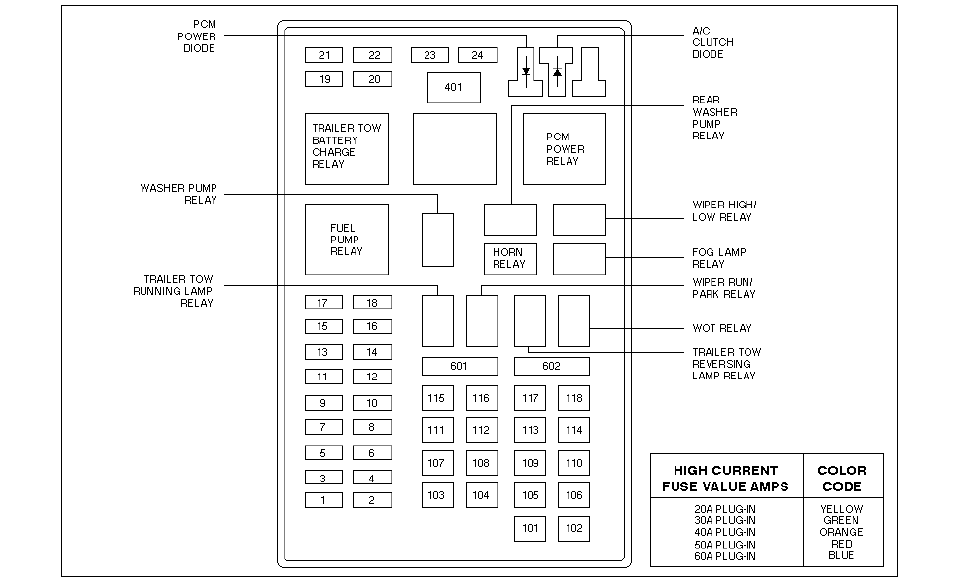
Functions of High-Capacity Fuses:
- Protection of Electrical Systems: They protect the vehicle’s main electrical systems from overloads by breaking the circuit if the current exceeds a certain threshold, preventing potential damage to wiring and components.
- Battery and Alternator Protection: High-capacity fuses are used between the battery and the alternator to protect the charging system. Should a fault occur, such as an overcharge or short circuit, the fuse will blow to protect the alternator and battery.
- Power Distribution Protection: They are crucial in power distribution boxes, where they safeguard the primary circuits distributing power to various vehicle systems. This includes the ignition system, fuel pump, engine fan, and more.
- Starter Motor Circuit Protection: These fuses can also protect the starter motor circuit, ensuring that excessive current does not damage the starter motor or associated wiring.
- Accessory Circuits Protection: For vehicles with high-power accessories, such as audio systems, winches, or auxiliary lights, high-capacity fuses protect these circuits from drawing too much power and overheating.
Types of High-Capacity Fuses:
- Mega Fuses: Used for very high current applications, often found in the main fuse box connected directly to the battery. They can handle currents up to several hundred amperes.
- Maxi Fuses: Slightly smaller than mega fuses, maxi fuses are used for high-current circuits. They are commonly found in the engine compartment’s fuse box.
- ANL Fuses: Type of blade fuse used in high-current applications, offering a compact design and easy inspection of fuse condition.
- PAL Fuses: A type of cartridge fuse used in automotive applications, available in different configurations for varying current ratings.
Example Applications:
- Vehicles: Protecting high-current circuits such as the main charging system, electric vehicle power systems, and high-power audio systems.
- Marine Applications: Safeguarding electrical systems on boats where high-current circuits are common for navigation, lighting, and other marine equipment.
- Renewable Energy Systems: In solar panel installations or wind turbines, high-capacity fuses protect against over currents that can occur in power collection and distribution systems.
Lighting and Electrical Components
- LED, Incandescent, and Fluorescent Bulbs: Various types of light bulbs used in residential lighting fixtures.
- Smart Lighting Systems: Allow users to control lighting remotely or through automated settings, enhancing convenience and energy efficiency.
Electrical Components:
- Circuit Breakers and Fuses: Protect home electrical circuits from overload or short circuits.
- Outlets and Switches: Interface for connecting electrical devices and controlling their operation.
- Wiring Systems: Include cables and conduits that distribute electrical power throughout the home.
In Industrial Settings
Lighting Components:
- High Bay Lighting: Used in warehouses and industrial facilities to illuminate large areas from high ceilings.
- Emergency Lighting: Ensures visibility and safety during power outages or emergencies.
Electrical Components:
- Transformers: Change the voltage of electricity to higher or lower levels for industrial use.
- Motor Controls: Start, stop, and control the operation of electric motors.
- PLCs (Programmable Logic Controllers): Automate industrial processes by controlling machinery and equipment.
General Components
Switches and Dimmers: Allow manual control over the brightness of lights and power to electrical devices. Sensors: Detect movement, light levels, or other environmental factors to automatically control lighting or electrical devices. Connectors and Terminals: Ensure reliable connections between wires and components.
Credit: www.justanswer.com
Engine Compartment Fuse Box
- Fuse 1: Powertrain Control Module (PCM)
- Fuse 2: Alternator
- Fuse 3: Fuel Injector, Ignition Coils
- Fuse 4: Headlamp Switch, Interior Lights
- Fuse 5: OBD-II Scan Port
- Fuse 6: Cruise Control Module
- Fuse 7: A/C Compressor Clutch
- Fuse 8: Horn, Brake Lamps
Passenger Compartment Fuse Box
- Fuse 9: Radio, CD Player
- Fuse 10: Instrument Cluster, Airbag Module
- Fuse 11: Power Window Motors, Power Mirrors
- Fuse 12: Door Locks, Alarm System
- Fuse 13: Cigarette Lighter, OBD-II Scan Port
- Fuse 14: Overhead Console, GPS Module
- Fuse 15: Seat Heaters, Power Seats
- Fuse 16: Interior Lights, Glove Box Lamp
Credit: www.fuse-box.info
Additional Notes:
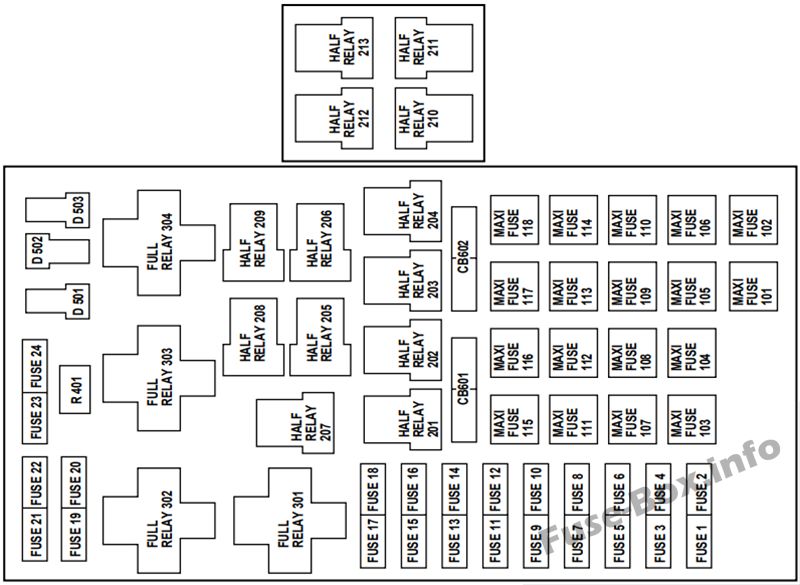
- Relays: Identified by function (e.g., Starter Relay, A/C Relay) and typically found in the engine compartment fuse box.
- Circuit Breakers: May be used for systems requiring automatic resetting, such as power seats or windows.
Frequently Asked Questions (FAQs) of 1999 Ford Expedition Fuse Box Diagram
- What should I do if a fuse blows?
- Identify the blown fuse by its broken wire or darkened glass, replace it with one of the same amperage rating.
- Can I use a higher amperage fuse if the original one keeps blowing?
- No, always use the fuse of the specified amperage to prevent wiring damage or fire.
- Where can I find replacement fuses?
- Automotive stores carry fuses; ensure to match the type (mini, standard, maxi) and amperage.
- What if replacing a fuse doesn’t resolve the electrical issue?
- If a new fuse blows immediately or the issue persists, there may be a more significant electrical problem requiring professional diagnosis.
For accurate and detailed information regarding the fuse box diagram and specifications for your 1999 Ford Expedition, referring to the vehicle’s owner manual or a factory service manual is always the best approach. These resources provide precise information, including diagrams, fuse ratings, and the specific circuits each fuse protects, ensuring that you can safely and effectively troubleshoot electrical issues with your vehicle.